How Summer Heat, HVAC Systems, and Moisture Create Hidden Electrical Risks in Commercial Buildings
Summer heat and HVAC condensation quietly stress commercial electrical systems. See the hidden failure points engineers find and how to cut fire risk.


Contents
- Why Summer Places Unique Stress on Commercial Electrical Systems
- How HVAC Systems Become the Starting Point for Electrical Problems
- Why Moisture Makes Electrical Problems Worse
- What Forensic Engineers Look for After a Summer Electrical Failure
- Reducing Electrical Risk Before Peak Cooling Season
- Protect Your Facility Before Summer Exposes Hidden Problems
It seems like every summer brings new headlines about sweltering heat in cities ill-prepared for rising temperatures, and with that heat comes a seasonal spike in HVAC electrical problems. Earth’s temperature has risen by an average of 0.11° Fahrenheit (0.06° Celsius) per decade since 1850, and there aren’t many signs of it slowing down any time soon.
Project example: Arc Flash Study for a School Building Addition, Dripping Springs
A direct result of hotter months, when more kids are home from school, is increased use of HVAC systems. It’s perfectly natural for someone in San Antonio, Phoenix, or Del Mar to want to crank up the air conditioner on hotter days. What isn’t so great is when those same systems get overused in northern territories that typically don’t need more than a fan in the window.
Without proper electrical system evaluation, the placement and use of HVAC systems can quickly lead to electrical faults, potential fire hazards, and moisture seeping into both a home’s foundation and sensitive components around a commercial property.
Why Summer Places Unique Stress on Commercial Electrical Systems
Every electrical system in a building is designed for specific operating conditions. When summer hits, those assumptions change. The problem isn’t just HVAC. When commercial electricity use is projected to increase at a higher rate than residential use, the strain on local infrastructure becomes an issue.
The problem is from prolonged heat waves. That is when both commercial and residential systems are taxed the most. Air conditioners are switched on to a system already handling the load of lighting, computers, manufacturing equipment, refrigeration, elevators, and automation systems.
In the winter, heating systems cycle on and off throughout the day. In the summers, most air conditioning equipment operates for extended periods without the chance to rest. That sustained operation is the culprit. All that energy has to move through conductors operating at higher temperatures, electrical panels needing to dissipate heat, transformers carrying heavier loads, motors staying energized longer, and protective devices going through repeated cycles. What the heat does is expose problems that were likely already developing in hidden areas that were unnoticed before.
How HVAC Systems Become the Starting Point for Electrical Problems
The primary concerns in commercial HVAC electrical systems are load analysis and potential faults that can lead to fire damage. The larger size of rooftop package units or cooling towers with variable-frequency drives means numerous electrical components are all working in unison under increased summer heat load.
Over time, something like a disconnect switch experiencing wear or over-cycled contactors can cause a fault. Even aging insulation in some of these devices can become brittle after years of thermal cycling.
For example, you may have a rooftop HVAC unit on a local compounding pharmacy. July reaches scorching heats of 99-102 degrees with high humidity. The AC runs around the clock, but a feeder connection inside the rooftop disconnect has loosened over the years, and the maintenance team hasn’t noticed. As more resistance creates localized heating, the terminal damages nearby conductors, causing equipment to fail overnight. That fault ripples through the business, shutting down power and causing product loss.
Even though the electrical connection failed first, the result is still lost revenue, damaged business assets, and a higher risk of danger. We at Dreiym Engineering often get called in for electrical fire investigations that have much the same points of origin.
Why Moisture Makes Electrical Problems Worse
Another issue with HVACs running through the system is the risk of moisture. This is a factor most homeowners and property managers don’t consider when building. When an air conditioner operates, it naturally produces condensation. Many modern models have dehumidifying features that, under normal operation, drain condensate safely away from the equipment and the building. What happens when that isn’t the case?
An air conditioner can produce 5 to 20 gallons of water a day, and that’s at the residential level. Imagine how a commercial system must be properly maintained to avoid all that liquid causing clogged drain lines, damaged drain pans, deteriorated seals, or exposure to roofing and siding.
Water and electricity do not play well together. When an HVAC is improperly installed or hasn’t been inspected by forensic engineers and master electricians for years, the risk of equipment sending water where it doesn’t belong only grows. When it reaches energized components, there is a greater chance of:
- Metal terminals corroding
- Protective coatings deteriorating
- Electrical resistance increasing
- Insulation breaking down faster
- Connections becoming less reliable
Corrosion, in particular, is a danger, as it develops slowly until a unique combination of high heat, greater electrical load, and environmental exposure creates a recipe for unexpected failure months or even years after a hot summer. Before you flip on that HVAC system, be sure you’ve had an electrical system evaluation and that all moisture-related activities have a place to go, hopefully away from your building.
What Forensic Engineers Look for After a Summer Electrical Failure
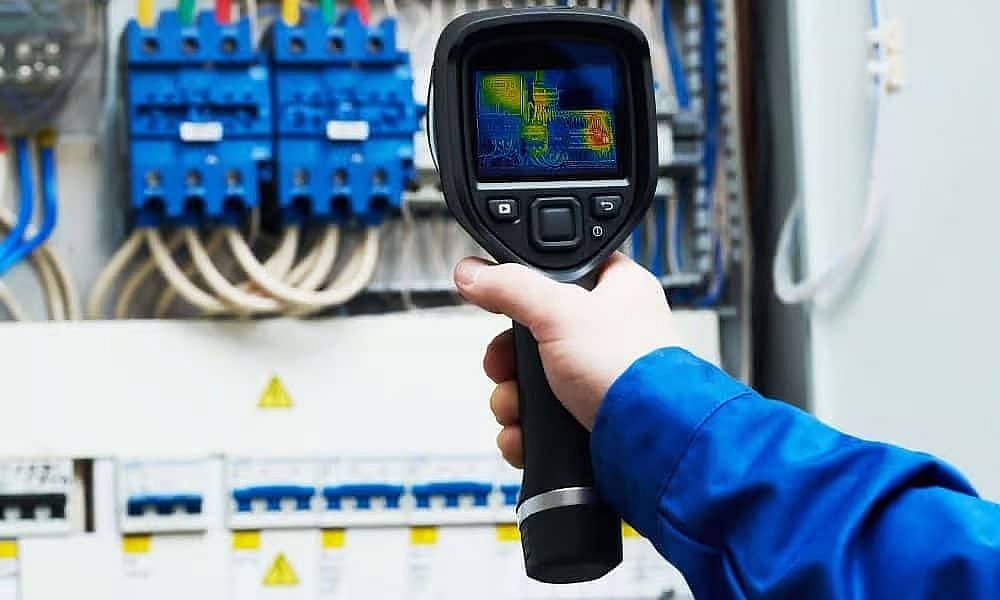
In the event of an electrical fire investigation or a simple electrical failure, forensic engineers are called in to both restore power and diagnose the cause. Reconstructing the sequence of events helps uncover the root cause of the situation so the contributing factors can be mitigated in the future, insurance companies can be notified, and repairs can begin as quickly as possible.
The electrical distribution systems on which the HVAC system was running are crucial. Plenty of homeowners put window units on systems not rated to handle such operating loads. Commercial buildings forget to ensure that grounding systems are in place so all refrigeration and HVAC units remain functional.
Engineers are also helpful at finding those issues that would otherwise go unnoticed. They can examine rooftop disconnects or water intruding into conduit systems by using specialized equipment that a typical handyman may not have or know how to use properly. Forensic engineers can research historical information, maintenance records, infrared reports, and previous breaker trips to determine that the chances of “fry an egg on the sidewalk” summers causing a fault are greatly reduced.
Reducing Electrical Risk Before Peak Cooling Season
The building maintenance team for your commercial site or rental unit can also help. Doing a few minor tasks before heading into the summer season goes a long way toward both reducing electrical and moisture risks and extending the system’s usable lifespan. Those include:
- Scheduling an electrical load analysis that includes grounding evaluations and inspecting the electrical panels.
- Tightening any wiring connections so the vibration of the compressor doesn’t loosen, leading to arcing and melted wires.
- Test capacitors for the start/run systems, as those cycle frequently during hotter days.
- Making sure the electrical disconnect box switch is accessible and functioning so condensate doesn’t block operation.
- Installing surge protectors around the single unit, large system, or whole-house in the breaker box.
- Clearing any outdoor units of overgrown weeds, bushes, algae, mold, and clogged drainage.
It’s also a good idea to keep the owner’s manual for any HVAC unit or system you install handy. Having a folder in your file cabinet that you can reference or looking up the OEM guide online provides maintenance and safety information, helping you avoid electrical faults or moisture exposure.
Protect Your Facility Before Summer Exposes Hidden Problems
Summer should be a time of grilled hot dogs, park picnics, and swimming hole adventures, not dangerous electrical fires or expensive HVAC units wreaking havoc on your home, business, or industrial sites. Do your best to perform maintenance before the heat wave settles in. You’ll lower your risk and extend the use of your core HVAC systems.
For more information, contact our licensed electrical engineers at Dreiym Engineering. We can help at every stage of HVAC system involvement, from electrical load analysis to electrical fire investigation. If you are planning to expand your facility or need to investigate recurring problems, our engineers can give you the answers for a safer, more comfortable summer.