Consulting Areas
Electrical and Power Engineering Services
We typically respond within one business day.
Practice at a glanceDE-ELEC
- Lead
- Brian J. Brackensick, M.S., P.E.
- Field data
- Ruben A. Rodriguez
- Software
- ETAP® and SKM
- Training
- IEEE 1584-2018, NFPA 70E®
- Scope
- Low and medium voltage, systems above 15 kV, DC arc flash for battery, UPS and PV
One-line explorer
Select a bus to see what the study finds there
The same model gives short circuit, coordination and arc flash results, so the numbers agree from bus to bus.
FLASH PROTECTION
SHOCK PROTECTION
Hover over, tap or tab to any line of the label to see what it means.
Above 40 cal/cm² no arc-rated PPE category applies. De-energize before work.
With the main breaker on its 0.5 s short-time delay, MSB is above 40 cal/cm².
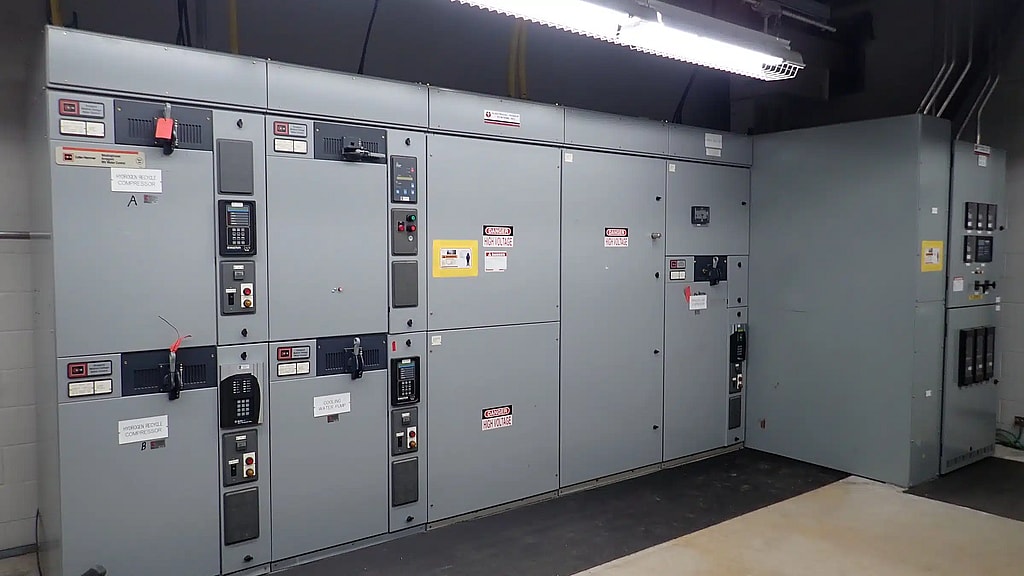
Electrical Power Studies, Design and Testing
Electrical engineering services for safe, code-compliant power systems
Dreiym Engineering’s electrical and power engineering services help owners keep power systems safe, reliable and compliant. We perform arc flash, short circuit, protective device coordination and load studies, design electrical systems, and test grounding and equipment in the field, for industrial and commercial facilities, utilities and homeowners. Studies are modeled in ETAP and SKM, and reports are PE-stamped where required.
Our arc flash work is led by Brian J. Brackensick, P.E.
Arc flash study services
We do arc flash studies for industrial and commercial facilities and for utilities, including DC systems such as batteries, UPS and PV, and systems above 15 kV. Each study includes an IEEE 1584-2018, IEEE Guide for Performing Arc-Flash Hazard CalculationsThe calculation method behind most arc flash studies. The 2018 edition replaced the 2002 model with one based on many more arc tests. It covers three-phase AC systems from 208 V to 15 kV and accounts for how the conductors are arranged in the enclosure.Plain-language summary, not the standard’s wording.See the glossary incident energy analysis, and we print and install the labels or ship them to you. One example is our recurring arc flash and coordination study program in Greater Houston. We also train electrical workers on IEEE 1584-2018 and NFPA 70E, Standard for Electrical Safety in the Workplace, 2024 editionThe consensus standard US employers use to protect workers from shock and arc flash. It covers the electrical safety program, risk assessments, approach boundaries, choosing PPE, and when equipment must be put in an electrically safe work condition.Plain-language summary, not the standard’s wording.See the glossary.
Contact us for a free quote. We typically respond within one business day.
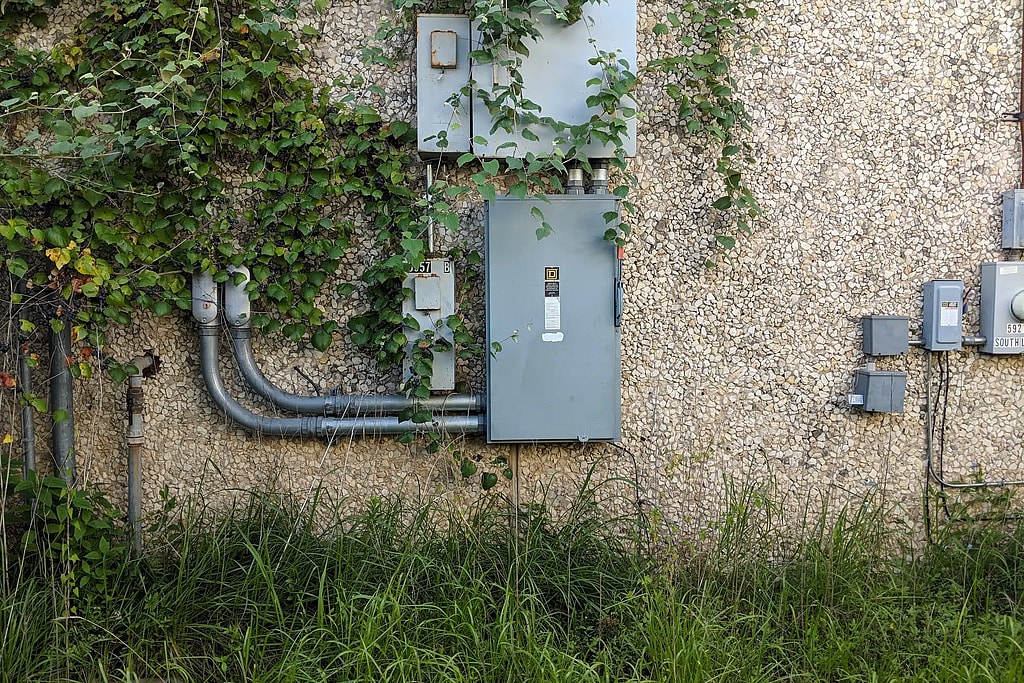
Safety switches on an exterior wall
Electrical and Power Design Services
We design electrical systems for new construction, expansions and upgrades, and produce the documents permitting and construction need:
- Single-line diagrams, panel schedules, layout drawings, installation details and elevations
- Specifications, basis of design documents and system descriptions
- Residential, commercial and industrial projects, PE-stamped where required
For a quick check of one feeder or branch circuit, see our voltage drop calculator and conduit fill calculator.
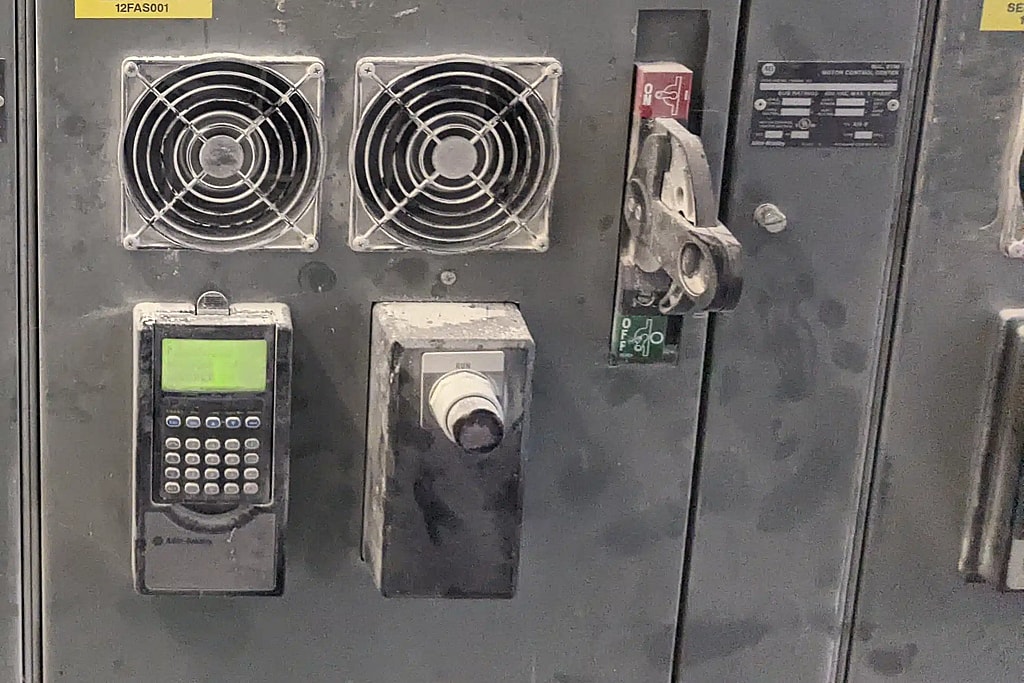
Motor control center with drives
Arc Flash, Short Circuit and Coordination Studies
OSHA requires employers to protect workers from electrical hazards, and NFPA 70E sets out how: an arc flash risk assessment, labels and the right PPE. An arc flash happens when current jumps through the air between conductors or to ground, often set off by a dropped tool, failed insulation or contamination, and it releases intense heat, light and pressure in a fraction of a second.
The studies behind an electrical safety program build on each other:
- Short circuit studies calculate the The most current that could flow at a point in the system during a short circuit, set by the utility source, transformers, cables and running motors. Equipment there must be rated to interrupt or withstand it.See the glossary at each piece of equipment and check that breakers, fuses and gear are rated to interrupt or withstand it.
- Protective device coordination sets breaker, fuse and relay settings, including medium-voltage relay settings, so the device closest to a fault trips first. Where the NEC requires Coordination that holds for every overcurrent up to the available fault current, so only the device protecting the faulted circuit opens. The NEC requires it for emergency, legally required standby and critical operations power systems and some elevator circuits.See the glossary, we prepare the documentation for the AHJ.
- Arc flash studies use those results to calculate incident energy and The distance from a possible arc at which the incident energy falls to 1.2 cal/cm², about where a second-degree burn to bare skin can begin. Anyone closer needs arc-rated PPE (NFPA 70E).See the glossary, and recommend changes that lower the hazard.
For a first look at one piece of equipment, try our free available fault current calculator and arc flash calculator. Both give screening estimates; equipment ratings and labels need a study.
New to arc flash? Our arc flash guide puts our articles, calculators and services in the order to read them.
Our Electrical Engineering Services
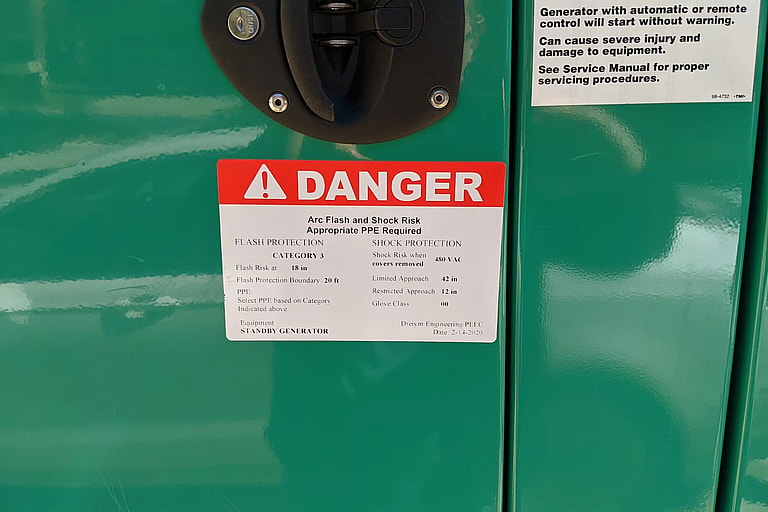
Arc Flash Studies
Learn more →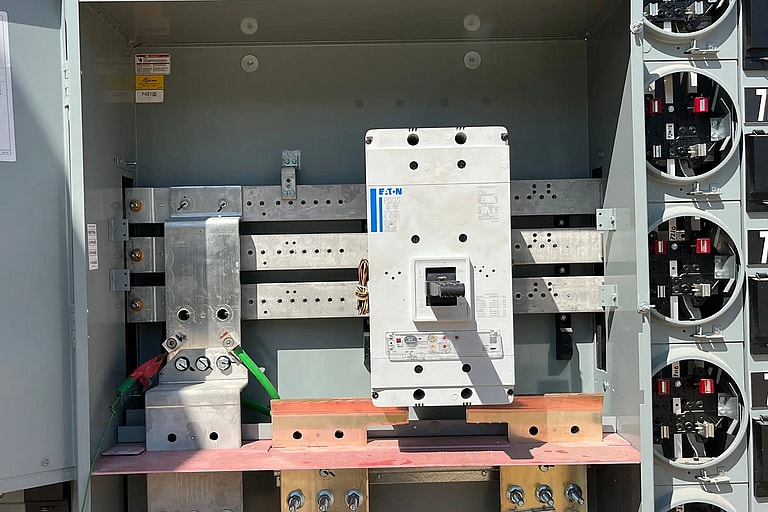
Design Services
Learn more →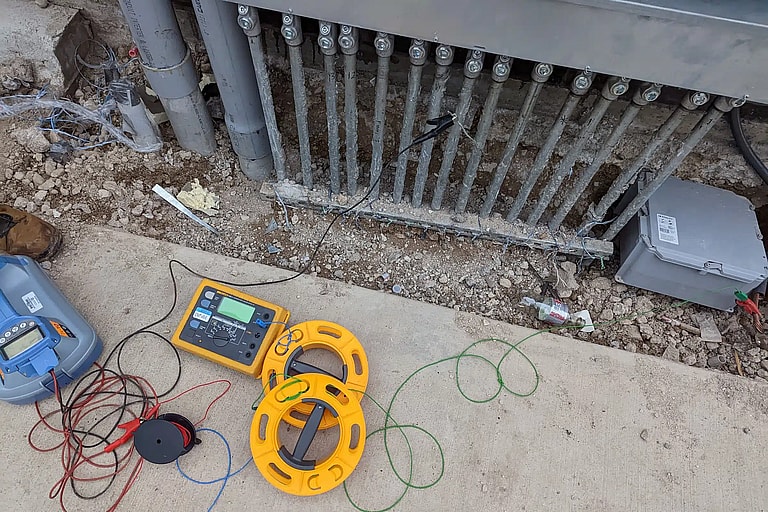
Grounding System Tests
Learn more →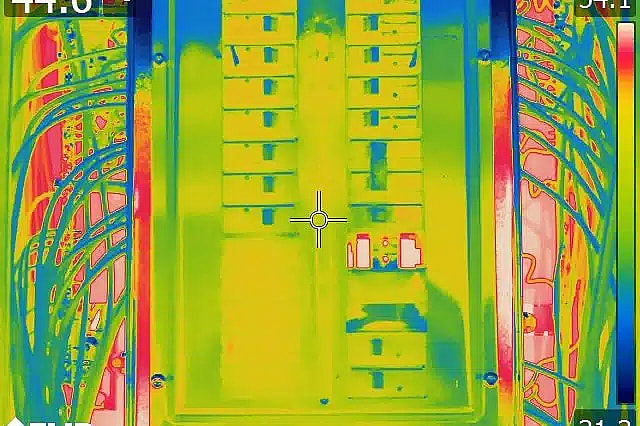
Infrared (IR) Inspections
Learn more →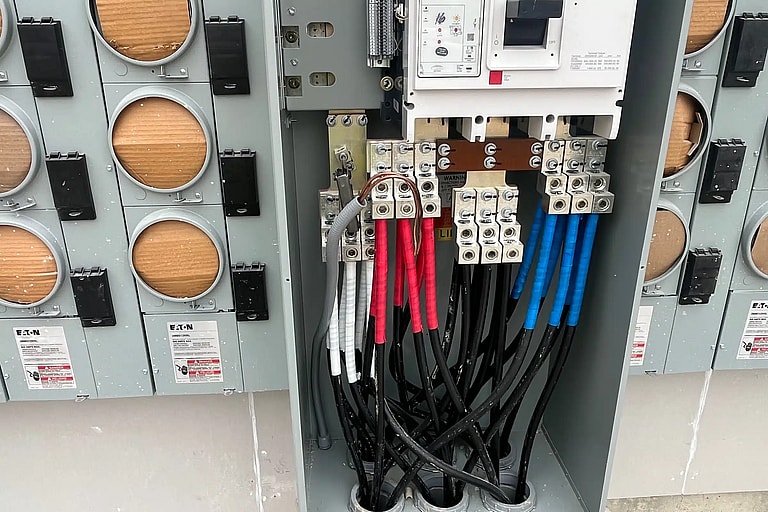
Load Analysis
Learn more →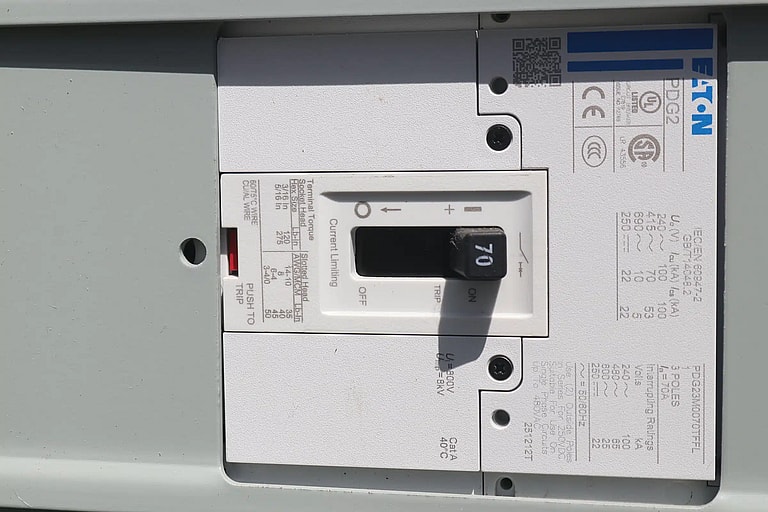
Protection & Coordination
Learn more →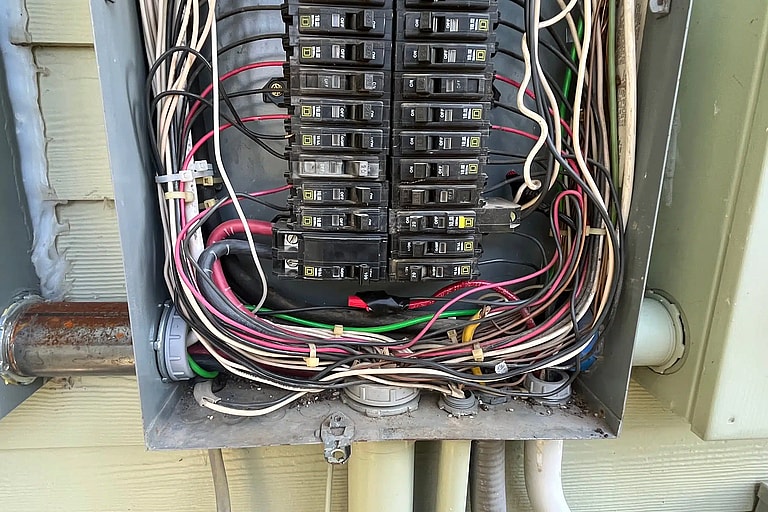
Residential Inspections
Learn more →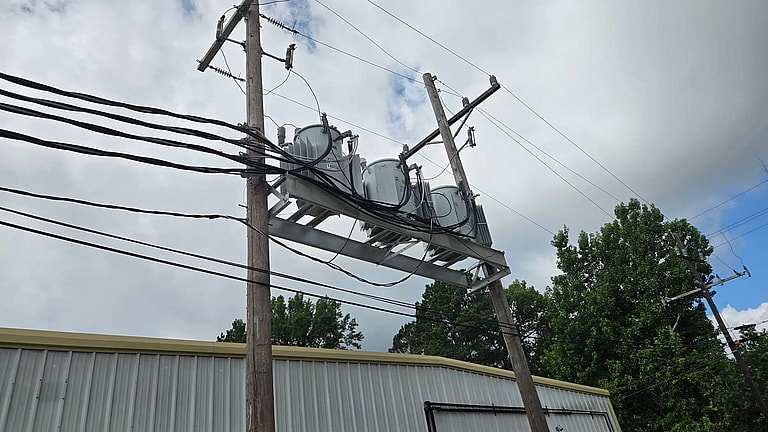
Short Circuit Analysis
Learn more →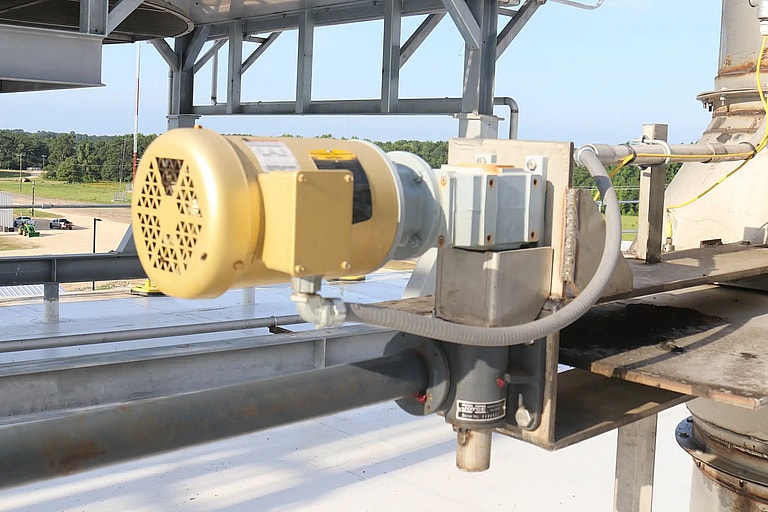
Walkdowns & As-Built
Learn more →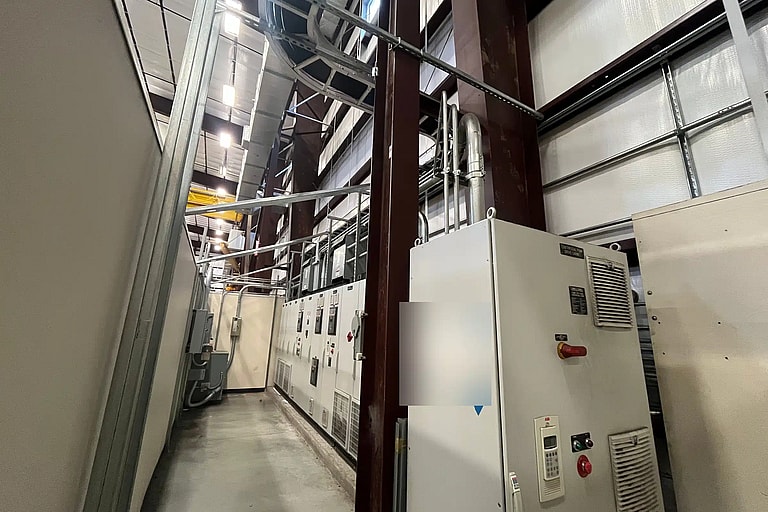
Power Quality and Harmonic Studies
Learn more →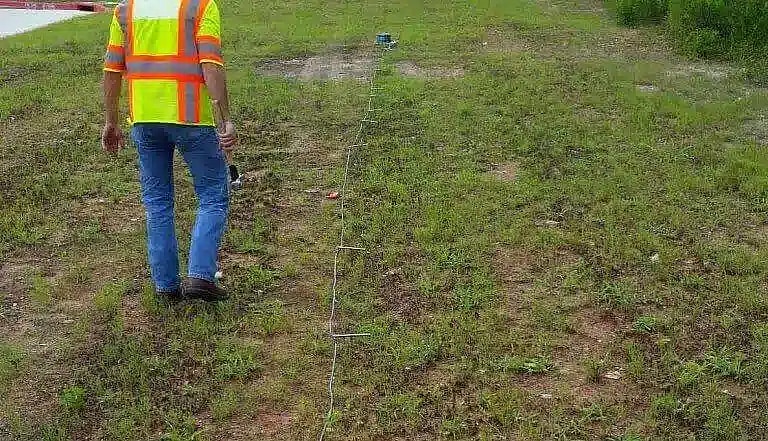
Trust it to Us
Licensed engineers oversee the tests and data collection in the field, so you can rely on the results in your report.
Grounding System Testing
A grounding system only protects people and equipment if its resistance and continuity are what the design assumed. We test grounding electrodes and grids with the The three-point test in IEEE Std 81 for a ground electrode’s resistance to earth. Current flows to a remote probe, and voltage is read at a second probe stepped between them; where the readings level off, that plateau is the resistance.See the glossary, check bonding and continuity, and test to project, utility or telecom acceptance targets beyond the NEC’s 25 ohms when a specification calls for them, including ANSI/NETA ATS and MTSInterNational Electrical Testing Association standards for acceptance testing of new equipment (ATS) and maintenance testing of equipment in service (MTS). They list the tests and the expected results for each type of equipment, including grounding systems.Plain-language summary, not the standard’s wording.See the glossary testing where specified.
Find out more about our grounding system tests and the instruments we use.
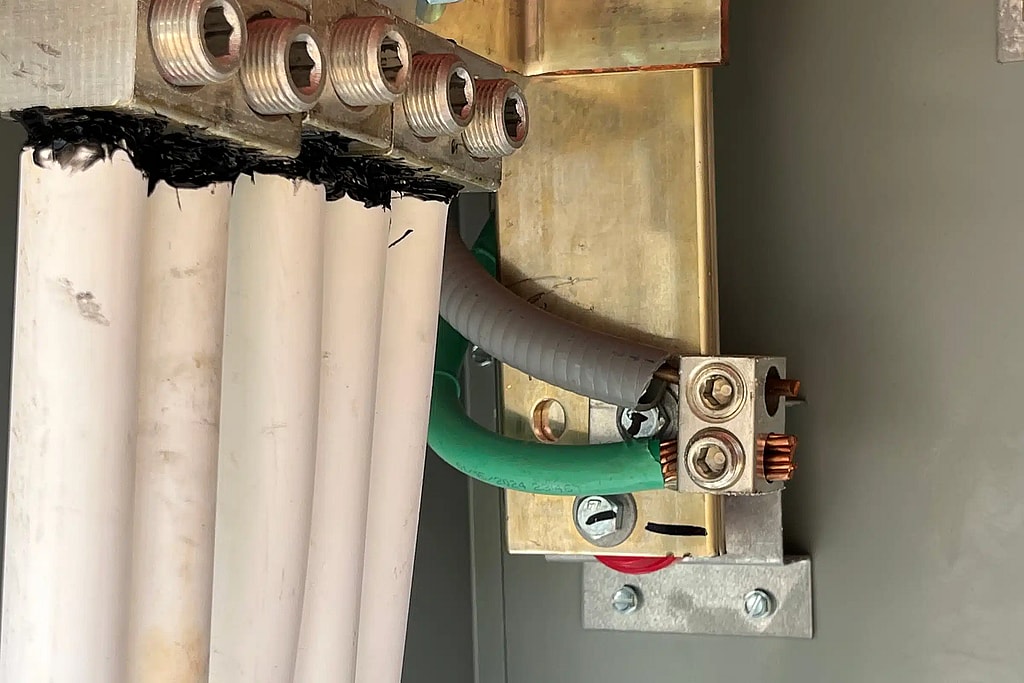
New Construction, Walkdowns and Commissioning
New construction brings its own problems: contractor documents that don’t match what was built, equipment that was never tested, and settings nobody checked. We walk down facilities, produce as-built drawings and single-line diagrams, and test and commission electrical systems before they go into service, so the studies and labels that follow are based on what’s actually installed.
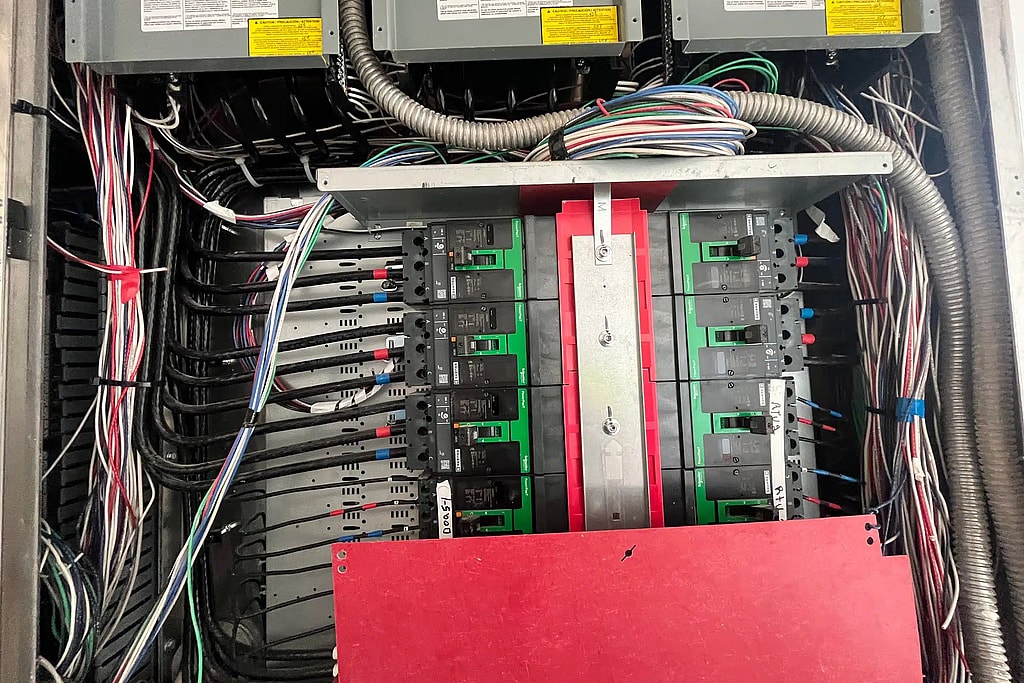
Hire Dreiym for Electrical and Power Engineering
We work to get the job right the first time, so you’re less likely to deal with short circuits, arc flash incidents, fires or equipment damage later. When you contact us, you talk directly with an electrical engineer who can discuss your project.
Hiring us for electrical work
- Call (866) 621-6920 or use the contact form. Tell us about the job, even if you’re not sure which service fits. We typically respond within one business day.
- We scope every job in a proposal before work starts, and the quote is free. Rate schedules are available on request.
- A licensed PE oversees the field work, reviews the report and stamps it where required.
- Our Coldspring and Westcliffe offices cover Texas and Colorado, and we work nationwide.
Our free online circuit simulator is there if you’d rather start with the basics. It solves the resistor, capacitor, inductor and switch networks you draw, with Thévenin equivalents and time-domain plots.
For troubleshooting and failures that come up between scheduled studies, see on-call engineering.
Who does the work
Engineers in the field, not a call center


Instruments and standards
| Modeling | ETAP, SKM |
|---|---|
| Earth ground tester | Fluke® 1625-2 |
| Locating | Radiodetection® PCMx |
| Arc flash | IEEE 1584-2018, NFPA 70E |
| Grounding | IEEE 81, ANSI/NETA ATS and MTS |
Project experience
Recent work in this practice
A few examples from over 1,100 completed projects.
Project
Houston Arc Flash Program
We’ve run a standing program of arc flash and protection coordination studies for industrial facilities around Greater Houston since 2018.
Project
Grounding and Infrared Program, Hill Country
Under a recurring grounding and infrared program, we made regular visits to facilities in the Texas Hill Country in 2024 and 2025 to survey their grounding...
Project
Airport Grounding Testing, Norman
We tested an airport grounding system in Norman, Oklahoma, in 2025.
Project
Southern Colorado Electrical Design
Our electrical team delivered this southern Colorado electrical design project in 2025.
Grounding Illustrative
Where a ground fault puts the voltage
Move a person around a fenced yard during a ground fault and watch the touch and step voltages change with the grid mesh, the ground rods and the fence line.
Open the touch and step voltage explorerFrequently Asked Questions
What electrical studies does a facility need?
Most facilities need a short circuit study, a protective device coordination study and an arc flash study, done together and updated when the system changes. NFPA 70E calls for the arc flash risk assessment to be reviewed at least every five years. Load studies are added when you’re adding equipment or capacity.
Do your studies cover medium-voltage and DC systems?
Yes. We study systems above 15 kV, set medium-voltage protective relays as part of coordination studies, and perform DC arc flash studies for batteries, UPS systems and PV.
Do you provide the arc flash labels?
Yes. We print and install the labels, or ship them to you if you’d rather install them yourself.
Which software do you use?
We model power systems in ETAP and SKM.
Do you offer arc flash training?
Yes. We train electrical workers and supervisors on IEEE 1584-2018 and NFPA 70E.
Related Reading
- 5 Things You Can Do To Prevent Arc Flash Fires
Prevent arc flash fires with five proven steps: risk assessments, preventive maintenance, lockout/tagout procedures, employee training, and arc-rated PPE.
- The Purpose of a Protective Device Coordination Study
What a protective device coordination study is for: what engineers check, what happens during one, and how it limits outages, equipment damage and fires.
- Infrared Electrical Inspections: What They Find and What Happens Next
How infrared electrical inspections work, what thermography finds in panels and switchgear, what it misses, how often to scan and how to fix hot spots.
Related Services
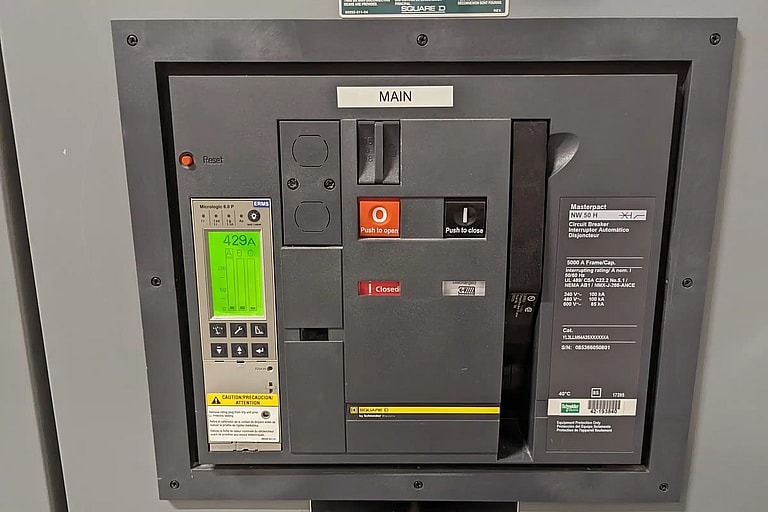
Electrical Coordination
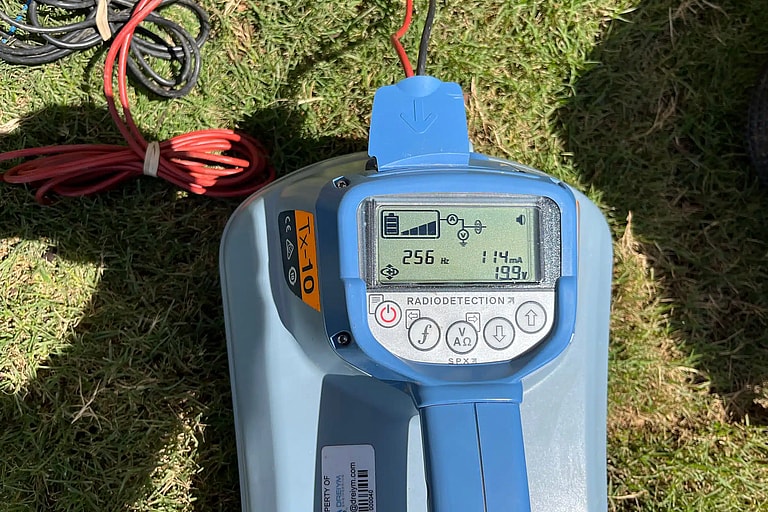
Facility Walkdowns
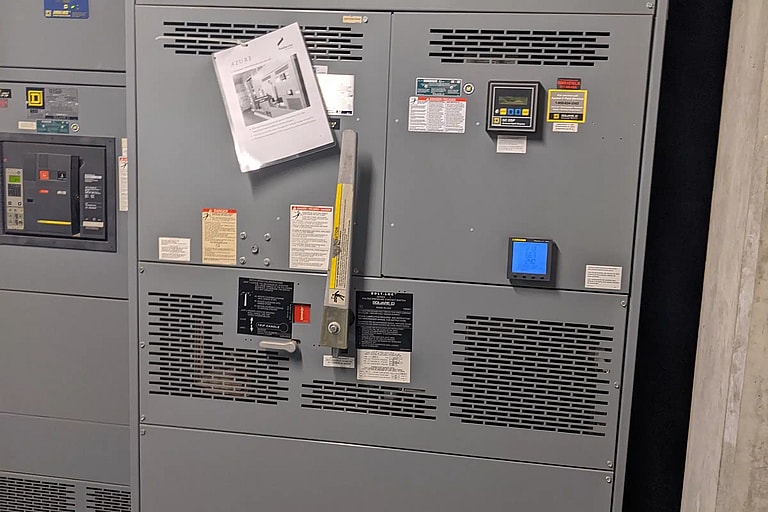
Engineering Design Services
Get your project started
We typically respond within one business day.