Consulting Areas
Forensic Engineering Services
We typically respond within one business day.
Practice at a glanceDE-FORE
- Certification
- NAFI CFEI and CVFI
- Retention
- Testifying or consulting-only
- Scene
- Inspected as soon as possible
- Lab
- Coldspring, TX
- Evidence
- Video-monitored storage, real-time X-ray before disassembly
How an assignment runs
From the scene to the report
Five steps, the same on every loss. Select a step to see what happens and what you receive.
Step 01 · Assignment
Tell us about the loss
Send the claim or file number, the loss date and location, and what you need answered. We confirm the assignment and name the engineer responsible.
- Claim or file number, loss date, location
- Who the interested parties are
- Testifying or consulting-only retention
Step 02 · Scene
Scene inspection as soon as possible
Interested parties are notified. The engineer documents the scene before anything is moved: photographs, measurements, electrical system review and arc mapping where it applies.
- Photographs and measurements
- Arc mapping of branch circuits
- 3D capture with a Leica BLK360® or Matterport® scanner
Step 03 · Evidence
Collected, labeled, logged
Artifacts are collected with their position recorded, labeled and logged, then moved to our Coldspring lab and held in video-monitored evidence storage.
- Chain of custody from the scene
- Video-monitored evidence storage
- Released only on instruction
Step 04 · Lab exam
Examined before anyone takes it apart
Cords, controls, breakers, connectors and batteries are X-rayed in real time before disassembly, then examined under the microscope and compared with exemplars. Joint examinations with interested parties.
- Real-time X-ray, up to 7,500x
- Microscope with an 18 MP camera
- Exemplar comparison and joint examinations
Step 05 · Report
Findings you can use
Origin, cause or failure mode, with the basis for each finding, written for adjusters, attorneys and courts. Consulting-only (non-testifying) retentions are accepted.
- Origin and cause, or failure mode
- Basis for each finding
- Testimony when retained to testify

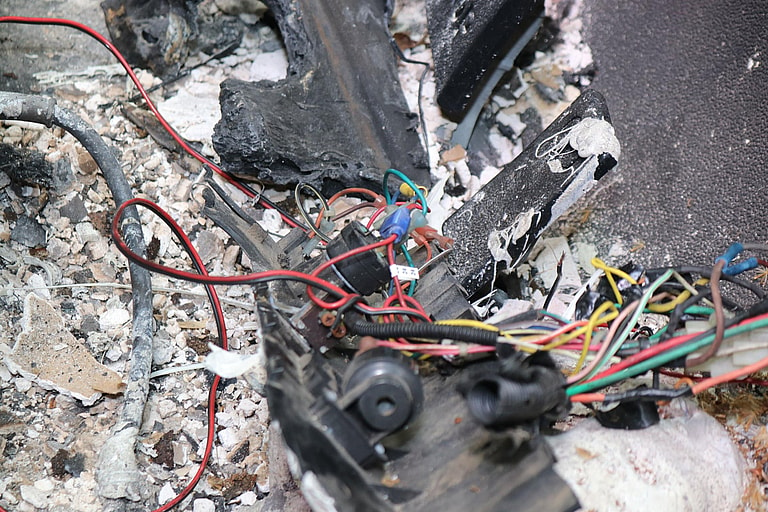


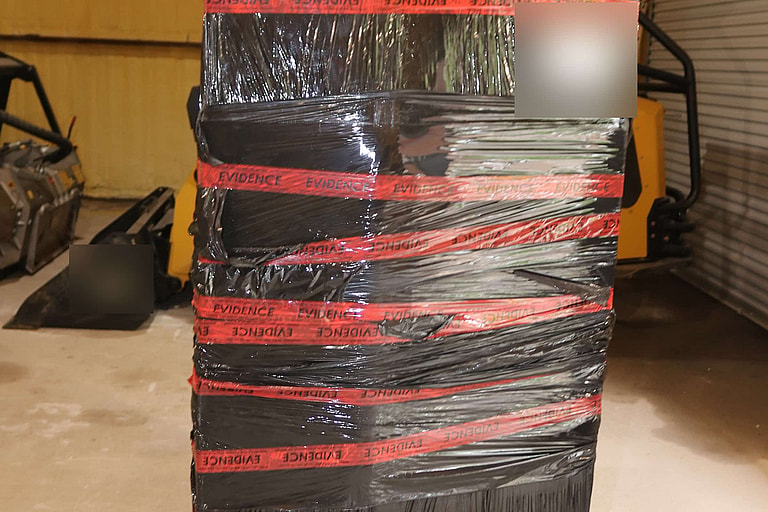
Forensic Engineers Who Find the Root Cause
A forensic engineer applies engineering principles and the scientific method to find out why something failed: a fire, an electrical fault, a corroded pipeline, a mechanical breakdown or a damaged structure. That answer decides who is responsible, what a policy covers, and how to keep the failure from happening again. Dreiym Engineering is a forensic engineering firm whose licensed Professional Engineers investigate losses for insurers, attorneys and property owners, examine the evidence in our own Texas laboratory, and testify to their findings when a matter is litigated.
Founded in 2014, Dreiym Engineering PLLC is Texas Registered Engineering Firm F-16324, with over 30 years of combined experience and offices in Coldspring, Texas, and Westcliffe, Colorado.
Have a loss to assign? Submit a forensic assignment for a free quote, or request expert CVs and our rate schedule. We typically respond within one business day.
What is forensic engineering?
Forensic engineering is the investigation of failures in machinery, components, materials and structures using engineering principles and scientific methods. It is often compared to reverse engineering: instead of designing something to work, the engineer works backward from a failure to its root cause. The findings matter most where there is injury or property damage, and they are used to resolve insurance claims and lawsuits and to prevent the next failure. We also take on wildfire, explosion and other disaster losses. For a longer look at the field, read What does a forensic engineer do?
How a forensic engineering investigation works
- Intake and conflict check. Tell us the date of loss, location, parties, claim or file number and what happened. We record the questions to be answered, screen for conflicts before anyone travels and send a free quote.
- Scene documentation. We get to the scene as soon as possible. It is photographed as found, and evidence is numbered, photographed in place and tracked from the scene to storage.
- Joint examinations. Destructive steps wait until every party entitled to attend has had the chance, following the consensus practices in ASTM E860, Standard Practice for Examining and Preparing Items That Are or May Become Involved in LitigationBefore any test that could change or destroy evidence, the other interested parties are told what is planned and given the chance to attend.Plain-language summary, not the standard’s wording.See the glossary and ASTM E1188, Standard Practice for Collection and Preservation of Information and Physical Items by a Technical InvestigatorHow an investigator documents, collects, labels and stores evidence, so its condition and chain of custody can be shown later.Plain-language summary, not the standard’s wording.See the glossary.
- Laboratory examination. Non-destructive examination first, including X-ray imaging, then controlled disassembly or testing under an agreed protocol.
- Analysis. Hypotheses are tested against the physical evidence and the codes and standards that applied, including NFPA, IEEE and NACE International (now AMPP). For fires, we follow a method consistent with NFPA 921, Guide for Fire and Explosion Investigations, 2024 editionThe reference most fire investigators follow. It is a guide, not a code. It lays out a systematic approach based on the scientific method: gather data, form hypotheses about origin and cause, and test each against the evidence.Plain-language summary, not the standard’s wording.See the glossary and establish the origin before the cause.
- Report and testimony. A report prepared by a licensed PE and PE-stamped where required, with each opinion and its basis, followed by deposition and trial testimony when needed.
Forensic engineering services by discipline
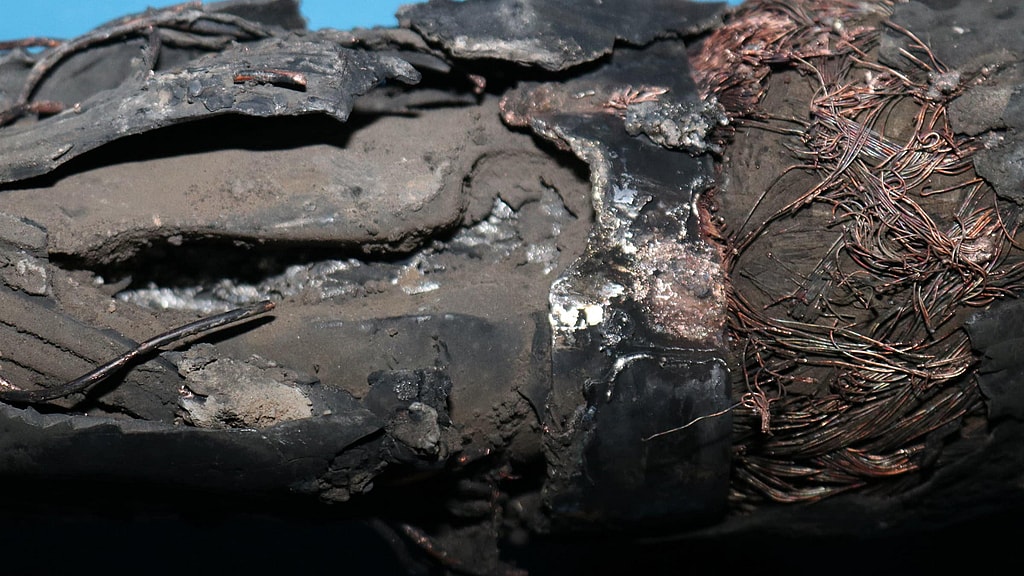
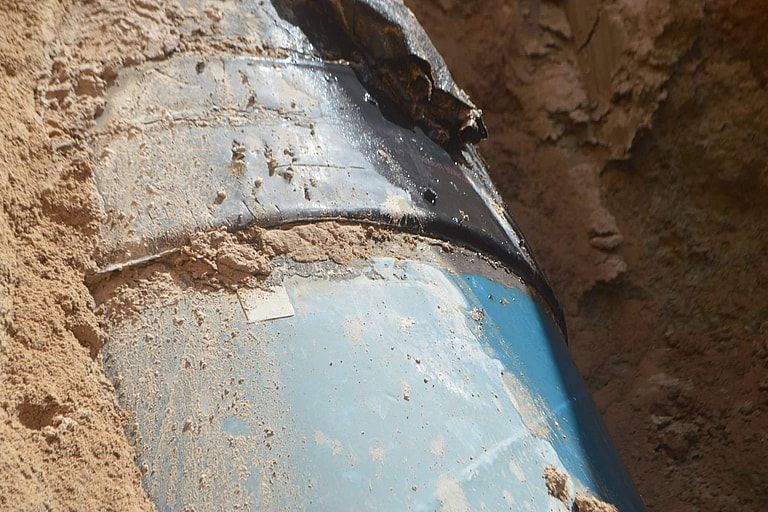
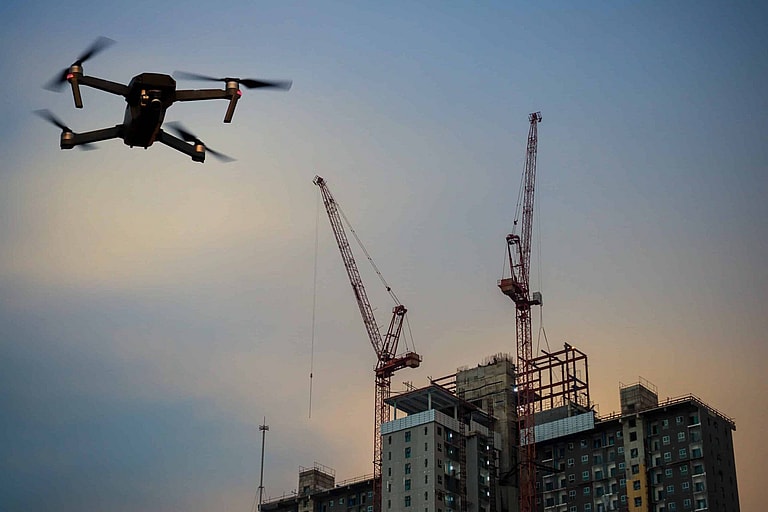
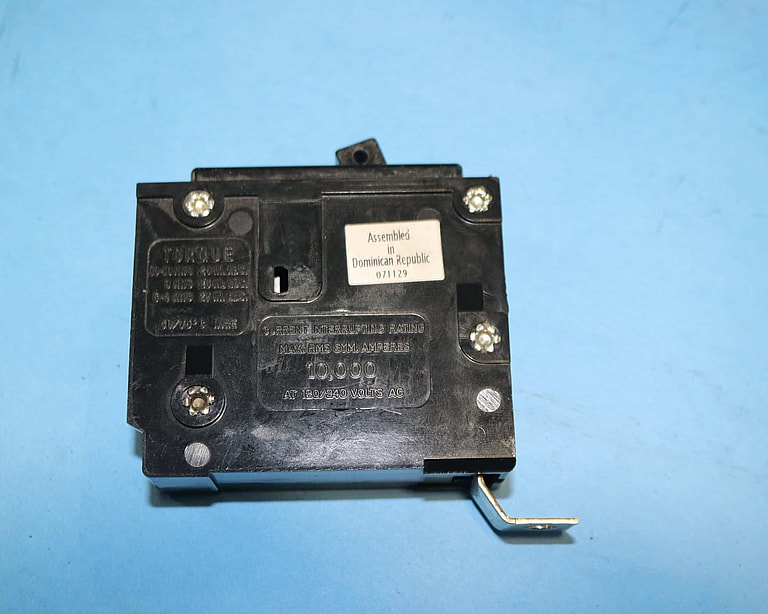
Many losses cross disciplines. An appliance fire can turn on the branch-circuit wiring behind it, and a pipeline leak can turn on stray current from a nearby system. Keeping electrical, fire, corrosion and lab work under one roof lets one investigation follow the evidence wherever it leads. Our main disciplines are pictured below. We also handle:
- Electrical failure analysis: bench-level analysis of failed breakers, wiring, transformers and reclosers to find what failed, in what sequence, and why.
- Mechanical investigation: breakdowns of HVAC, plumbing, natural gas systems and other equipment, performed with our associated forensic engineers.
- Civil investigation: buildings, bridges, garage structures and buried infrastructure, performed with associated civil engineers.
- Forensic lighting analysis: slip-and-fall and workplace accidents where poor lighting may have played a part.
- Drone services: aerial documentation of burned-out roofs, pipeline routes and cell towers where access on foot is slow or unsafe.
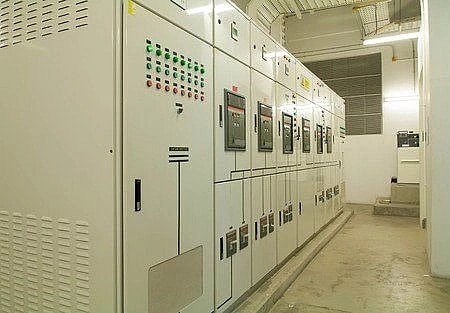
Electrical Investigation
Forensic Electrical Engineering for Fires, Failures and Injuries
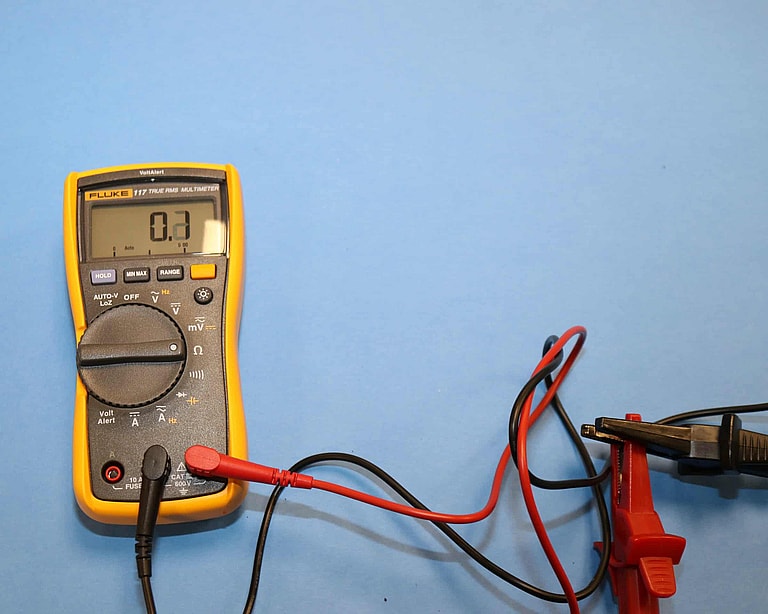
Electrical fires, failures and injuries: we determine whether an electrical failure caused the loss or resulted from it, and whether the installation met code. Our PEs write the expert reports and testify. See forensic electrical engineering.
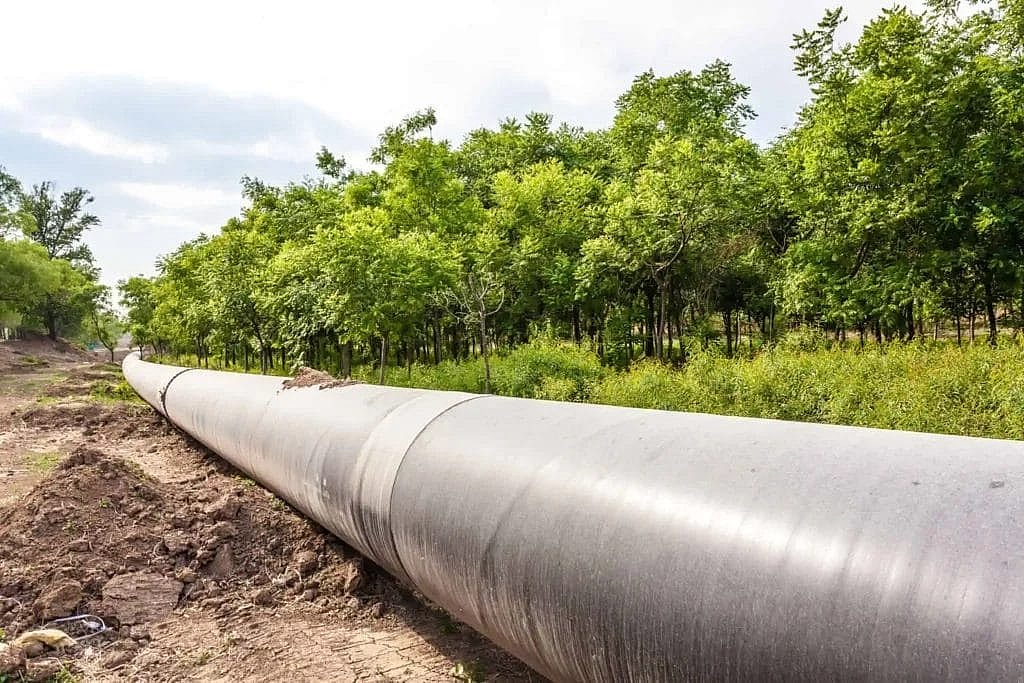
Corrosion Investigation
Forensic Corrosion Engineering
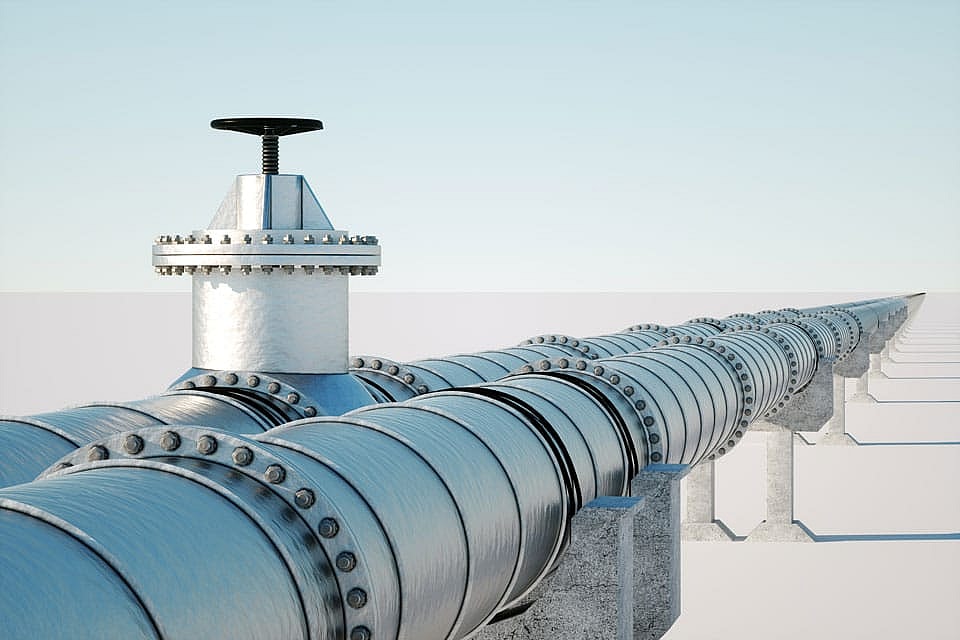
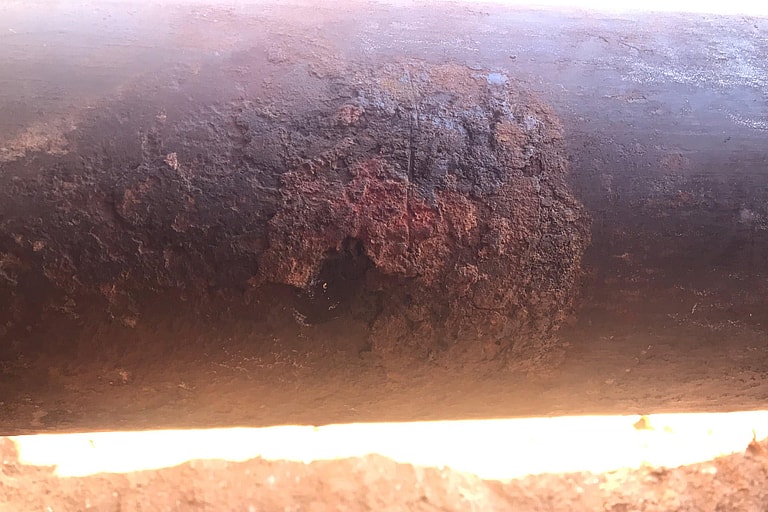
Leaks, water losses, product spills, loss of buried assets and compromised structural integrity. We evaluate cathodic protection, AC and DC interference, stray current and soil corrosivity on pipelines and tanks. See forensic corrosion engineering.
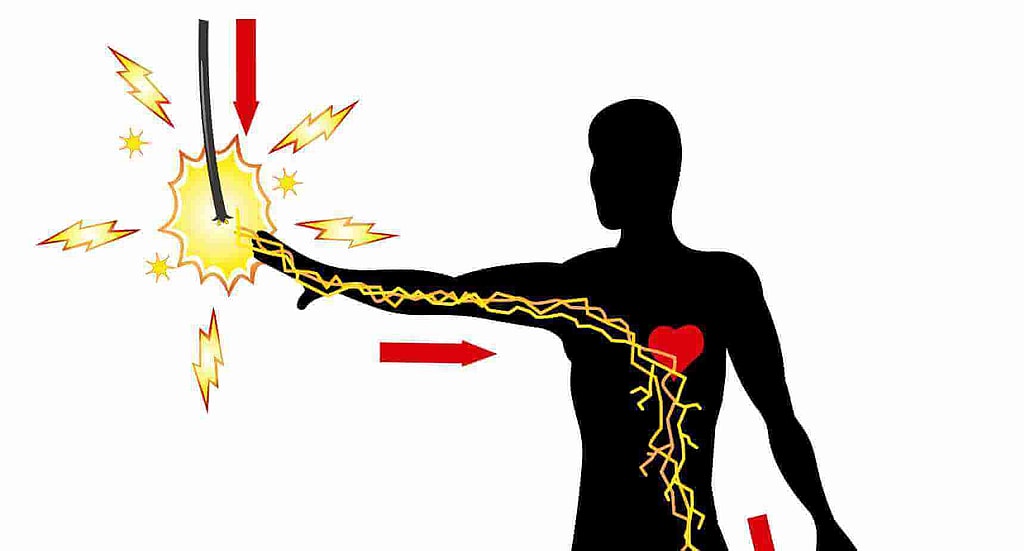
Electrical Injury
Electrical Injury Investigation
Shock, electrocution and arc flash injuries: we find where the energy came from, whether safeguards and safe work procedures were in place, and whether PPE worked. See electrical injury.
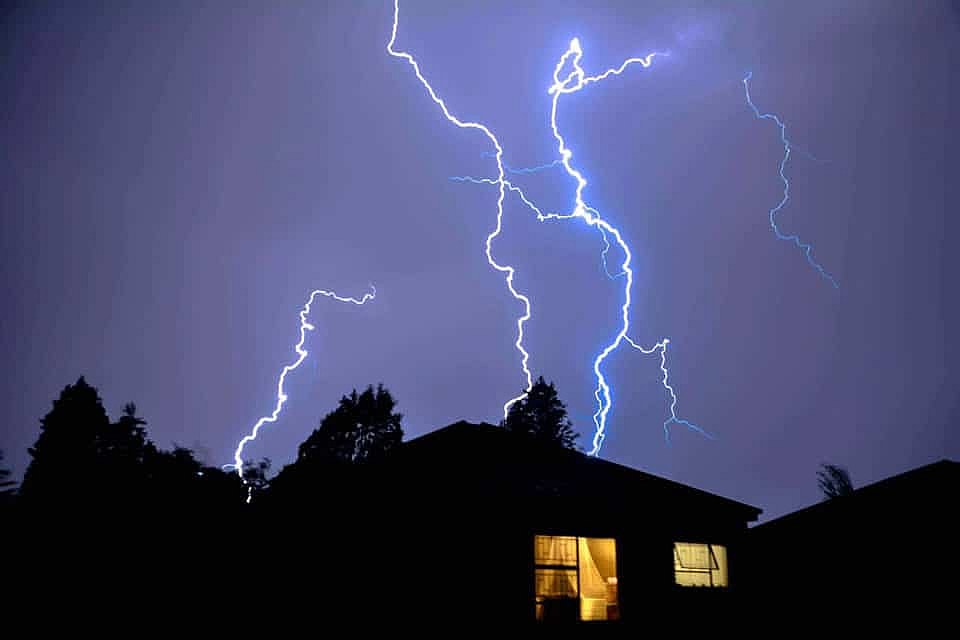
Lightning Damage
Lightning and Surge Damage
Lightning or a utility surge: we find out which, document each claimed item, and separate surge damage from age and wear. See lightning and surge damage.
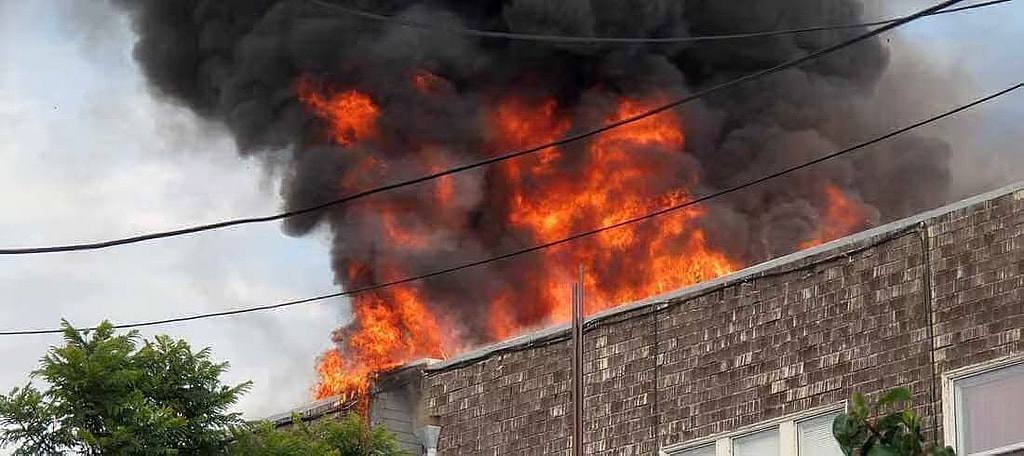
Residential Electrical Issues
Residential Electrical Fires
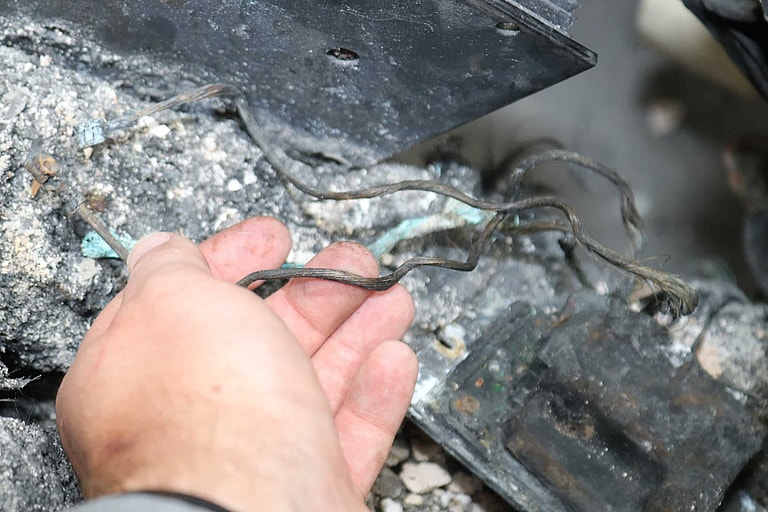
House fires where wiring, a device or the service equipment is a suspected ignition source. Families are often forced out of their homes, so the cause has to be right. We identify the potential electrical ignition sources in the The room or space where the fire began, narrowed down from fire patterns, witness accounts, the timeline and, where wiring is present, arc mapping.See the glossary and check them with Locating and plotting every arc site on the circuits in a burned area. Once an arc severs a conductor, the circuit beyond it goes dead, so the arc site farthest along a circuit is usually the earliest. That helps narrow the area of origin.See the glossary. See residential electrical fires.
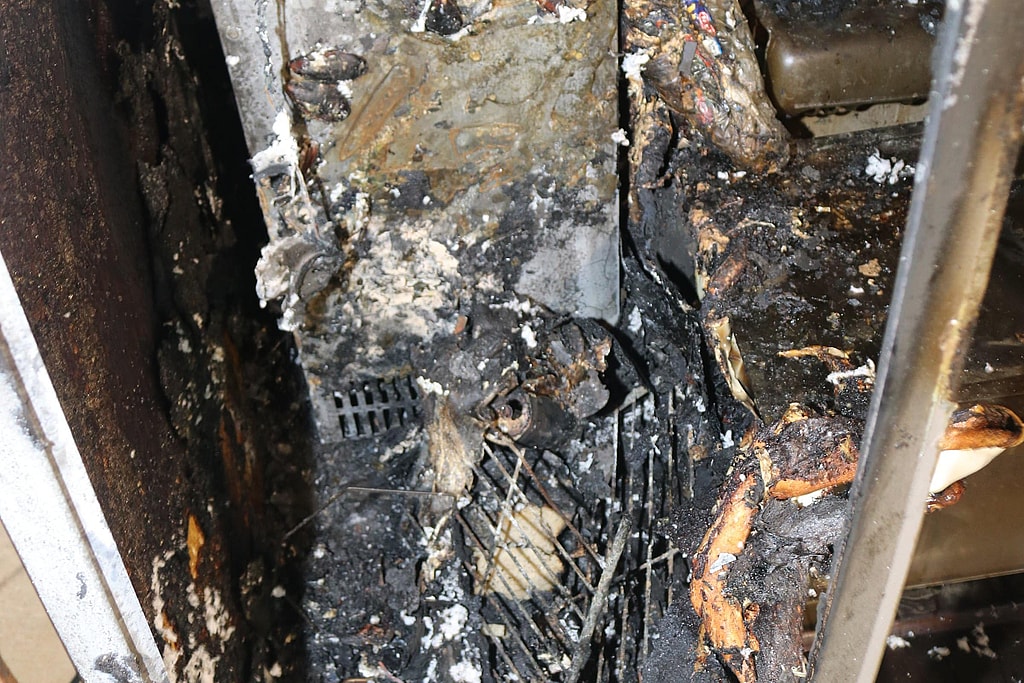
Appliance Failures
Appliance Failure Investigation
Fires, shocks and leaks traced to HVAC systems, washers and dryers, refrigerators, ranges, heaters and chargers. We determine whether it was installed and used properly, whether there is a design or manufacturing defect, and whether it caused the loss. See appliance failure.
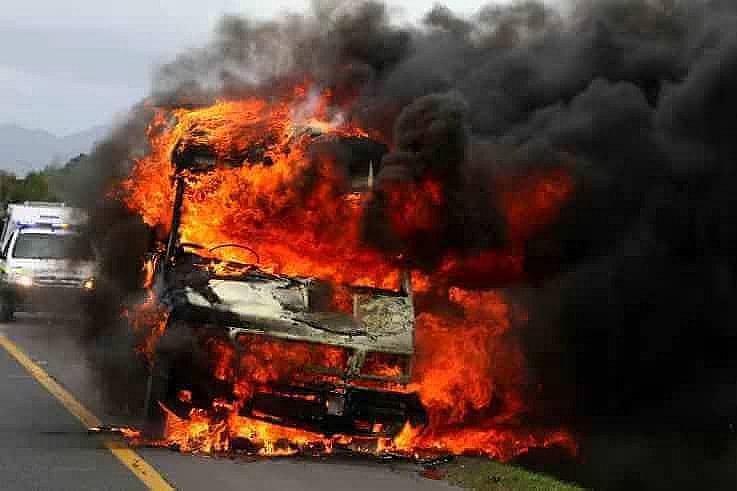
Vehicle Fires
Vehicle and Heavy-Equipment Fire Investigation
Car, truck and heavy-equipment fires, where the electrical system sits close to the fuel and hydraulic systems, including electric vehicle fires. Brian Brackensick and Stepan Eero are both NAFI Certified Vehicle Fire Investigators (Certified Vehicle Fire Investigator, a NAFI certification for investigating fires in cars, trucks and heavy equipment. Candidates qualify through training and experience and pass an exam.See the glossary), and our lab has an 18,000-lb vehicle lift for examinations under controlled conditions.
See vehicle fire investigation, and related work on a heavy-equipment fire in Jacksonville and vehicle fires in Central Florida.
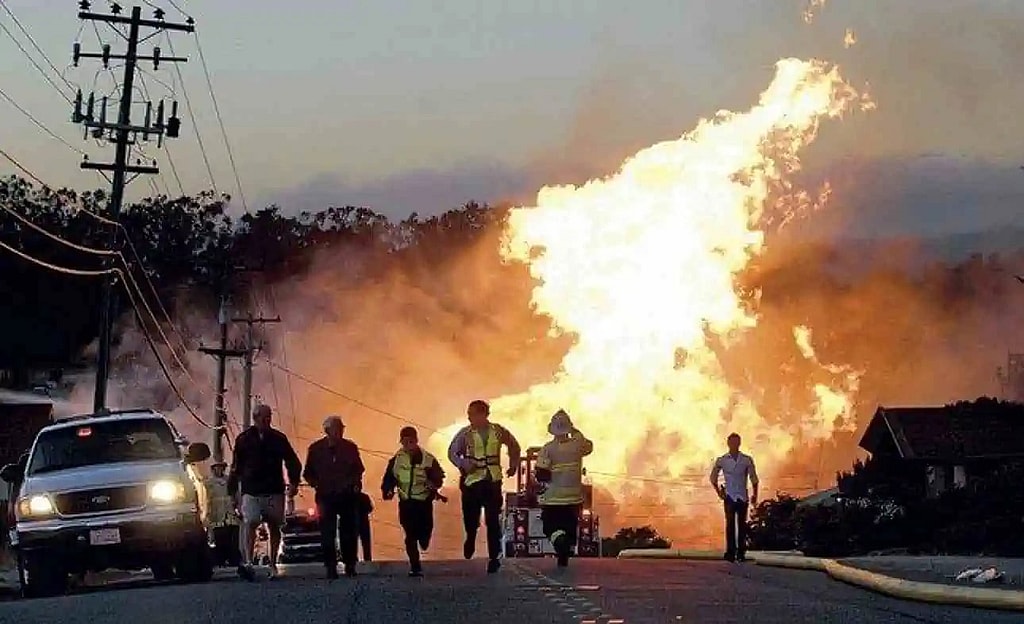
Fire and Explosion Investigation
Fire and Explosion Investigation
Origin is where the fire started. Cause is the ignition source, the first fuel ignited and the circumstances that brought them together. NFPA 921 classifies a cause as accidental, natural, incendiary or undetermined.See the glossary of residential, commercial, industrial and vehicle fires, using a method consistent with NFPA 921. On most residential and commercial fires we send an electrical engineer to evaluate the electrical ignition sources. See fire and explosion investigation.
New to fire investigation? Our fire investigation guide puts our articles, explainers and services in the order to read them.
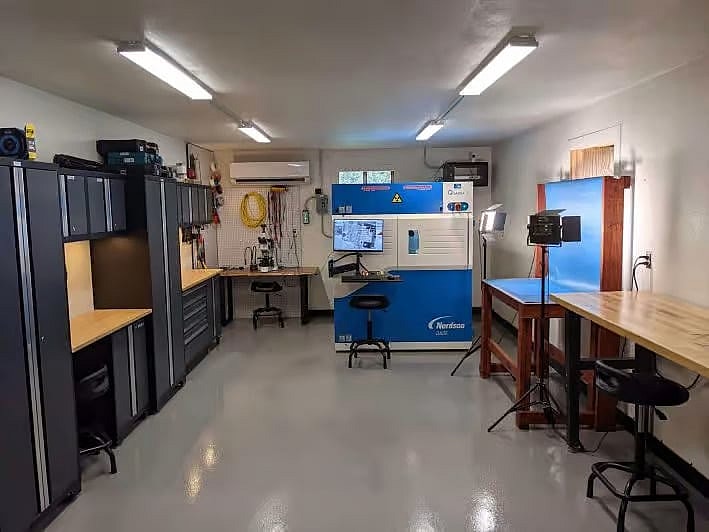
Forensic Laboratory
Forensic Engineering Laboratory
Our 1,500-square-foot Texas lab handles destructive and non-destructive examination, with engineering X-ray, 3D space capture of scenes, an 18,000-lb vehicle lift and secure, video-monitored evidence storage. Third-party forensic engineers can rent lab access and storage. See our forensic engineering laboratory.
Hire a Forensic Engineer
When you call, you reach a forensic engineer in the specialty you need, not a receptionist or a chain of voicemails. We get to the scene as soon as possible.
- Insurers and adjusters: a cause and origin answer you can act on, scenes documented for subrogation, and lightning and surge claims evaluated item by item.
- Attorneys: expert reports and deposition and trial testimony, with CVs, our rate schedule and our letter of agreement on request. We also accept consulting-only (non-testifying) retentions.
- Property owners: what failed, what is safe to put back in service, and how to prevent a repeat, in plain language.
Brian J. Brackensick, M.S., P.E. and Stepan V. Eero, M.S., P.E. are licensed Professional Engineers with active and past licensure in multiple states, and both are NAFI Certified Fire and Explosion Investigators (Certified Fire and Explosion Investigator, a certification from the National Association of Fire Investigators (NAFI). Candidates qualify through training and experience and pass an exam based on NFPA 921 and NFPA 1033.See the glossary).
We serve Texas and Colorado from our Coldspring and Westcliffe offices, regularly take on losses in the surrounding states, and offer nationwide coverage. See our forensic engineering services in Colorado.
Submit a forensic assignment or request CVs and our rate schedule. Quotes are free. We typically respond within one business day. Related work: Texas forensic investigation program.
Investigators
Licensed PEs, NAFI certified


How a retention works
| Assignment | Submit online or call. We typically respond within one business day. |
|---|---|
| Scene | Inspected as soon as possible |
| Evidence | Logged on arrival, kept in video-monitored storage |
| Lab | Real-time X-ray before disassembly, Coldspring, TX |
| Mechanical and civil | Through associated engineers |
Project experience
Recent work in this practice
A few examples from over 1,100 completed projects.
Project
Post-Fire Electrical Origin Investigation
After a 2021 fire in the Baton Rouge metro area, our forensic team was brought in for a post-fire electrical origin investigation, to work out whether the fire was electrical in origin.
Project
Texas Forensic Investigation Casework
From 2024 through 2026 we’ve carried out forensic investigations in Texas on fires, electrical failures and electrical injuries, including matters in Houston, San Antonio and the...
Project
Louisiana Electrical Failure and Fire Investigations
Two assignments came to our forensic engineers in 2021, an electrical failure in southwest Louisiana and a fire in central Louisiana.
Project
Central Florida Vehicle Fire Investigations
In 2021 our forensic team investigated Orlando and Central Florida vehicle fires.
Timeline analysis Illustrative
Line up the clocks
An alarm panel and a camera recorder keep their own time; a phone log and a smart meter keep network time. Correct the two clocks on the one event three of the records saw and watch the order of events change.
Open the timelineFrequently asked questions
What is forensic engineering?
Forensic engineering is the use of engineering principles and the scientific method to determine why a structure, component, material or system failed, usually where the answer affects an insurance claim, a lawsuit or another dispute. The forensic engineer documents the evidence, tests explanations against it, and reports the root cause in a form others can check.
What does a forensic engineer do?
A forensic engineer examines the scene, preserves and tests the physical evidence, reviews records, works out the most probable cause and writes a report. If the matter is litigated, the engineer testifies as an expert witness. Our article What does a forensic engineer do? covers the work in more depth.
When should you call a forensic engineer?
As soon as possible after a loss, and before the scene is cleared or repaired or the failed equipment is discarded. The sooner an engineer is involved, the more evidence can be documented where it was found, and the fewer conclusions have to rest on someone else’s photographs.
How do you choose a forensic engineering firm?
Match the firm’s disciplines to the questions in dispute, verify the engineers’ licenses with the state boards, and ask how evidence is preserved, where it is examined, and how the engineer rules out alternative causes. Ask for CVs and rates up front. Our guide to choosing an expert witness includes a screening script, and our attorney intake checklist (PDF) helps you prepare.
How much do forensic engineering services cost?
Cost depends on the scope: the number of site visits, the lab work required, and whether the matter goes to deposition or trial. Quotes are free and carry no obligation, our rate schedule is available on request, and the work proceeds only after you approve the scope and budget.
Do forensic engineers testify in court?
When a matter requires it. Many matters settle, go to appraisal or resolve on the written report. Our engineers write expert reports and give deposition and trial testimony when needed, and we also accept consulting-only (non-testifying) retentions. Submit an assignment or request our CVs to get started.
Related Reading
- What Does a Forensic Engineer Do?
What does a forensic engineer do? How these engineers investigate failures, fires and collapses, and when to hire one for litigation or insurance claims.
- How To Choose the Right Forensic Engineering Consultant
Learn how to choose a forensic engineering consultant: match services to your failure, vet company reputation, and verify credentials before you hire.
- What You Need To Know About the Fire Investigation Process
The fire investigation process step by step: scene preservation, evidence collection, and how certified fire investigators find origin and cause.
Related Services
Corrosion Failure Analysis
Forensic Electrical Engineering
Fire Investigation
Have a loss to investigate?
We typically respond within one business day.