Consulting Areas
Forensic Corrosion Engineering
We typically respond within one business day.
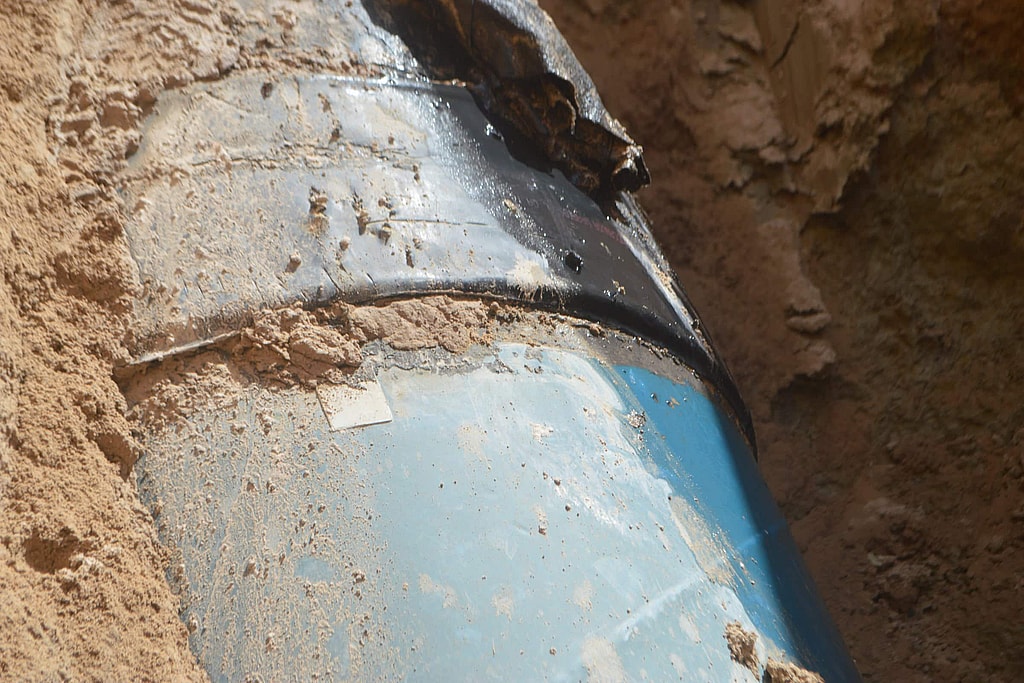
Corrosion Failure Analysis After a Leak, Spill or Loss
Forensic corrosion engineering finds out why metal failed: which corrosion mechanism was at work, what allowed it, and whether it should have been prevented. When a pipeline leaks, a tank bottom fails, a buried structure corrodes through or equipment fails early, our corrosion engineers examine the evidence and the history and give you a cause you can act on or defend.
A corrosion failure usually raises the same questions:
- Is anything else at risk, and is it safe to keep operating?
- What caused the failure, and who or what was responsible?
- Were the cathodic protection, coatings and materials adequate?
- What has to change so it doesn’t happen again?
Submit an assignment or contact us for a free quote. We typically respond within one business day.
Get in Touch
Submit an assignment to get started.
We work for insurers, attorneys and owners, and we take both testifying and consulting-only assignments. Each investigation applies the electrochemistry of corrosion to the physical evidence: the failed component, its corrosion products, the soil or water it was in, the cathodic protection records and the operating history. From that we identify the mechanism, such as pitting, galvanic attack, microbiologically influenced corrosion, stray current or stress corrosion cracking, and the conditions that allowed it.
A failure analysis tells you where things went wrong. Once the cause is clear, we recommend how to keep it from happening again, including:
- AC and DC interference testing and mitigation
- Atmospheric corrosion control
- Coatings and corrosion control design
- Cathodic protection design and repair
- Conformance to DOT / PHMSA / OSHA / EPA regulations
If the failure leads to a claim or a lawsuit
- One of our engineers can serve as your corrosion expert witness, from the expert report through deposition and trial testimony.
- Ask for current CVs and our rate schedule before you assign the file.
- A licensed Professional Engineer leads the investigation. We’re Texas Registered Engineering Firm F-16324, and our licensed Professional Engineers have active and past licensure in multiple states.
- Preserve the failed part as found. Cleaning, blasting or cutting it can destroy the evidence that shows the cause.
- Our in-house engineering lab in Texas can examine and store corroded pipe sections, failed anodes and other physical evidence, in video-monitored storage.
- We typically respond within one business day after you submit an assignment.
Our corrosion investigations are led by licensed Professional Engineers, and our team includes a NACE Cathodic Protection Specialist (CP4) and a NACE Cathodic Protection Technologist, certified through AMPP (formerly NACE International). Because we also design, install and test cathodic protection systems, we know how they’re supposed to work and how they fail in the field.
Our Capabilities
- Evaluation of impressed current and galvanic cathodic protection systems
- Onshore, offshore and marine structures
- Code and standards compliance reviews
- AC and DC interference analysis
- Stray current mapping
- Soil corrosivity analysis
- Pipeline integrity assessments
- Atmospheric corrosion surveys
- Corrosion control for reinforced concrete structures
- Underground, at-grade and aboveground storage tank integrity assessments
- Failed anodes, test stations and rectifiers
Frequently Asked Questions
What does a corrosion failure analysis include?
A review of the site and the evidence, examination of the failed component and its corrosion products, a review of cathodic protection and maintenance records, soil or water testing where it matters, and a written report that states the cause, the contributing factors and our recommendations.
Can you serve as a corrosion expert witness?
Yes. Our engineers can take a case from the expert report through deposition and trial testimony, and we also accept consulting-only assignments where you don’t need a testifying expert.
What should I do with the failed part?
Keep it as found. Don’t clean, blast or cut it, photograph it in place if you can, and store it dry. Our lab in Texas can receive, examine and store corroded pipe sections, failed anodes and other evidence.
Do you investigate failures outside Texas?
Yes. Our offices are in Texas and Colorado and we work nationwide. Tell us where the failure is and we’ll confirm availability.
Engineering Examination and Investigation


Related Reading
- Pitting Corrosion: Causes, How to Identify It, and Prevention
What pitting corrosion is, why it starts, how to find pits before they leak, which metals are most at risk, and how pitted equipment is repaired.
- Intergranular Corrosion (Intergranular Attack): Causes, Testing and Prevention
What intergranular corrosion (intergranular attack) is, how welding sensitizes stainless steel, how ASTM A262 tests for it, and how to prevent it.
- Crevice Corrosion: What It Is, Examples and How to Prevent It
What crevice corrosion is, how it starts under gaskets, fasteners and deposits, which metals are most at risk, and how to detect and prevent it.
Related Services
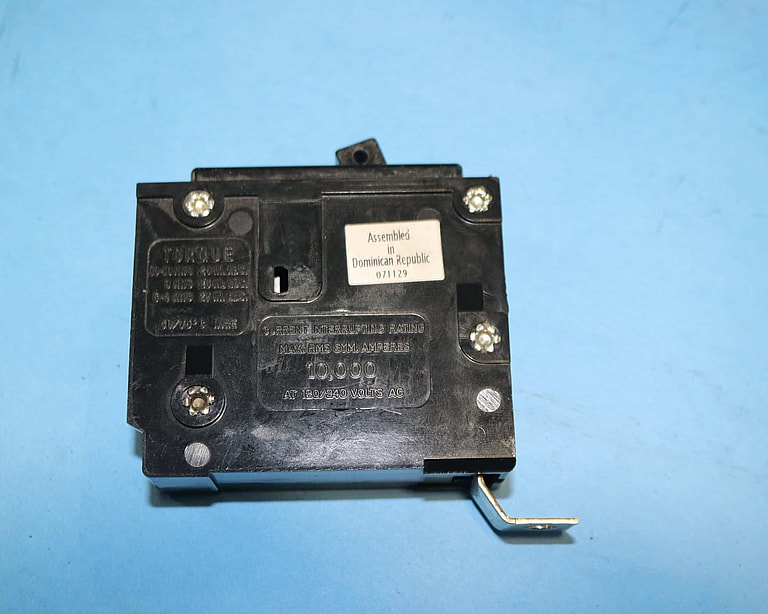
Electrical Failure Analysis
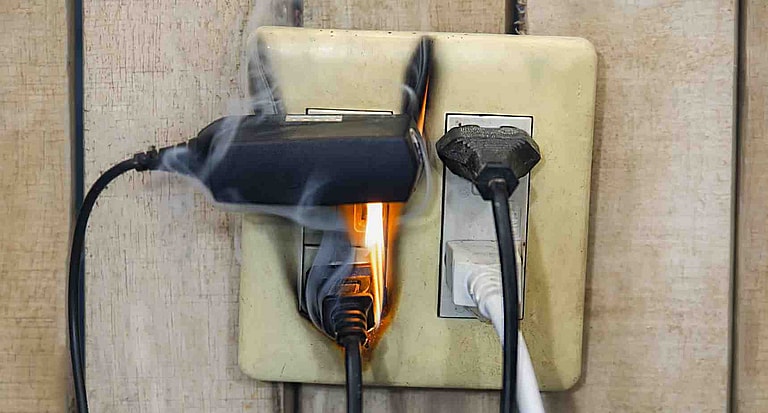
Residential Electrical
Appliance Failure
Have a loss to investigate?
We typically respond within one business day.