Consulting Areas
Pipeline and Storage Tank Integrity Assessment
We typically respond within one business day.
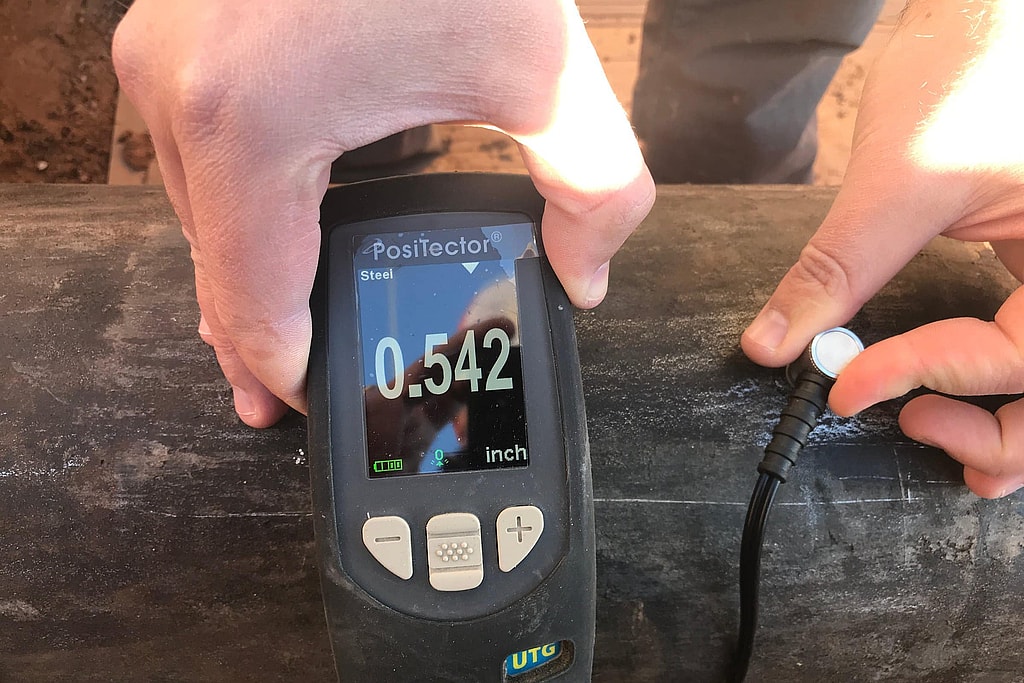
Pipeline and Tank Integrity Services
Pipelines and tanks rarely fail without warning. Corrosion and coating damage usually develop over years, and a pipeline or storage tank integrity assessment finds them, measures how much strength is left, and tells you what has to be repaired and when. Dreiym Engineering’s corrosion engineers assess buried and aboveground pipelines and underground, at-grade and aboveground storage tanks for owners and operators. Our article on pipeline integrity management explains why it pays to plan this work.
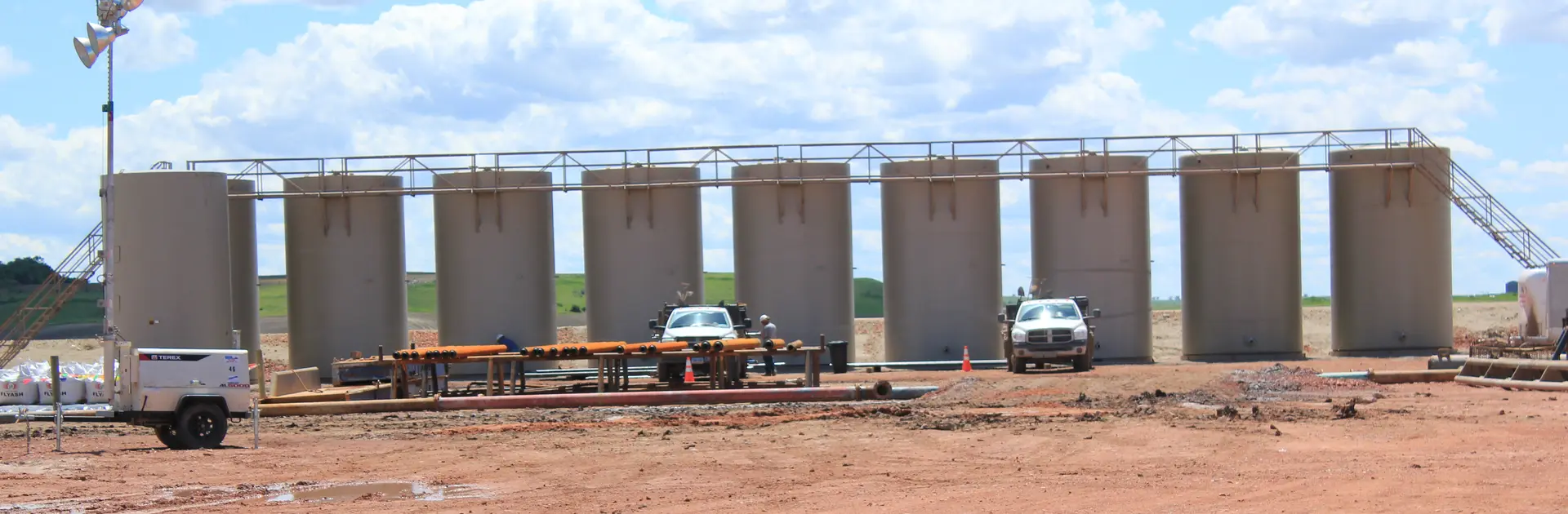
A nine-tank aboveground battery in the Williston Basin. Photo by Lindsey G, cropped and re-encoded, used under CC BY 2.0.
Related work: Tampa tank farm assessment.
Contact us for a free quote. We typically respond within one business day.
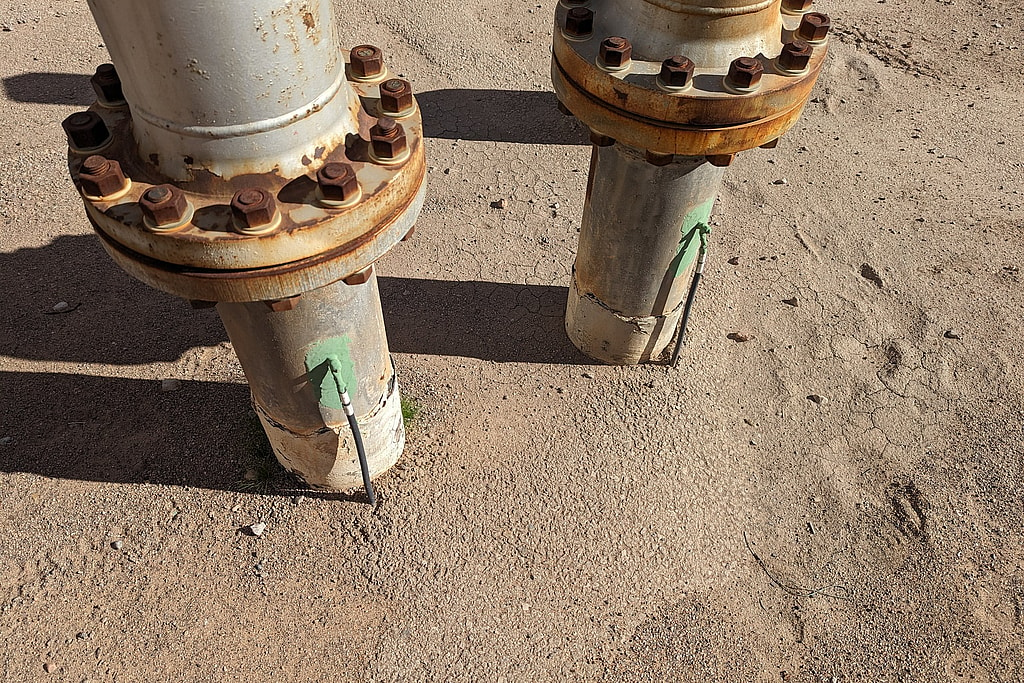
CP Surveys
Most integrity programs start with corrosion. We review your cathodic protection survey data, coating condition and operating history, and test where the data is missing, so that a small problem that’s easy to fix doesn’t become a leak or an outage.
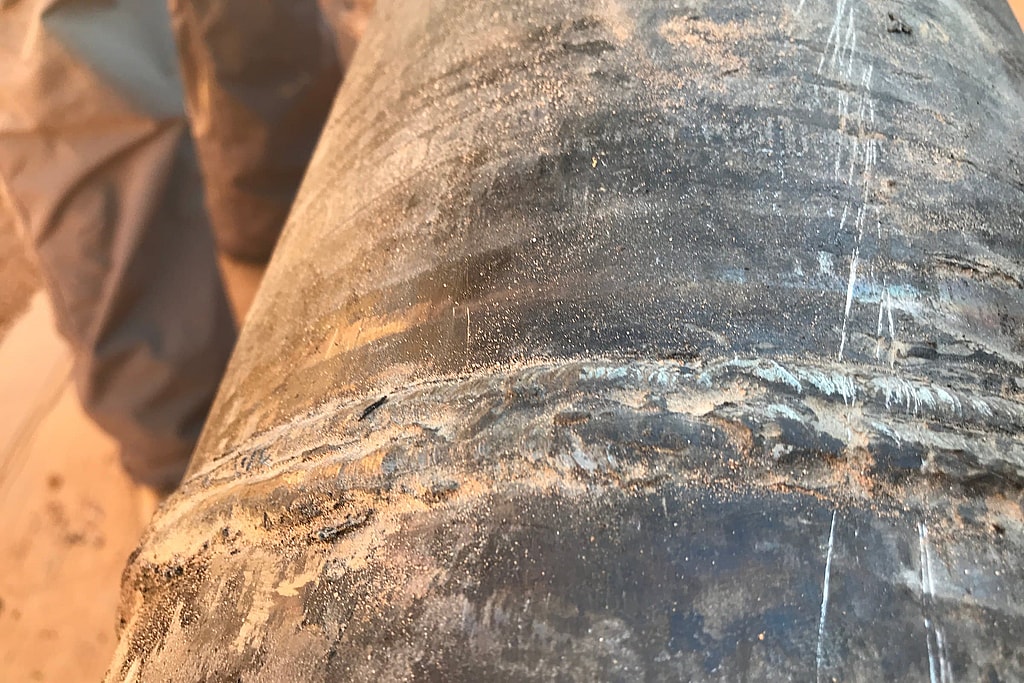
Bare pipe and girth weld at a dig
The key to maintaining integrity is finding the sections at greatest risk of corrosion: low-resistivity or wet soil, coating defects, shorted casings, interference from foreign structures, and areas the cathodic protection doesn’t reach. Once those areas are identified and their corrosion rate is estimated, you can decide what to repair, recoat, protect or monitor.
Where low-resistivity soil is driving the problem, adding or upgrading cathodic protection is often the most economical fix. A soil corrosivity analysis shows how aggressive the soil is.
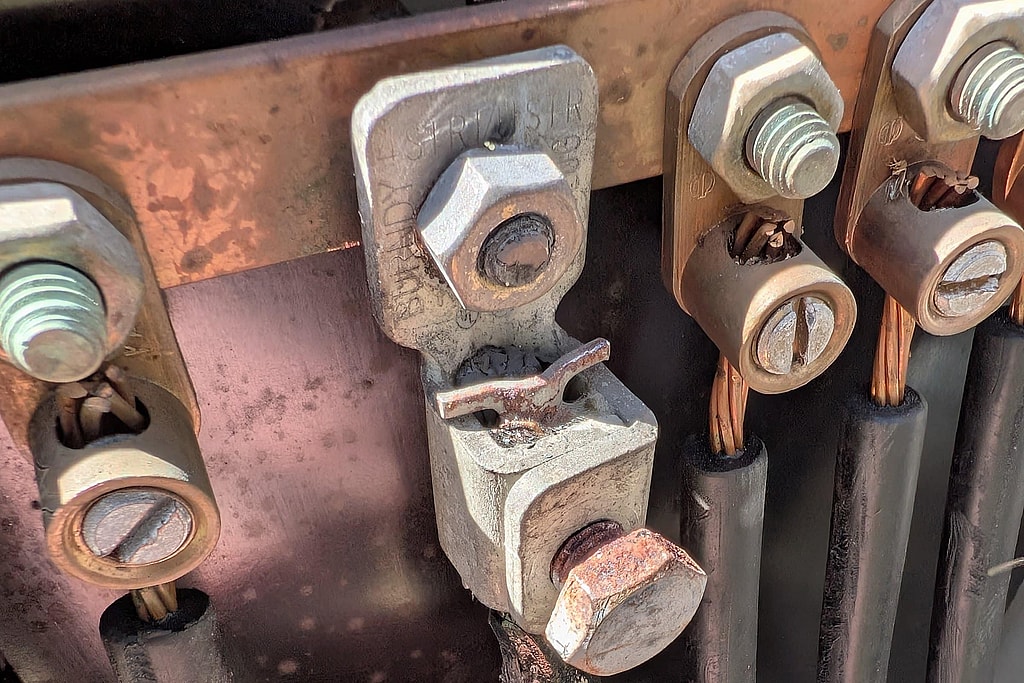
Cathodic Protection Startup
Our engineering calculations estimate the remaining strength and remaining life of corroded pipe and tank components, which tells you how soon each anomaly has to be addressed. Where corrosion has reduced the strength of a segment, we can recommend a reduced maximum operating pressure until it’s repaired, with priority on high-consequence areas. With that information you can plan repairs before a failure forces them.
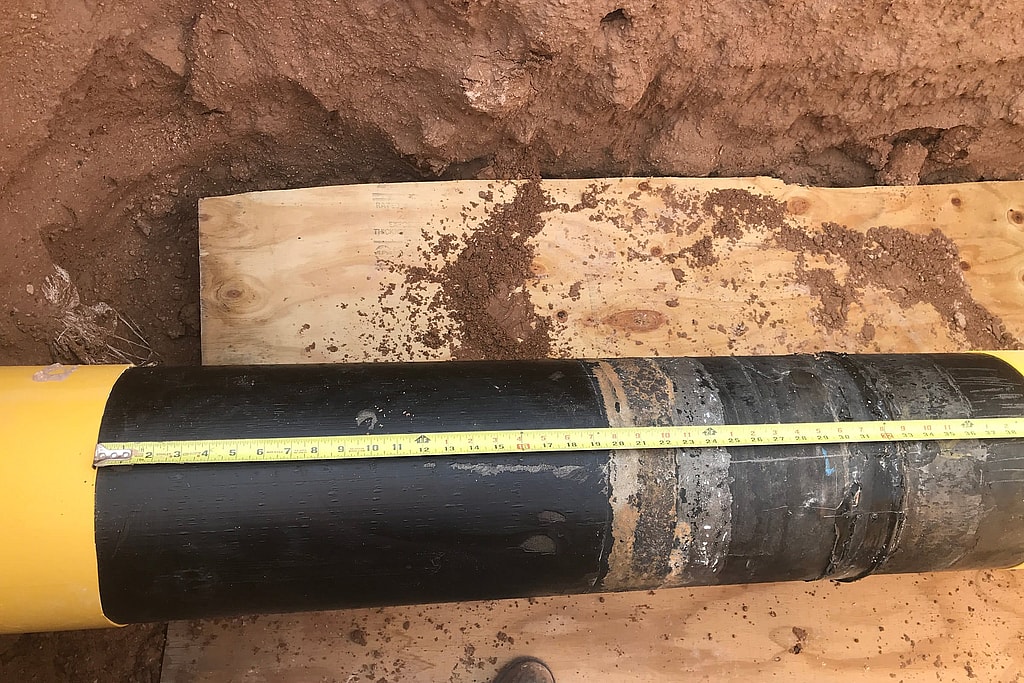
Coating repair measured at a dig
We also support in-line inspection (ILI) programs for regulatory compliance, from supervising and managing the project to reviewing and evaluating the ILI tool-run data, including magnetic flux leakage (MFL), XYZ mapping and combination tool data. We can compare the reported anomalies with your cathodic protection and coating survey data to help find their cause.
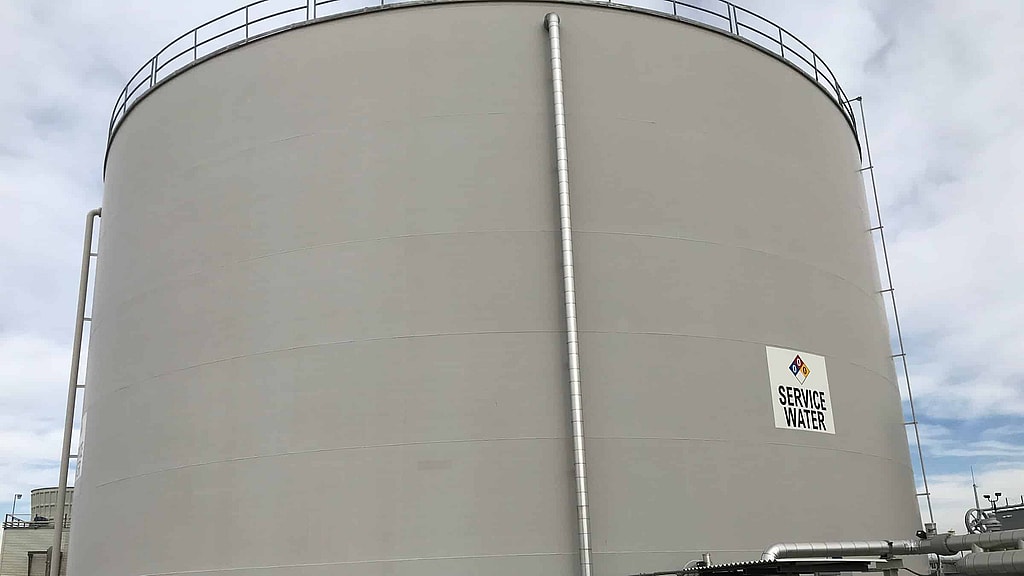
Following American Society of Mechanical Engineers (ASME) and American Petroleum Institute (API) standards, we perform fitness-for-service analysis of pipelines and tanks in support of DOT/PHMSA requirements. Reports are PE-stamped where required.
Contact us for a free quote on underground or aboveground tank or pipeline integrity services. We typically respond within one business day.
Frequently Asked Questions
What is a pipeline integrity assessment?
An engineering evaluation of whether a pipeline can keep operating safely. It identifies threats such as external and internal corrosion, measures or estimates the damage, calculates the remaining strength, and recommends repairs, pressure limits or a reassessment interval.
What is fitness-for-service?
A quantitative evaluation of whether a damaged component, such as a corroded pipe or tank shell, can keep operating safely, at what pressure and for how long. API 579-1/ASME FFS-1 is the main fitness-for-service standard, and ASME B31G gives the remaining-strength method for corroded pipelines.
Do you review in-line inspection data?
Yes. We review and evaluate ILI tool-run data, including MFL, XYZ mapping and combination tool data, and we can supervise or manage ILI projects.
Do you assess storage tanks?
Yes: underground, at-grade and aboveground storage tanks. See our Tampa tank farm assessment for an example.
Related Reading
- The Importance of Pipeline Integrity Management
Pipeline integrity management prevents corrosion failures and costly repairs. Learn why assessments, integrity planning, and steady upkeep matter.
- Pitting Corrosion: Causes, How to Identify It, and Prevention
What pitting corrosion is, why it starts, how to find pits before they leak, which metals are most at risk, and how pitted equipment is repaired.
- Crevice Corrosion: What It Is, Examples and How to Prevent It
What crevice corrosion is, how it starts under gaskets, fasteners and deposits, which metals are most at risk, and how to detect and prevent it.
- Pipeline Safety: What You Can Do To Improve It
Improve pipeline safety by knowing what causes damage (corrosion, metal fatigue, faulty parts) and the surveys and cathodic protection that prevent it.
Related Services
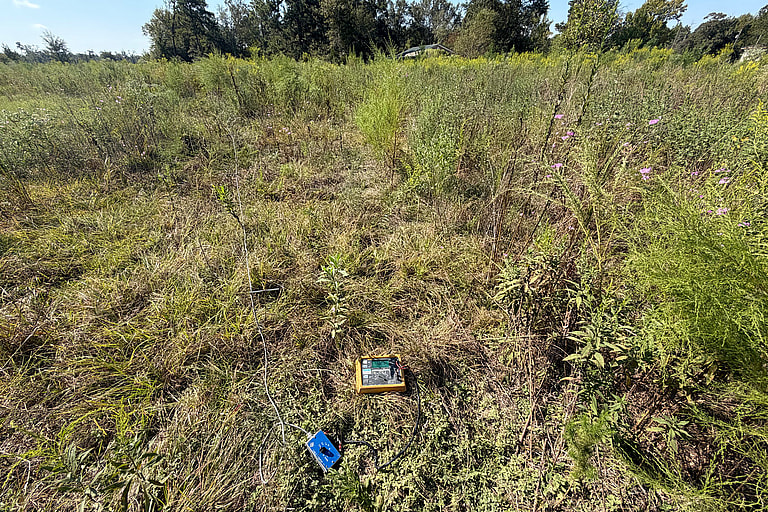
Soil Corrosivity Analysis
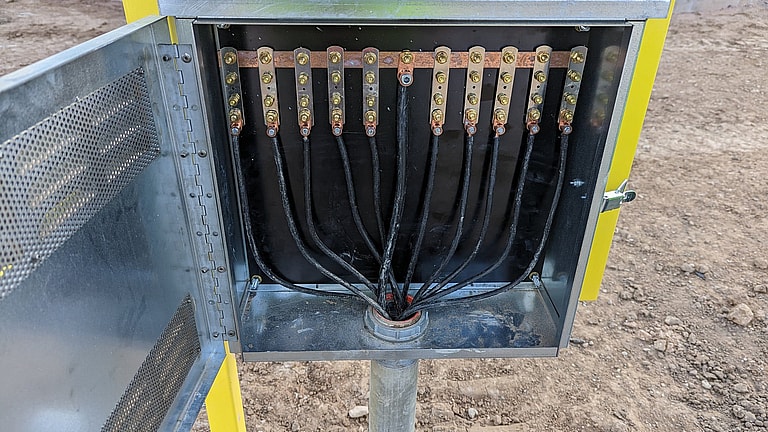
Corrosion Control Design
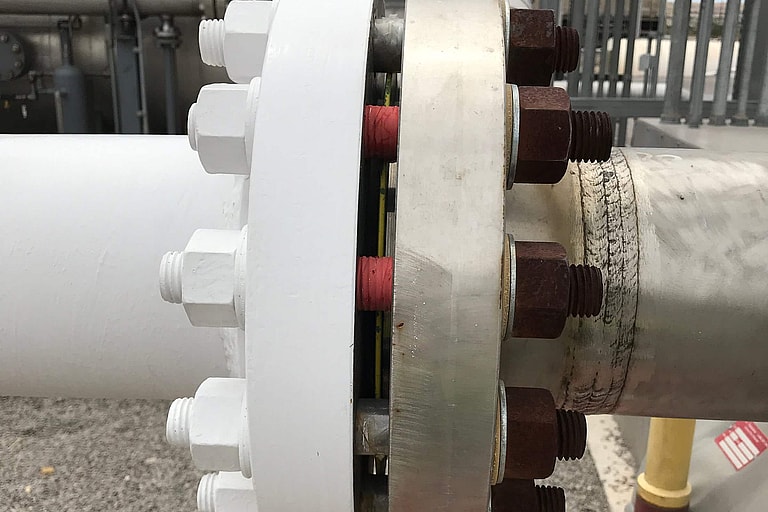
Interference Testing
Project experience
Related projects
Tampa, FL
Tampa Tank-Farm Corrosion Assessment
Tank integrity
Austin area, TX
Galvanic CP Design for a Water Storage Tank, Austin Area
CP design
Wichita Falls, TX
Fire Water Piping and Tank CP Survey at a Glass Plant, Wichita Falls
CP survey, continuity testing
El Paso, TX
Fuel Gas Line ACVG Survey and Validation Digs, El Paso
ACVG, direct examination
Get your project started
We typically respond within one business day.