Corrosion and Cathodic Protection
An Introduction to Soil Corrosion
Soil corrosion can quietly destroy buried infrastructure. How moisture, pH, aeration and temperature drive soil corrosivity, and when to test your site.
Reach out to Dreiym Engineering for any Corrosion, Electrical or Forensic Questions.
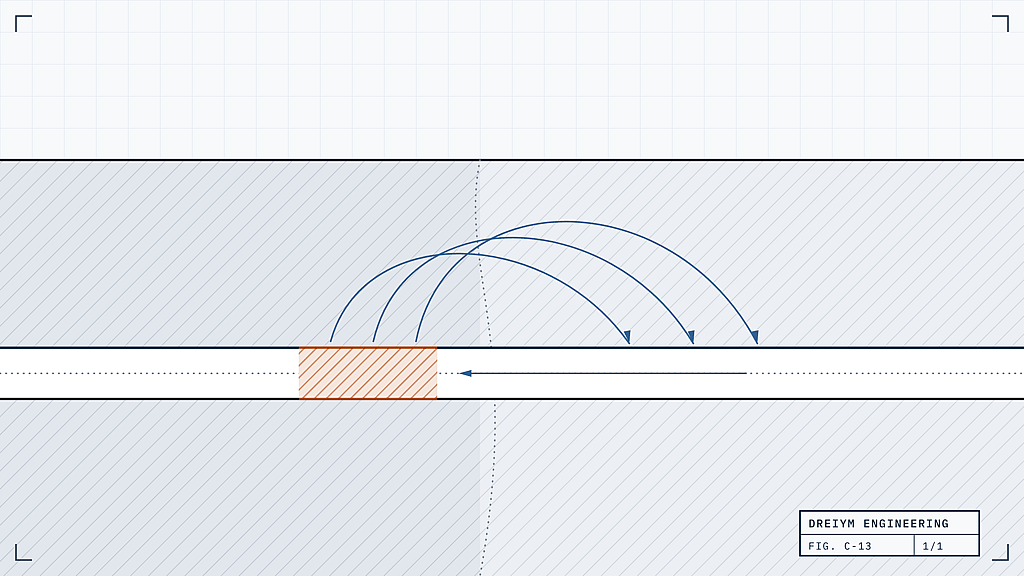
All infrastructure at least partially relies on the soil it rests in or on. Unfortunately, soil can be highly corrosive, depending on a few factors. Soil corrosion can lead to large financial burdens if you don’t identify and address it promptly and properly. If you have any concerns or questions about the soil in your project site, a good place to start is with an accurate soil corrosivity test. Then, you can work with your engineer to decide on the best corrosion prevention system based on your soil’s profile. Here is an introduction to soil corrosion and the factors that go into soil corrosivity levels.
Moisture content
The moisture content of soil is the most important factor in soil corrosivity. If the soil is completely dry, corrosion will occur slowly.
pH levels
The value that’s accepted as a “normal” pH level varies widely, but soils with the least potential for becoming corrosive generally have a pH of seven. Soils with pH levels under five are typically extremely corrosive and can lead to the premature pitting of metal infrastructure and items.
Aeration
Aeration is the amount of air trapped inside the soil. Generally, well-aerated soil is preferable, as it can lead to lower water retention rates, thus reducing the risk of the soil becoming highly corrosive.
Temperature
The temperature of the soil can also affect its corrosivity potential. The lower the temperature of the soil, the less corrosivity potential it holds. As soil temperature nears the zero degrees Celsius point, the resistivity of the soil gradually increases. As the temperature drops below that point, the resistivity begins rapidly increasing.
At Dreiym Engineering, we conduct a multitude of requested tests. For a soil corrosivity test, we head to your project site to collect soil samples. We then test them in our laboratory for pH level, moisture content, resistivity, sulfates, chlorides, and any bacteria that could potentially speed up the corrosion process on underground items such as pipelines. We also offer CP surveys, which are larger-scale surveys that analyze the long-term health and wellness of your infrastructure and employees. Call us today and discuss what options may be most beneficial for your project.