Selected Projects
Fire, Electrical Failure, and Injury Investigations Across Texas (2024-2026)
We typically respond within one business day.
Project at a glanceDE-PRJ-8113
- Practice
- Forensic
- Location
- Texas
- Service
- Fire and electrical
- Client
- Confidential
Fire, Electrical Failure, and Injury Investigations Across Texas (2024-2026)
From 2024 through 2026 we’ve carried out forensic investigations in Texas on fires, electrical failures and electrical injuries, including matters in Houston, San Antonio and the Dallas-Fort Worth area. The details of these fire and injury investigations are confidential.
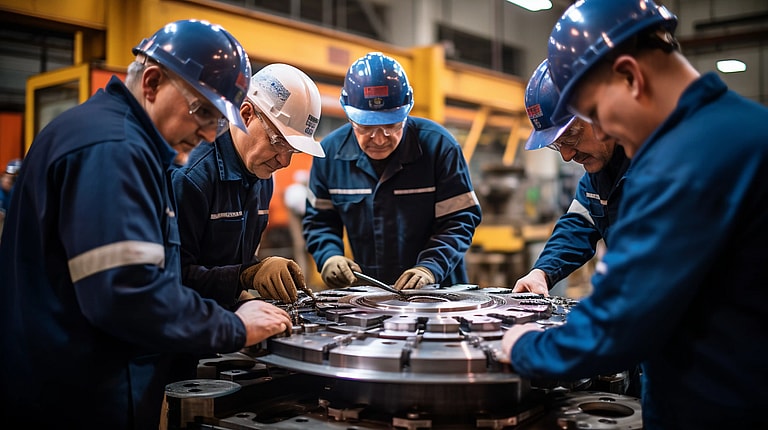
Examining a component. We document the physical evidence before anything about it is altered.
Many files open at once
Forensic assignments come in whenever a loss happens, from anywhere in the state, so many of them are open at the same time. Good engineers aren’t enough on their own with that many files going. What keeps the opinions defensible is consistency. The tenth file gets the same method as the first, and its documentation and evidence handling don’t change either.
How we work each matter
Every matter gets a systematic investigation, and where there’s been a fire, the method is consistent with NFPA® 921. We document the scene and test our hypotheses against the physical evidence. When a component needs controlled analysis, it goes to our in-house laboratory in Texas. We collect and keep evidence with spoliation in mind, so every party’s options stay open. The opinions come from licensed Professional Engineers, and we write the reports knowing they’ll be examined.
From intake to the report
With a heavy caseload, forensic work can stop being defensible without anyone noticing. So our process doesn’t depend on who happens to catch the file. At intake we write down the assignment and the parties, plus the questions we’ve been asked, and we screen for conflicts before anyone travels. Scene documentation follows the same protocol every time. We take overall photographs before anything is moved, then work progressively closer. We record the scene the way we found it, before any of it is cleared. Each item of evidence is identified and numbered. We photograph it in place and track it from the scene to storage, so anyone reviewing the file later can follow it from where it was found to where it sits now.
If an examination would alter the evidence, we coordinate it with the other interested parties instead of going ahead on our own. An examination the other parties couldn’t attend will be argued about later. Our reports always run in the same order: the assignment, what we examined and what we observed, the analysis, and then each opinion with its basis. A report built that way can be checked.
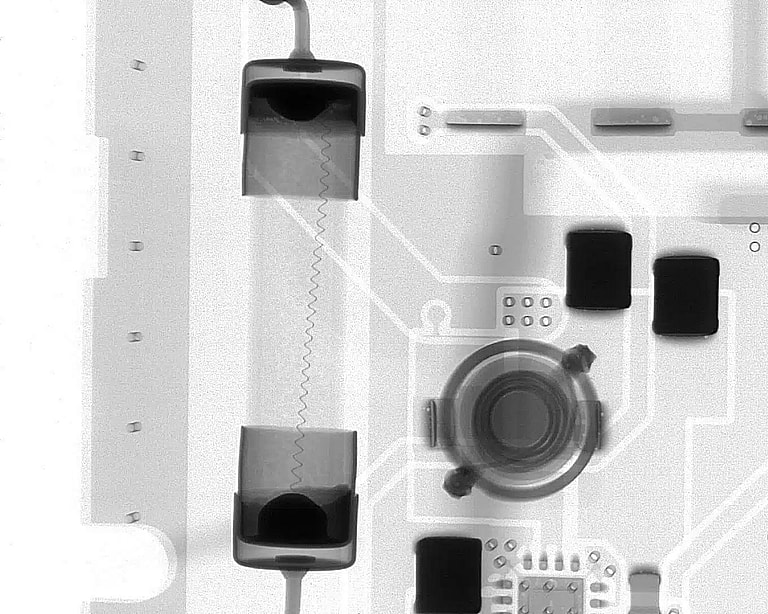
Radiographic imaging. The method depends on the question, and some questions can be answered without opening the part.
What each kind of case asks
A fire origin and cause investigation asks where the fire started and what ignited it. We follow a methodology consistent with NFPA® 921 and establish the origin first, from the fire patterns, how deep the damage goes, the effects of ventilation and the condition of the systems in the area. Only after that does it make sense to look at what in that area could have started the fire.
Electrical failure analysis is narrower. It looks at a component or a circuit to find out what failed and in what sequence, and whether the failure was a manufacturing issue, an installation issue, a misapplication, an external event or ordinary end of life. Usually the answer comes from the bench rather than the scene. We examine the part under controlled conditions and use non-destructive X-ray imaging at our laboratory.
In an electrical injury case, we’re asking how a person came into contact with energy. That means finding the source and the path, which protective devices were in place and which weren’t, and whether the installation and the work practices met what the codes and consensus standards require. The three kinds of case overlap often enough that one file can raise all three questions, which is the practical argument for keeping them under one roof.
The Texas caseload
We’ve done fire origin and cause work, electrical failure analysis and electrical injury investigations across the state. Our findings go out in written reports, and we’re available for deposition and trial testimony when a matter requires it.
Assigning a loss to us
Working the whole state means our engineers have to be able to mobilize, and the process has to hold up under volume. If you have a loss to assign, submit a forensic assignment. You can also request our CVs and rates before you send it.
Forensic
Related projects
North Texas
Built-In Gas Grill Flash Fire, North Texas
Fuel gas fire review
Louisiana
Louisiana Electrical Failure and Fire Investigations
Fire and electrical
Greater Houston, TX
Apartment Bedroom Fire, Houston Area
Origin and cause
More work in: Texas
Get your project started
We typically respond within one business day.