Consulting Areas
Lightning Damage Investigation
We typically respond within one business day.
Lightning, Power Surge or Something Else?
What a Lightning Damage Investigation Answers
A lightning damage investigation answers the question behind most lightning and surge claims: was the damage caused by lightning, by a surge or overvoltage from the utility system, or by something else, such as age, wear or a failure that was already there before the storm? It also sorts out which of the items in a claim were damaged by the event and which weren’t.
Our licensed Professional Engineers investigate lightning and power surge damage to homes, commercial buildings and industrial sites for insurers, adjusters, attorneys and owners, including claims for damaged electronics and appliances and fires blamed on lightning.
Submit an assignment or contact us for a free quote. We typically respond within one business day.
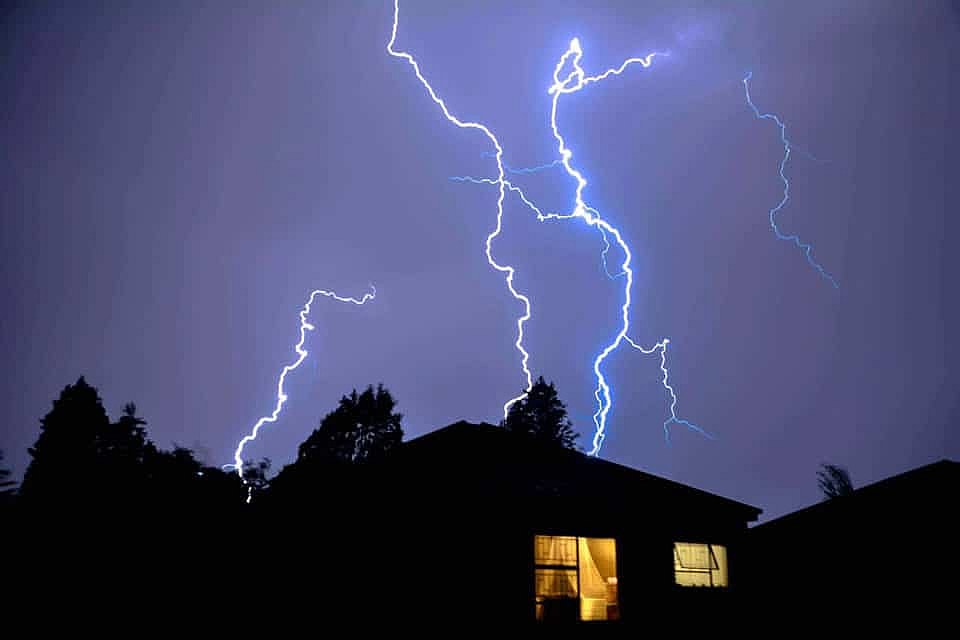
Get in Touch
Submit an assignment to get started.
Lightning, utility surge or something else
Each cause leaves a different kind of evidence:
- A direct strike hits the building or something connected to it, such as an antenna, a chimney or the service lines, and can leave physical marks where the current entered and left, such as scorching, pitting, melted metal, damaged roofing or masonry, and blown fixtures or wiring.
- A nearby strike, to a tree, a pole or the ground, can send a surge into a building through the power, phone, cable and other lines that enter it, or induce one in its wiring, without hitting the building at all. The damage tends to show up in electronics and where those lines enter.
- A utility surge or overvoltage comes from the power system itself, such as switching, a fault on the distribution line, a lost neutral or contact between higher-voltage and service conductors. These events often show up in the utility’s records and may affect neighbors on the same line or transformer.
- Something else: equipment at the end of its life, wear, overheating, water intrusion, a manufacturing defect or a failure that happened before the storm can look like surge damage at first glance.
What the Evidence Shows
We inspect the property as soon as possible, before damaged equipment is replaced or discarded, and document it as found. The evidence we look at includes:
- Entry and exit points: where the strike or surge entered the building or the system, such as the roof, a chimney, an antenna, a tree, the electrical service or a communications line, and where it left, often to ground.
- Burn and melting patterns: arc marks, melted conductors, pitted metal and burned circuit board components, compared with the patterns that overheating or a component failure leaves.
- The damage pattern: which circuits and pieces of equipment were damaged, which weren’t, and where. Damage spread across many circuits and devices, heaviest at the points of entry and the surge protective devices, fits a lightning or surge event; damage confined to a single component generally points to something that started inside it.
- The surge path through the service: the meter, service entrance, panel and branch circuits, and the communications and cable lines that enter the same building.
- Grounding and bonding: the grounding electrode system and the bonding between the electrical service, the communications and cable systems and metal piping, which affects how a surge moves through a building.
- Surge protective devices (SPDs): whether they were installed, where and of what type, and whether they failed. A failed SPD is evidence in its own right of what the system went through.
Lightning Data and Utility Records
Lightning detection networks record cloud-to-ground strokes with their time, estimated location and estimated peak current, and a report for the date of loss can show whether lightning was recorded near the property. Each recorded location has a margin of error, and networks don’t detect every stroke, so the data shows whether lightning was likely near the site, not what it damaged. We weigh it with the physical evidence and don’t let it stand in for that evidence.
Utility outage and event records can show what happened on the power system at the time: outage reports, breaker and recloser operations, failed transformers or other equipment, and trouble calls from neighbors. Where they are available, they help separate a utility event from lightning, or show that there was neither.
Electronics and Appliance Damage Claims
Many lightning and surge claims list a long run of damaged items: televisions, computers and network equipment, HVAC control boards and compressors, appliances, garage door openers, well pumps, pool equipment, gate operators and security systems. We evaluate each item on its own, documenting its make, model, serial number, approximate age and the damage we find, and compare it with what the event could have done. Surge damage often shows up in power supplies and in the ports that connect equipment to other systems, such as cable, phone and network connections. An item that failed from age or wear, or had already stopped working, is identified as such.
The result is an item-by-item opinion on which damage the event explains and which it doesn’t, and whether damaged equipment can reasonably be repaired or has to be replaced. Components that need a closer look are kept in video-monitored storage and examined at our engineering lab in Coldspring, Texas. Non-destructive examination comes first; destructive steps wait until the interested parties have had the chance to attend, and joint lab examinations are arranged when other parties need to attend.
Our article on how licensed electrical engineers evaluate electrical damage after a lightning strike covers more, and our project page describes lightning-strike and forensic electrical analyses in Charlotte, North Carolina.
When lightning or a surge is blamed for a fire, the investigation also covers the area of origin. Brian J. Brackensick, M.S., P.E. and Stepan V. Eero, M.S., P.E. are NAFI Certified Fire and Explosion Investigators (CFEI). See our fire and explosion investigation page.
Our engineers write expert reports and testify in depositions and at trial.
When you contact us, you talk directly with an engineer who can discuss your loss. Our offices are in Coldspring, Texas and Westcliffe, Colorado, and we work nationwide. Reports are PE-stamped where required, and we also accept consulting-only (non-testifying) retentions.
Submit an assignment or contact us for a free quote. We typically respond within one business day.
Frequently Asked Questions
How do you tell lightning damage from a power surge?
By the evidence. Lightning often leaves physical marks where it entered and left, and spreads damage across many circuits and through communications and cable lines as well as the power wiring. A utility surge or overvoltage enters through the power service, often shows up in the utility’s records and may affect neighbors on the same line or transformer. Wear or an earlier failure usually leaves damage confined to one component, with no sign of a surge elsewhere.
Does a lightning strike recorded near the property prove the claim?
No. Lightning detection data shows whether cloud-to-ground lightning was recorded near the site at the time, with a margin of error on each location. It doesn’t show what the lightning damaged. The physical evidence has to connect the strike to the damage, and the absence of recorded strokes doesn’t by itself rule lightning out.
Can lightning damage equipment without striking the building?
Yes. A strike nearby can send a surge through the power, phone or cable lines that enter the building, or induce one in its wiring. That is why damage is often found in electronics and at the connections between systems, while the building itself shows no marks.
Should damaged equipment be kept after a lightning claim?
Yes, until it has been examined. Keep the damaged items, any failed surge protective devices and power strips, and parts removed during repairs, and ask repair contractors to save what they replace. Photos taken before anything was moved, invoices and repair reports help too.
Related Services
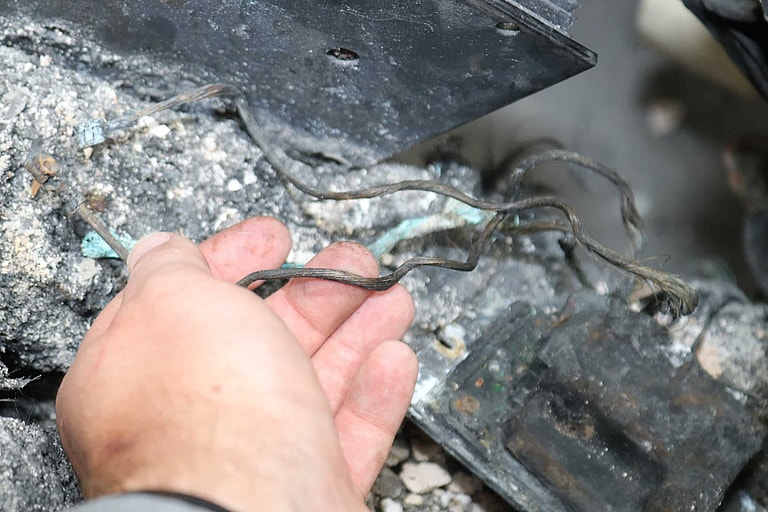
Fire Investigation
Origin and cause investigation of residential, commercial, industrial and vehicle fires.
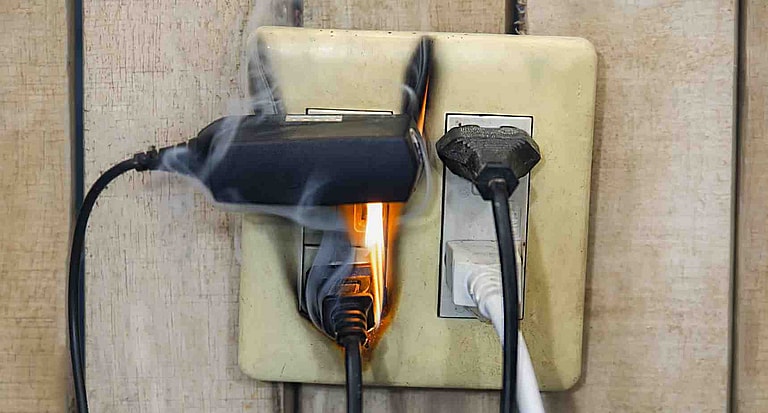
Residential Electrical
Investigation of house fires involving panels, wiring, receptacles and appliances.
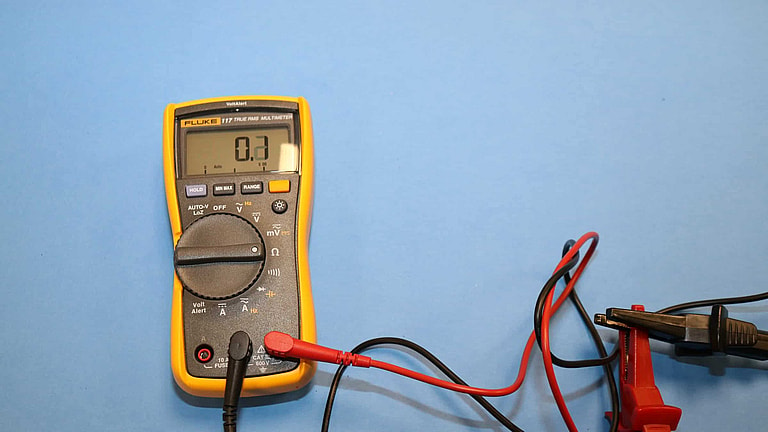
Appliance Failure
Failure analysis of HVAC equipment, dryers, refrigerators, heaters, chargers and other appliances.
Project experience
Related projects
Have a loss to investigate?
We typically respond within one business day.