How a Fire Investigation Works
Walk through how a fire investigation works, from scene documentation to lab evidence testing, and learn when to call a forensic fire investigator.
Reach out to Dreiym Engineering for any Corrosion, Electrical or Forensic Questions.
Contents
Fires can happen in any setting. They occur in industrial facilities, homes, and even commercial or public areas. The most important thing to do in a fire is to follow a fire safety plan. Everyone nearby must get to a safe location, and those who become injured will need help right away. When there are suspicions of an electrical element causing a fire, or even confusion around what caused a fire or explosion, a fire investigation takes place. Discover how a fire investigation works and the benefits it may serve a facility, home, or company.
Determining Origin and Cause Systematically
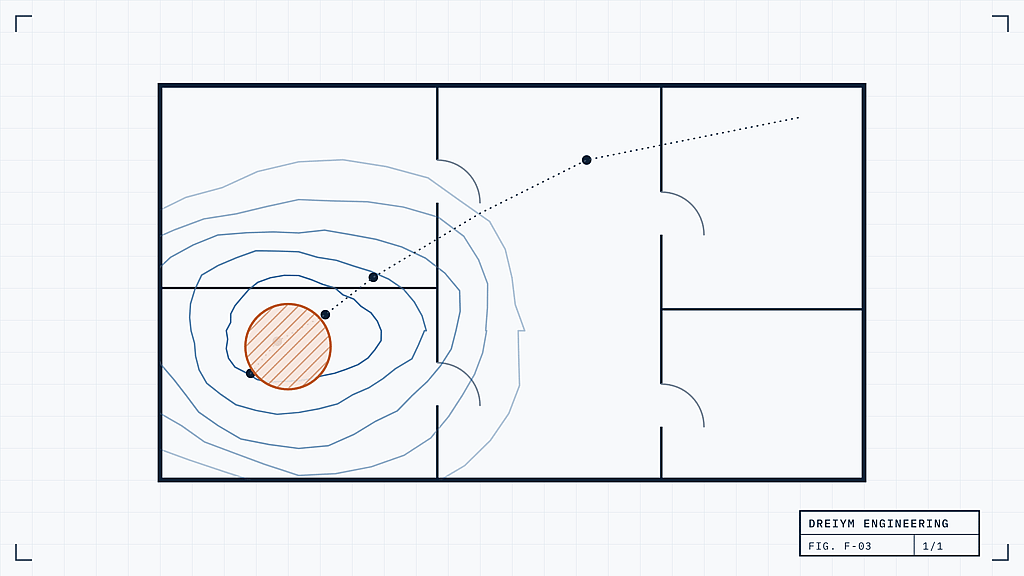
Forensic fire investigators do not begin by checking for signs of arson. Following NFPA 921, they first determine the fire’s origin and then its cause using the scientific method, without presuming any cause, an approach key to minimizing cognitive bias in fire investigation reports. Arson is one of the leading causes of fires in buildings, homes, and vehicles. If arson is determined or suspected to be the cause of a fire, a police investigator will take over and work to find the perpetrator. If arson is not the potential cause of a fire, a fire investigator must dig deeper to find answers.
Careful Documentation and Evaluation
Fire investigators evaluate the scene as quickly as possible. Fire investigators must arrive at the location of the fire immediately, as scenes can change and develop as time goes on.
The investigator identifies all potential subrogation contacts and takes photos for scene documentation. This is essential for reviewing evidence should insurance companies need it, or should a case be taken to court.
Evidence Collection, Storage, and Inspection
Once fire investigators collect all potential evidence of fire, they take it to a safe storage and testing facility. There, the investigators inspect the evidence for signs of fire-causing failures.
It is critical for many insurance companies and for attorneys to determine the root cause of the fire to find the responsible party and to prevent facility fires in the future.
An electrical fire investigation is an essential part of preventing future fires, aiding in the insurance and liability process, and helping find answers. Contact Dreiym Engineering if your facility, home, or vehicle experiences a fire, and we will send our professional team out to the scene right away. Understanding how a fire investigation works is important, but trusting the team conducting yours is the most essential part of fire investigation.