Corrosion and Cathodic Protection
How Sacrificial Anodes Function
Learn how sacrificial anodes work: the magnesium, zinc, and aluminum alloys used, how they attach to structures, and the industries that rely on them daily.
Reach out to Dreiym Engineering for any Corrosion, Electrical or Forensic Questions.
Contents
Cathodic protection is the most effective way to protect metal structures from the dangers and catastrophes that corrosion can bring. Cathodic protection is delivered either by galvanic (sacrificial) anodes or by an impressed current system with a transformer-rectifier and an anode groundbed; long pipelines, large tank bottoms and other high-current-demand or high-soil-resistivity applications are usually protected by impressed current. If you’re curious about cathodic protection, start by answering one question: how do sacrificial anodes work?
The Materials Used for Sacrificial Anodes
The material used to create a sacrificial anode is essential to the ability of the cathodic protection to repel harmful corrosion to the structure. Pure active metals such as magnesium or zinc are best for use as sacrificial anodes, although an aluminum alloy made for anode service is sometimes used.
What a Sacrificial Anode Is
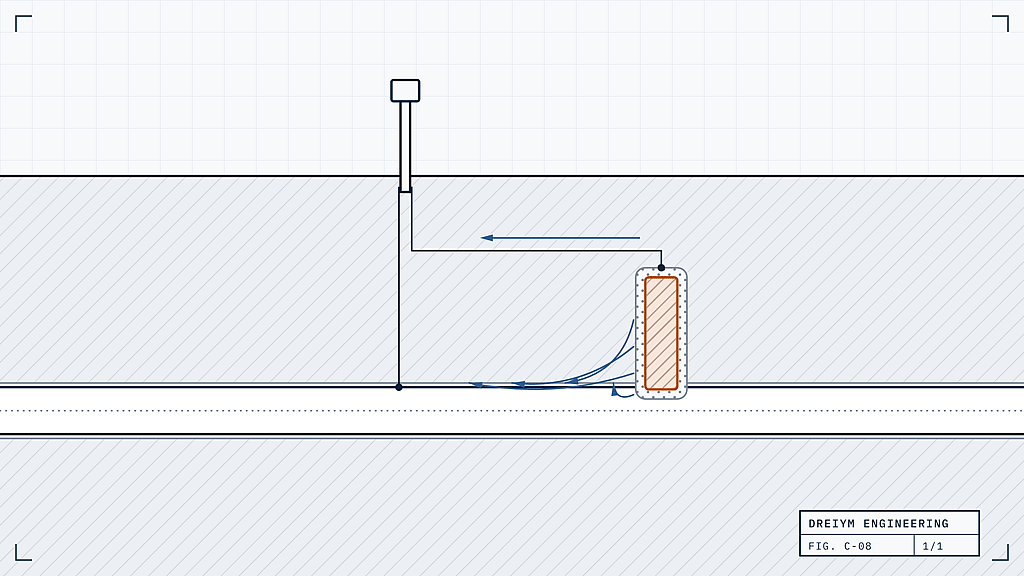
Highly active metals are applied to a metal surface to protect that structure from corroding. It is called a sacrificial anode because that anode is sacrificed for the sake of the structure as a whole. It is consumed by corrosion in place of the structure. To estimate how long a set of anodes lasts, try our cathodic protection calculator.
How They Are Applied

Sacrificial anodes are applied to the protected structure through a process involving welding or making mechanical connections with low resistance. It’s also important to insulate the connections. The strength and low resistance connections allow the anodes to be consumed in place of the structure, enabling cathodic protection to function correctly.
Industries Using Cathodic Protection
There are many industries that utilize cathodic protection to protect their structures. Here are a few examples:
- Pipelines
- Ships
- Tankers and tank structures
- Docks
- Infrastructure such as bridges
There are many other industries that benefit from investing in properly designed cathodic protection.
If you are interested in corrosion prevention done by experts in the field, contact Dreiym Engineering today. Our team of NACE-certified engineers is ready to help protect your structure. As a cathodic protection contractor, we offer quality service that includes cathodic protection, pipeline surveys, and much more.