How Licensed Electrical Engineers Evaluate Electrical Damage After a Lightning Strike
How licensed electrical engineers assess electrical damage after a lightning strike, from hidden surge failures to grounding problems.

Contents
- Direct Lightning Strikes and Indirect Surge Damage Are Not the Same
- Why Lightning Damage Often Remains Hidden
- What Engineers Examine First After a Lightning Event
- How Engineers Determine Whether Lightning Was Actually Responsible
- Protect Your Facility Before the Next Storm
- Understanding the cause of Lightning Strike Damage Is as Important as Repairing It
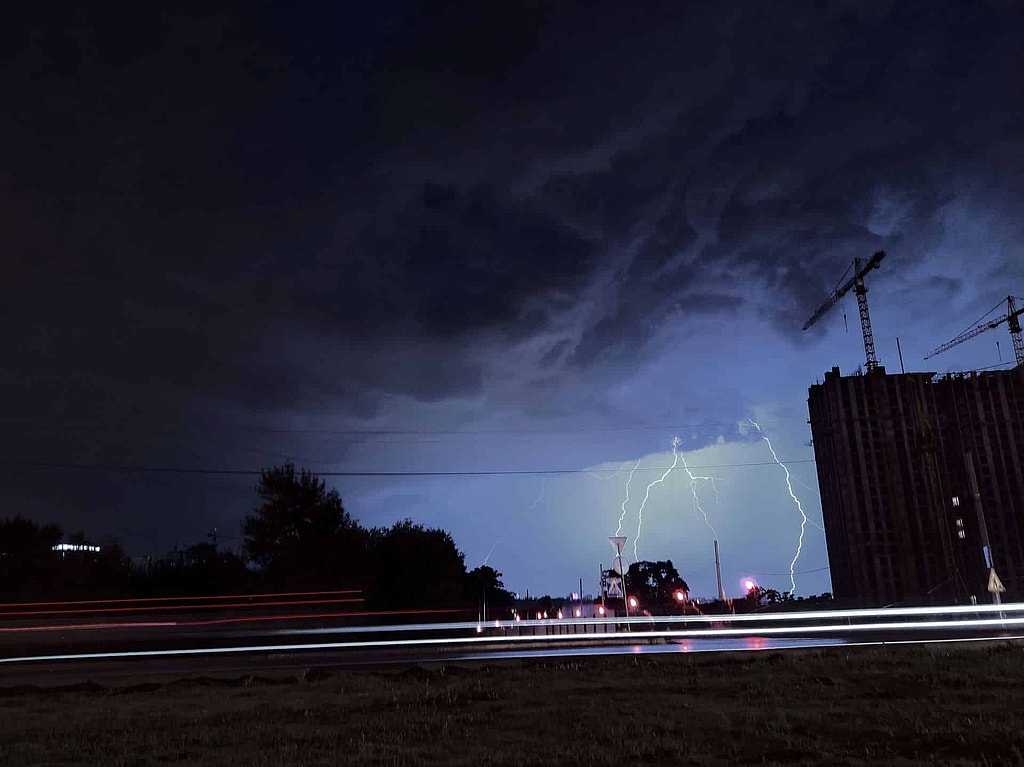
Lightning is one of the most powerful natural phenomena anyone comes across, and electrical damage after a lightning strike is not always easy to see. A single flash has around 300 million Volts and upwards of 30,000 Amps running through it. To put that in perspective, the average home current sits at 120 Volts and 15 Amps. When one of these strikes makes contact with a building, it causes problems that call for a thorough lightning damage assessment.
Related project: Wiring Loss at a Vacant Commercial Building, North Texas
See how this worked on a real job: Surge Damage to Rooftop Air Handlers, South Texas
In a split second, lightning can generate temperatures hotter than the surface of the sun, shattering nearby trees, sparking fires, and sending surges through an electrical system that can fault and damage crucial protective equipment. Even after a severe thunderstorm, a building may appear normal, but little by little, electrical panels trip, automation systems become unreliable, and a strange burning smell begins to emanate from the wiring.
Both direct lightning strikes and delayed failures are why it’s so important to schedule lightning damage investigations. Insights from licensed electrical engineers with forensic experience help assess how to ground, balance loads, and prevent damage before and after a lightning strike.
Related project: Chiller Drive Fire Analysis, Texas
Related project: Lightning Damage at a Communication Tower Site, Texas Hill Country
Direct Lightning Strikes and Indirect Surge Damage Are Not the Same
One of the most important tasks during an electrical damage assessment is differentiating between a direct lightning strike and indirect surges. Lightning loves to travel wherever there’s a conductive path. A direct strike will hit a utility pole, then likely travel to a nearby building, communications tower, or transmission line.
The problem with lightning is that, even without physically striking a building, the massive electromagnetic energy can still cause issues during the event. Powerful voltage surges can be induced in nearby electrical systems, and utility switching events during the storm produce additional transient voltages.
Grounding is also crucial. Lightning-strike electrical damage is often the result of the current moving through the building without a safe path to ground. Buried utilities, grounding systems, pipelines, and communication networks could all be put at risk by improper grounding from a strike hundreds of feet or more away.
Why Lightning Damage Often Remains Hidden
Roughly 40 million lightning strikes hit the United States each year. The good news is that the chances of an individual getting hit are pretty rare. The bad news is that the residual damage these strikes can leave is frequently invisible.
While a burned-out conductor or transformer that explodes is easy to detect, other issues, especially those caused by surge-related damage, go unnoticed for days, weeks, or even months. Those might include damage to:
- Electronic control boards
- Programmable logic controllers (PLCs)
- Variable frequency drives
- Building automation systems
- Motor windings
- Surge protective devices (SPDs)
- Power supplies
- Communication equipment
- Fire alarm systems
Just imagine what would happen if a lightning strike hit a local school and knocked out the fire alarm system, or a nearby medical facility, damaging the ICU cooling system. Operations may resume the next morning, but a few weeks later, HVAC systems shut down, equipment fails, and the risk of surge-related damage increases.
What Engineers Examine First After a Lightning Event
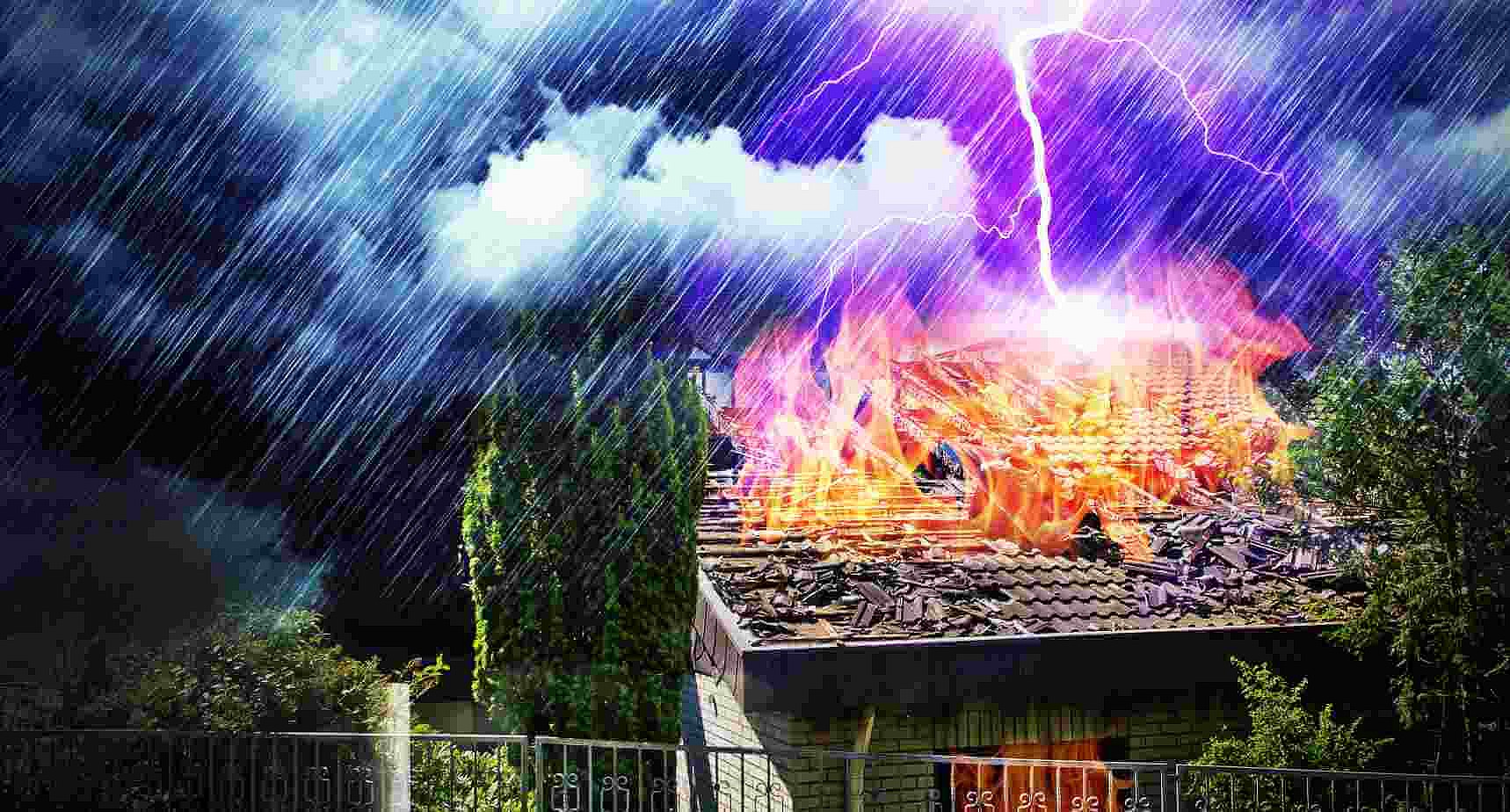
There are many specific steps in an electrical damage assessment after a lightning strike. Each is adapted to the situation to ensure complete documentation and a clear, logical flow of information that building owners, towns, insurance companies, and legal authorities can all understand.
The first thing examined is how electrical energy is distributed through the facility by reviewing the service entrance. Any incoming utility connections, switchgear, transformers, and main distribution panels can tell the tale of where the energy met the building. What electrical engineers look for is evidence of abnormal operation or overheating in items such as breakers, bus bars, conductor terminations, or surge protective devices.
From there, the forensic engineers will examine the grounding and bonding systems to determine whether fault energy was safely directed away or sent to improper locations. Then it’s a matter of examining typical damage points to sensitive equipment such as:
- HVAC equipment
- Motor control centers
- Industrial automation systems
- Production equipment
- Emergency generators
- Fire alarm systems
- Security systems
- Elevator controls
- Data centers
- Communication infrastructure
Different tools and scientific procedures are used to gain insight beyond visual observation. That can range from continuity testing to insulation resistance and even infrared examinations. When put in the context of historical operating data, maintenance records, and previous electrical repairs, a fuller picture of how the strike hit the building and where it traveled is painted.
How Engineers Determine Whether Lightning Was Actually Responsible
It’s more important to understand how the lightning strike impacted the building and the response of electrical equipment than the damage itself. That will differentiate coincidence from causation. Equipment can easily fail during a storm without lightning being responsible. Something like an aging motor may simply fail because that was its time, and the lightning had nothing to do with the result.
During any lightning strike or surge damage evaluation, the team you hire to assess the situation needs to operate without making assumptions. It’s more a matter of evaluating multiple sources of evidence, such as burn patterns, arc marks, melted conductors, damaged insulation, and failed protective devices. Those will tell you more about the cause and the timeframe, as well as whether there was underlying, long-term deterioration.
After the investigation, all aspects of the lightning damage must be properly documented. Insurance companies want as many details as possible to assess what should be paid out for repairs and who should be held responsible. There are also occasional legal proceedings, warranty discussions, and regulatory reporting.
The final stage is identifying opportunities to improve system resilience. Most locations prone to lightning strikes will see a future event. Being able to modify portions of the electrical distribution system is crucial for future transient events, but it must be accompanied by documentation so that maintenance teams and facility planning have a foundation to build from.
Protect Your Facility Before the Next Storm
There is no way to 100% avoid the risk associated with a lightning strike or nearby resulting damage. The goal is to be proactive and have safety systems in place that mitigate the risk as much as possible. That includes:
- Always schedule a professional electrical damage assessment after a lightning event, even if nothing appears to be damaged.
- Periodically replace and inspect surge systems and protective devices under varying operating conditions.
- Make sure you have electrical distribution equipment in place for preventive maintenance and, if possible, remote monitoring.
- Maintain clear records, diagrams, and maintenance reports to support future expansions and investigations.
- Always pay close attention to any recurring breaker trips or unexplained equipment resets.
- If a lightning protection system is warranted, have it designed and installed as a complete system in accordance with NFPA 780: strike termination devices at the highest points and along ridges, interconnecting roof conductors, at least two widely separated down conductors (more as the building perimeter and roof configuration require), a grounding electrode at each down conductor, bonding of the building’s grounded systems and metal bodies to the lightning protection system, and surge protective devices at the service and at critical equipment. Strike termination devices installed without a compliant path to earth and proper bonding do not protect a building; they give lightning a preferred attachment point and then leave the current to find its own way through the electrical, piping and communications systems.
Most home or commercial building insurance providers will give you clear instructions. They’ve worked with other properties in the area and know what is typical and how best to protect those systems from significant risk.
Understanding the cause of Lightning Strike Damage Is as Important as Repairing It
Lightning events may be rare, but they can have lasting effects on electrical systems, especially when damage goes unnoticed. Being proactive and hiring an expert team to conduct pre-inspections and post-investigations goes a long way toward keeping your building and systems safe.
At Dreiym Engineering, we have over 30 years of combined experience as professional, licensed electrical engineers. We’re often called in after a strike occurs, conducting clearly documented investigations that uncover the source for insurance companies, private businesses, industrial sites, residences, and legal authorities.
Before the next strike hits your building, give us a call and let’s discuss the state of your electrical system and grounding, and the preventive measures we can put in place to protect your location.