Consulting Areas
Industrial Fire Investigation Services
We typically respond within one business day.
Fire and Explosion Investigation at Industrial Sites
An industrial fire investigation determines where a fire or explosion at a plant or industrial site started and what caused it: the ignition source, the fuel and the circumstances that brought them together. At an industrial site, the answer usually involves equipment, processes, maintenance and the work going on at the time. It decides whether a product, a contractor, an installation or another party was responsible, and whether an insurer has a subrogation claim.
Our licensed Professional Engineers investigate fires and explosions at manufacturing plants, process facilities, oil and gas facilities and other industrial sites, for insurers, adjusters, subrogation counsel, attorneys and owners. Evidence is documented at the site, kept in video-monitored storage and examined at our engineering lab in Coldspring, Texas.
Submit an assignment or contact us for a free quote. We typically respond within one business day.
Industrial Ignition Sources
Industrial fires often involve more fuel, more stored energy and more equipment than a fire in a house or an office, and more parties with a stake in the answer. The sources we evaluate include:
- Electrical distribution and motors: switchgear, transformers, motor control centers, panelboards, feeders, motors, drives and controls.
- Process equipment: dryers, ovens, furnaces, heaters, conveyors, dust collectors and other equipment that heats, moves or processes material.
- Combustible dust: dust from materials such as wood, grain, sugar, plastics and some metals, which can explode when enough of it is suspended in the air and ignited.
- Hot work: welding, cutting, grinding and torch work, and the sparks and hot slag they throw.
- Flammable liquids and gases: leaks and releases from tanks, piping, hoses and fittings.
- Mechanical and fuel gas sources: overheated bearings and other friction sources, burners, and fuel gas piping and equipment, evaluated with the associated engineers we work with.
Electrical equipment failures are covered in more detail on our electrical failure analysis page.
How We Investigate an Industrial Fire
Our investigations follow a systematic approach consistent with NFPA 921, Guide for Fire and Explosion Investigations. We get to the site as soon as possible, work with the facility on access and safety, and document the scene as found before equipment is repaired, restarted or removed. The fire patterns lead back to an area of origin, and each potential ignition source in that area is tested against the physical evidence.
Explosions are investigated the same way, with added questions: what kind of explosion it was, such as a fuel gas or vapor explosion, a combustible dust explosion or the failure of a pressure vessel, what fuel or energy was involved, what ignited it, and how the direction and extent of the damage point back to its origin. A typical investigation includes:
- Scene documentation and photography, including the positions of equipment, valves, switches and breakers, and control settings as found.
- Collection of records that may matter: process and control system data, alarm and event logs, operating procedures, maintenance records and work orders, hot work permits, and camera footage.
- Examination of the electrical distribution system and the equipment in the area of origin, with arc mapping where the wiring allows it.
- Identification of the equipment, products and contractors involved, for potential subrogation.
- Evidence collection under a protocol agreed with the interested parties, video-monitored storage and examination at our engineering lab in Coldspring, Texas. Non-destructive examination comes first; destructive steps wait until the interested parties have had the chance to attend, and joint lab examinations are arranged when other parties need to attend.
- A written report, PE-stamped where required, that states what we examined, what we found and the basis for each opinion.
An industrial loss can also involve the facility’s own incident investigation and a regulatory investigation, for example by OSHA. Those look at the incident from their own angle; our work focuses on the origin and cause of the fire or explosion and on responsibility for the loss, and we coordinate site access and evidence handling with the other investigators. See our fire and explosion investigation page for how we handle other types of losses.
Our fire investigations are led by licensed Professional Engineers with active and past licensure in multiple states. Brian J. Brackensick, M.S., P.E. and Stepan V. Eero, M.S., P.E. are NAFI Certified Fire and Explosion Investigators (CFEI) and Certified Vehicle Fire Investigators (CVFI).
Our engineers write expert reports and testify in depositions and at trial.
When you contact us, you talk directly with an engineer who can discuss your loss. Our offices are in Coldspring, Texas and Westcliffe, Colorado, and we work nationwide. Reports are PE-stamped where required, and we also accept consulting-only (non-testifying) retentions.
Submit an assignment or contact us for a free quote. We typically respond within one business day.
Frequently Asked Questions
What causes industrial fires and explosions?
Common sources include failures of electrical equipment and motors, hot work, overheated process and mechanical equipment, combustible dust, and leaks of flammable liquids and gases. Which one applies is decided by the evidence in the area of origin, not by how common it is.
What is a combustible dust explosion?
Many solid materials, such as wood, grain, sugar, plastics and some metals, produce fine dust that can explode when it is suspended in the air in an enclosed space and ignited. A small first event can shake loose dust that has settled on beams and equipment and lead to a larger secondary explosion. The investigation looks at where the dust came from, how it was dispersed, what ignited it and how the explosion spread through the equipment and the building.
Can the facility start repairs or restart equipment before the investigation?
Talk to the insurer first. Safety comes first, but the area of origin and the equipment involved should be documented, with the interested parties notified, before they are repaired, restarted or removed. If equipment has to be moved or de-energized for safety, photograph it first and record who did it and how. That is why we get to industrial sites as soon as possible.
How does your investigation relate to an OSHA investigation?
They are separate. A regulatory investigation looks at the incident from a workplace safety and compliance standpoint. Our investigation looks at the origin and cause of the fire or explosion and whether a product, a contractor or another party was responsible, for insurers, attorneys and owners. Both often rely on the same physical evidence, so access and evidence handling are coordinated.
Related Services
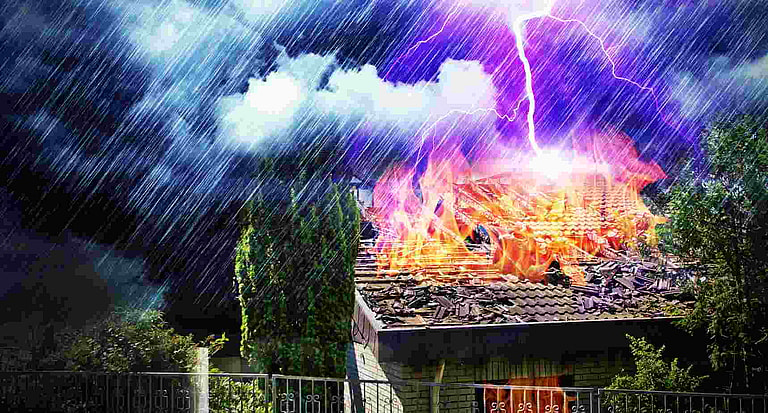
Lightning / Surge Damage
Evaluation of lightning and power surge claims for damage to wiring and equipment.
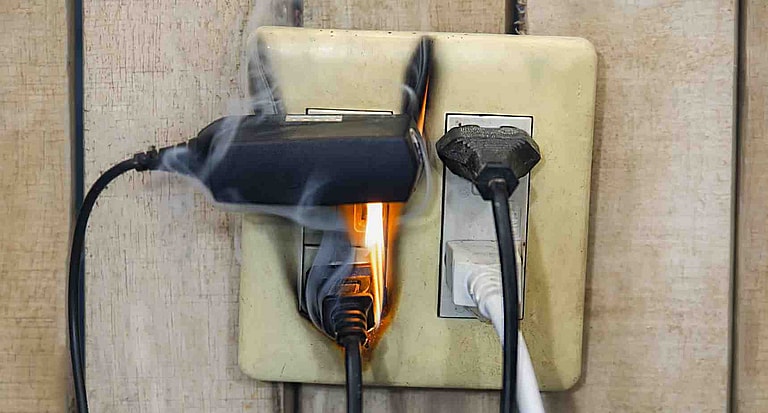
Residential Electrical
Investigation of house fires involving panels, wiring, receptacles and appliances.
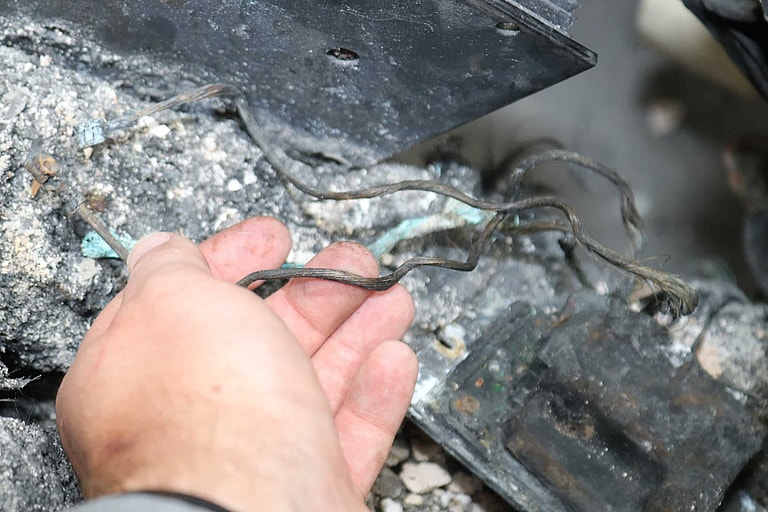
Fire Investigation
Origin and cause investigation of residential, commercial, industrial and vehicle fires.
Project experience
Related projects
Have a loss to investigate?
We typically respond within one business day.