Professional Insights: Best Practices in Pool Bonding
Understand pool bonding requirements under NEC 680.26, from perimeter surfaces to the pool water bond, and what engineers test during pool inspections.
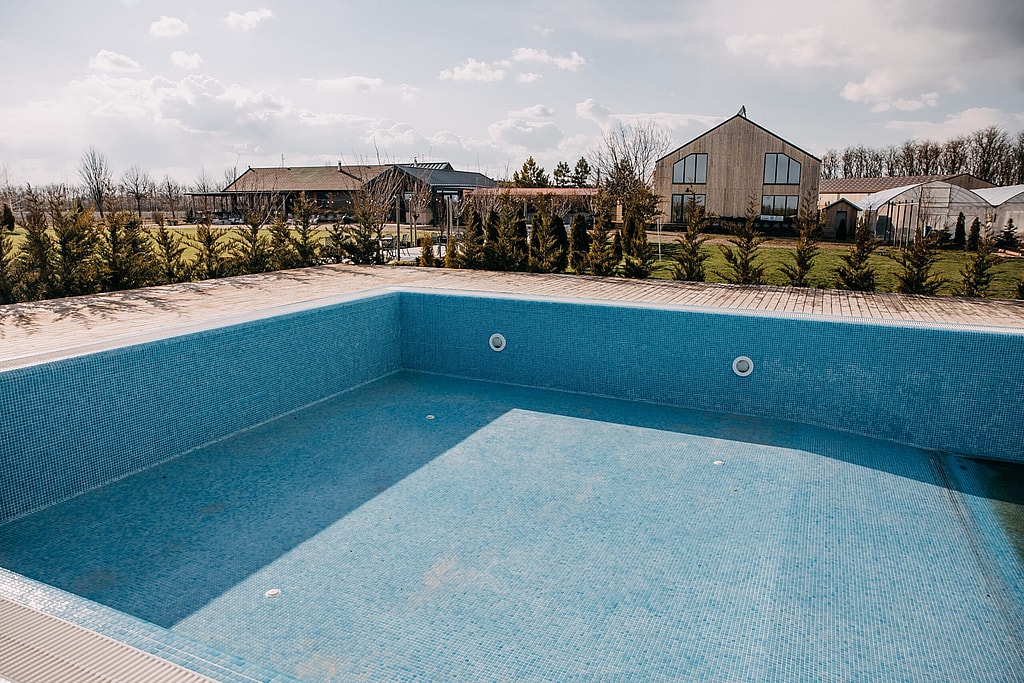
Contents
Understanding Pool Bonding Requirements
Pool Bonding: Ensuring Safety and Compliance According to the National Electrical Code® (NEC®)
When it comes to the safety of swimming pools, proper bonding is a crucial aspect that nobody can overlook. Pool bonding involves connecting metal components within and around the pool to establish a common electrical potential, thereby reducing the risk of electrical shock. This article explains pool bonding requirements in detail. It covers what you need to bond and the relevant sections of the National Electrical Code (NEC).
Key takeaways
- Pool bonding connects the metal parts in and around a pool to a common electrical potential to reduce the risk of shock.
- The equipotential bonding requirements are in NEC Section 680.26, and their goal is to reduce voltage gradients around the pool.
- The pool shell, the perimeter surface within 1 m (3 ft) of the edge, metal components, underwater lighting, metal fittings and pool equipment all have bonding rules.
- Every property should have only one grounding and bonding system, and it should be electrically continuous.
- Requirements can differ between jurisdictions, so check with a locally licensed professional.
Related project: Pool and Splash Pad Bonding Inspections, Austin
We write this article from the point of view of an engineer/inspector, performing pool inspections in Texas. Other jurisdictions can have different requirements, and it’s always best to speak to a locally licensed professional.
Why Pool Bonding is Essential
Bonding is a safety measure designed to prevent electrical shock. It keeps all metal components within the pool environment at the same electrical potential. Without proper bonding, these components can sit at different potentials. Dangerous currents could then pass through the pool water or other conductive surfaces, posing serious risks to swimmers.
NEC References for Pool Bonding
The NEC provides detailed guidelines on pool bonding in Article 680: Swimming Pools, Fountains, and Similar Installations; the equipotential bonding requirements are in Section 680.26. Key sections include:
Article 680.26(A): Performance
This section sets up the equipotential bonding requirements. The goal here is to reduce all voltage gradients around the pool structure. Think of this as the overarching goal of this section. It’s important to stop and recognize these types of goal-setting code sections and make sure to keep it in mind when you read the rest of this code portion or when constructing or inspecting a pool.
For instance, if an independent concrete slab were around the pool and connected to the residence’s ufer/slab grounding system only, and then the immediate vicinity around the pool connected to an ungrounded bonding-only system out to the 3′ requirement? The result would be the potential for voltage gradients across the interface. It would be wise not to construct it that way. In such a case, a prudent action would be to ground the bonding system. Dreiym recommends this for almost all cases, but consult your designing engineer.
The figure below shows what equipotential bonding does for a person in and around the pool when something goes wrong.
Climbing out, the feet are in water raised by the fault and the hands are on a rail that is not bonded to it. The difference drives current through the body.
Where the person is
Equipotential bonding
Voltage between hand and feet, each case
| Where the person is | Bonding off | Bonding on |
|---|---|---|
| On the deck, hand on the rail | 0.3 V | 0.1 V |
| Climbing out on the ladder | 8.0 V | 0.2 V |
| In the water, hand on the edge | 6.5 V | 0.2 V |
| Swimming away from the wall | 0.6 V | 0.1 V |
Article 680.26(B): Bonded Parts
Here, the NEC details the bonding of perimeter surfaces. It describes the methods and materials that must be used to bond perimeter surfaces within 1 m (3 ft.) of the pool‘s edge.
Article 680.26(B)(1): Pool Shell
You must bond the pool shell, and it must consist of either (a) structural reinforcing steel or (b) 8 AWG bare solid wire. If a non-conductive compound encapsulates the steel, the NEC requires a copper conductor grid. Once a shell is in place, it can be difficult to certify that no non-conductive compound coats the steel. It can also be hard to confirm that any paints used are ionically conductive. Some pools use coated reinforcing steel for long-term corrosion protection. If you have coated rebar, a copper grid should be used to supplement the pool shell’s bonding system.
Quick Note: Corrosivity of the Rebar in Concrete Saturated with Water and Chlorine
As an aside, the combination of uncoated rebar along with ionically conductive interior paints may reduce the life of a concrete pool. The cause is corrosion attacking the rebar. Concrete’s alkaline nature does reduce this effect for a good period of time, but not indefinitely. Metal corrodes when it gives off conventional electrical current into an electrolyte. This type of reaction happens naturally between steel rebar and copper, with the steel corroding and the copper being cathodically protected through galvanic action, and can be accelerated by the presence of pool water.
If you wish to prolong the life of a concrete structure, we suggest proper protection of the rebar. With a pool, adequate water conductivity can be achieved with a water bond fitting, which can also be inspected and replaced periodically. Dreiym routinely consults with businesses and owners who are experiencing corrosion on a concrete structure’s steel supports.
If you wish to construct a new pool, ask your builder about non-conductive coatings on the steel reinforcement. We recommend leaving the upper decking uncoated, to allow for proper surface voltage gradient reduction, but be advised you may be required to install a copper grid extending out beyond the immediate decking as discussed later in this article, instead of a simple copper loop.
Article 680.26(B)(2): Perimeter Surface
A perimeter that extends out 1m (3 ft.) around the pool must surround the pool shell. You can achieve equipotential bonding in this area with a few methods.
- Structural reinforcing steel, such as in a concrete walkway. The concrete needs to be bonded to the pool bonding and grounding system.
- A copper ring. Sometimes we refer to that as a “halo”, this copper ring must be connected to the pool at four locations. This ground ring must be 18 in to 24 in from the inside of the pool, and buried at a depth of 4 to 6 inches.
- When the pool shell is encapsulated in non-conductive materials, you are required to install a copper grid around the pool instead of a copper ring. This helps voltage gradients on the outside of a pool, when the pool shell itself may be electrically insulated from the ground. Note that it is not always possible to tell if the shell itself is encapsulated in a non-conductive material, with the decking rebar left bare (to allow for grounding connections). Engineers can perform certain types of tests to check for this, but this ultimately may come down to a judgment call by the engineer utilizing impressed faults around the pool.
Article 680.26(B)(3): Metallic Components
In our inspections, people often overlook this one. There can be many sources of metallic components around a pool. The obvious ones are water fall features, handrails, chair supports, umbrella supports, etc. These components should be attached to the ground system with a listed and rated connection, or preferably by exothermic weld. We recommend coating the welds to prevent bi-metallic corrosion of the connection. Save all receipts and charge bodies for inspection if required.
Article 680.26(B)(4): Underwater Lighting
A major reason to empty the pool for an inspection is the lighting. The inspector has to confirm that several different items on the lights comply. Proper grounding and bonding fall under that in this section.
Article 680.26(B)(5): Metal Fittings
You must bond metal fittings. Fittings can vary, and there is an exception for very small metal pool fittings (<4 inches in all dimensions) that do not penetrate the pool shell more than 1 inch. These types of small fittings can be common in certain purpose-built pool accessories, like pool cover anchors.
Article 680.26(B)(6): Electrical Equipment
All pool equipment must be bonded. There are some exceptions for double-insulated water pump motors and very large pool water heaters. Some equipment will have a bond point and a ground point. Be sure to carefully review the installation manuals of equipment.
This section includes some notes on how to connect motor equipment when the bonding system and grounding system are not electrically connected. We consider this a dangerous condition. Every property should have only one grounding & bonding system, and they should be electrically continuous. In performing forensic engineering assignments, we see people shocked or electrocuted due to separate grounding & bonding systems. Proper engineering and design considerations can prevent circulating ground currents without the electrical separation of grounding systems. The grounding of the bonding system may need to be done by a licensed electrician in your jurisdiction, not a pool contractor. People often overlook this item when the construction work has no electrician. A pool contractor without an electrician license should not perform this grounding work. Done incorrectly, it can be dangerous.
Separate Bonding and Grounding Systems
We have not yet seen a pool where someone separated the bonding and grounding systems on purpose. This intersystem electrical grounding connection should only happen in one location, preventing circulating ground currents. If someone has separated the bonding and grounding systems, a licensed electrician should confirm the proper grounding of pool equipment where required prior to any inspections.
If you decide to keep a separate grounding and bonding system, the grounding system should only be worked on by a licensed electrician. Some jurisdictions allow non-electricians to work on pool bonding systems, but not on pool grounding systems. A licensed electrician should carefully check the pool pumps proper grounding on a separated system before any inspections. If you have a concrete slab around the pool structure that extends toward the home, the bonding system should be grounded to prevent voltage gradients between the slabs.
Article 680.26(B)(7): Fixed Metal Parts
This is another catch-all. It requires the bonding of fencing, metal doors, metal window frames, metal awnings, and other similar metal structures in the area. Also sometimes overlooked are landscaping features, such as rock barriers. Again, we recommend exothermic welding where possible.
Article 680.26(C): Pool Water
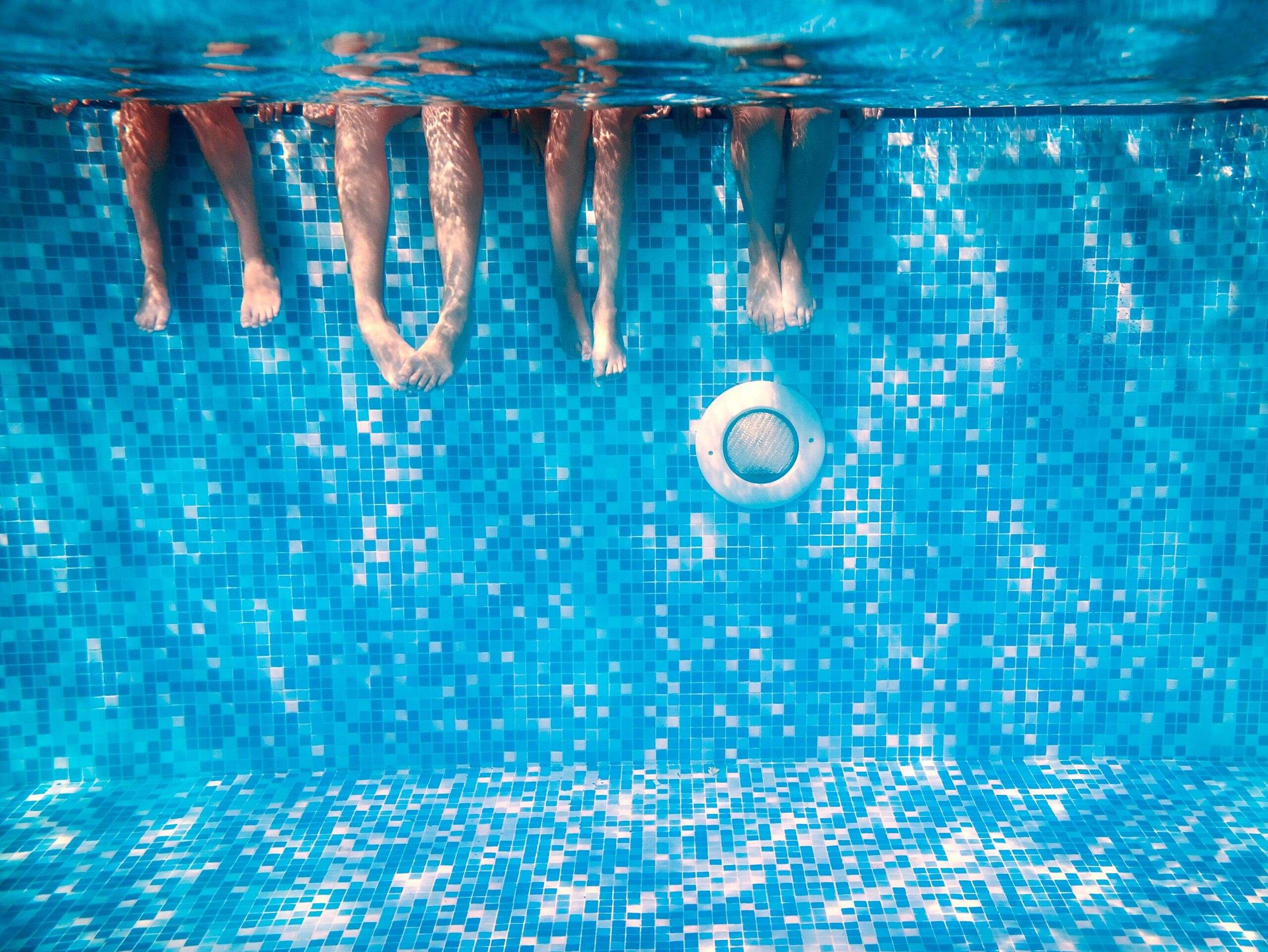
This section deserves an article of its own. The pool’s bonding system must be in “direct connection with the pool water”. The language can be vague and frustrating to many when it comes to the shell itself being the water bond. This most often comes down to a judgment call on the project. The question is whether other metallic structures or the pool shell is sufficient. We recommend installing one before any inspections, because they are cheap and fast to put into place. If an inspector finds numerous other bonding issues, they will likely require a separate water bond for safety. This provides an inspectable and repairable water bonding feature for the pool. This added water bond can also allow for additional stray voltage testing in the future.
Testing
Testing these systems takes several steps.
- Empty the pool
- Expose the ground ring/grid at four locations around the pool. This includes the connection point and connection clamp used.
- Remove all lights from their sockets
With these tasks complete, an engineer can trace conduits, inspect lighting, and measure bonding resistances throughout the system. It takes several specialized tools to confirm correct construction of the pool.
Engineering Assessments
If an engineer identifies many defects in a pool’s grounding/bonding system, they may need to see additional items beyond the National Electrical Code to achieve a safe installation. Think of it like a civil engineer putting additional supports under a support beam that worries them. The goal here is to be careful, and make sure that the pool is safe for years of use. Unlike a sagging support beam, poorly functioning grounding and bonding systems usually show no sign until an injury happens. If the inspection shows problems with what can still be seen and inspected, the inspector’s concerns will naturally turn to what they can no longer see. Thankfully, many installations have relatively inexpensive options. These do not require the complete removal of a pool’s concrete shell.
Conclusion
Understanding and complying with pool bonding requirements is essential for ensuring the safety of swimmers and the proper functioning of pool equipment. By following the NEC guidelines, property owners and pool installers can create a safe swimming environment. Such an environment minimizes the risk of electrical hazards.
For more detailed information and specific installation practices, always refer to the latest edition of the National Electrical Code and consult with a licensed engineer.