Why Dust, Dirt, and Contamination Can Cause Electrical Equipment Failure
Dust, metal fines, and damp residue can lead to electrical equipment failure. Learn the 5 ways it happens and why compressed air can make it worse.

Contents
- Why Electrical Room Safety Depends on Environmental Conditions
- How Contaminants Get Inside Electrical Equipment
- 5 Ways Contamination Can Cause Electrical Equipment Failure
- Which Facilities Are Most at Risk of Electrical Equipment Contamination?
- Cleaning Electrical Equipment Safely, and When It Isn’t Enough
- Protect Your Electrical Infrastructure Before Contamination Causes Failure
Dust is everywhere. Even a brand-new building with the latest filters can still have dust hanging around. Turn on a fan at a local workstation, and that dust flies into places you never want it to. Some of it ends up inside electrical gear, and over time that can lead to electrical equipment failure.
Key takeaways
- Under OSHA 29 CFR 1910.303, busbars, wiring terminals, insulators and other internal parts must not be damaged or contaminated.
- Electrical equipment is built for a particular set of operating conditions, so a change in how a space is used should prompt a check of the equipment in it.
- Enclosures are rated for what they keep out, by NEMA® Type in the U.S. and by IP code under IEC 60529 internationally.
- Conductive dust can create unintended electrical paths, and a damp, dirty film can carry leakage current and burn a tracking path across insulation.
- A common rule of thumb in motor repair is that every 10 °C of extra operating temperature can cut insulation life roughly in half.
Related project: Wheel Loader Rear Camera Failures, Central Texas
A commercial building is full of equipment that can collect dust: electrical panels, motors, transformers, and control systems. Airborne particles swirl into this equipment, where they can get in the way of cooling and damage insulation. Sometimes they contribute to a shutdown that leaves you with a ton of downtime.
Even the Occupational Safety and Health Administration (OSHA) deals with contamination in its electrical rules. Under 29 CFR 1910.303, busbars, wiring terminals, insulators, and other internal parts must not be damaged or contaminated by foreign materials such as paint, plaster, cleaners, abrasives, or corrosive residues.
The same section also keeps equipment out of damp or wet locations, away from gases or vapors that deteriorate it, and out of excessive temperatures, unless it’s approved as suitable for that environment. Both rules apply no matter when the equipment was installed.
Why Electrical Room Safety Depends on Environmental Conditions
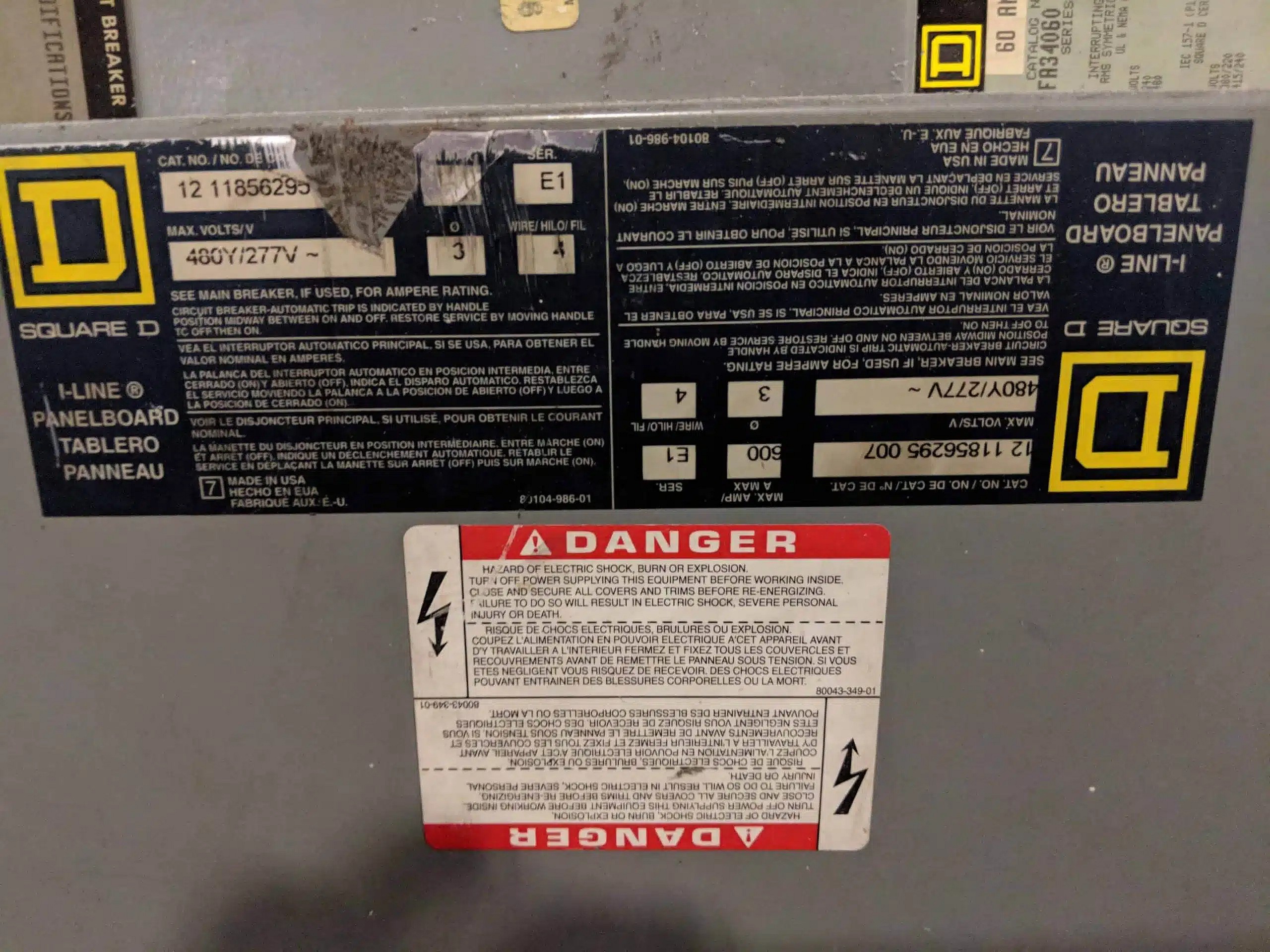
Electrical equipment is built for a particular set of operating conditions. When manufacturers design it, they consider temperature, humidity, ventilation, and what else is likely to be around it. Take a standard indoor electrical enclosure. It isn’t necessarily meant to handle heavy industrial dust or chemical vapors. That doesn’t mean it was badly designed, just that it wasn’t made for that kind of exposure.
Anytime a facility changes how it uses a space, someone should check whether the equipment already there, and anything new going in, suits the new conditions. Say a storage area becomes a woodworking shop. Now there’s sawdust in the air, and it can get into the electrical system. The wiring and panels are the same as before, but they’re working in a tougher environment.
How Contaminants Get Inside Electrical Equipment
Never underestimate dust’s ability to sneak into an electrical enclosure that looks sealed. Something that is “sealed” may not be “dust-tight.” Particles get in through ventilation openings, cable entries, open knockouts, damaged gaskets, and doors that weren’t closed properly. If the equipment uses forced-air cooling, the fans can pull airborne dust right into sensitive components.
Enclosures are rated for what they keep out. In the U.S., that’s the NEMA® enclosure Type, and internationally it’s the IP code under IEC 60529. Compare the rating on the nameplate with the dust and water in the room. An IP code doesn’t cover corrosion, solvents, or condensation, though.
5 Ways Contamination Can Cause Electrical Equipment Failure
1. Dust Accumulation Restricts Cooling
Most electrical equipment will generate heat. It’s simple physics. So it relies heavily on ventilation, heat sinks, and airflow to keep its temperature where it should be.
From the outside, look for dust clogging vents, filters, fan guards, and cooling fins. A motor at its normal load can still run hotter than it should if dust coats the housing or plugs the fan cover. Over time, the extra heat ages the insulation faster, and that can end in electrical equipment failure.
The motor repair industry has a common rule of thumb for this: every 10 °C (18 °F) of extra operating temperature can cut a motor’s insulation life roughly in half. That’s a good reason to clean filters, clear the air paths, and stay on top of maintenance, especially on equipment that’s already running near its thermal limits.
2. Conductive Dust Creates Unintended Electrical Paths
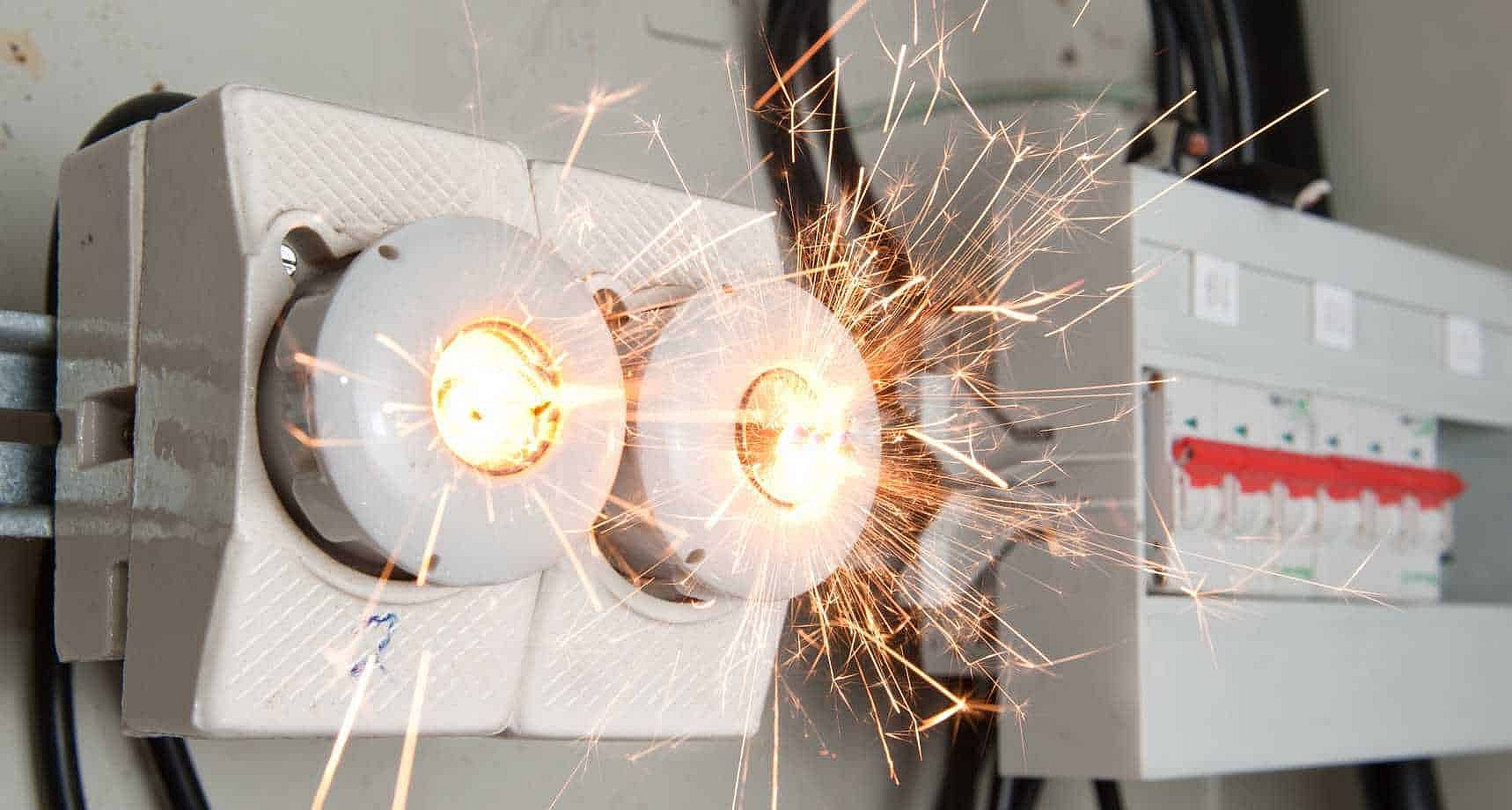
Not all dust behaves the same way around electricity. Metalworking throws off fine metal particles. If those sneak into an enclosure and build up, they can shrink the insulating distances the equipment was designed around, both through the air and across surfaces. Given time, they can bridge the gap between parts at different voltages, and then current has a path it was never meant to have.
Depending on the voltage, the equipment, and what the contamination is like, you could end up with leakage current or arcing. If your facility makes a lot of conductive dust, pay extra attention to whether the enclosures suit the space and how well the dust is kept under control.
3. Moisture Makes Certain Deposits More Dangerous
Moisture and dust are a bad combination. In a dusty room, the deposits can soak up moisture when the humidity goes up. Once they’re damp, the surface of an insulating part can become much more conductive.
That damp, dirty film can carry leakage current, and over time the current can burn a conductive path across the surface. Engineers call this tracking. Insulating materials are rated for how well they resist it, but even a material with a good rating can track if its surface stays dirty and damp.
Keep an eye out for this in facilities with frequent temperature changes, cold rooms, or industrial HVAC systems. Condensation and humidity swings can leave the dust that’s already on the equipment damp. The more often that happens, the higher the risk.
4. Chemical Residues Accelerate Deterioration
Airborne chemicals, cleaning agents, salt deposits, and other residues fall into much the same category as dust. They can eat away at metal contacts, terminals, busbars, and other parts.
When a connection corrodes, its resistance can go up, and under load the connection can run hot. Chemicals can also damage insulation and protective coatings. This kind of damage often stays hidden behind enclosure covers. It can keep getting worse for as long as routine inspections miss it.
5. Debris Interferes with Mechanical Operation
Dust can also cause electrical equipment failure by getting into moving parts. Circuit breakers, contactors, switches, and other control devices often need to move freely when they’re called on to operate.
Dust and other particles on those moving parts, especially mixed with oil or grease, can make them stick or move sluggishly. That can be serious. A breaker or contactor that sticks or moves slowly may not open when it’s supposed to. If a protective device can’t clear a fault in time, the fault can do more damage.
The National Electrical Code® addresses contamination directly. NEC® 110.12(B) requires that internal parts of electrical equipment, including busbars, wiring terminals, insulators and other surfaces, not be damaged or contaminated by foreign materials such as paint, plaster, cleaners, abrasives or corrosive residues. Equipment contaminated during construction, cleaning or a process upset should be evaluated before it goes back into service.
Which Facilities Are Most at Risk of Electrical Equipment Contamination?
The type of business or industrial site you’re running matters. It largely decides what kind of contamination you’ll be dealing with. Woodworking will generate sawdust. Fabrication will create metal particles. Manufacturing can expose equipment to chemical residues, oils, and process materials.
Some of that dust is also a fire hazard. Wood, many metals, and other materials can burn when they’re finely divided, and OSHA warns that dust suspended in the air at the right concentration can, under certain conditions, become explosible.
Under OSHA’s electrical rules, an area with enough combustible dust, or with easily ignitable fibers and flyings, counts as a hazardous (classified) location and needs equipment that’s suited to it. Woodworking plants are one of the examples OSHA gives. If your process makes this kind of dust, have the area’s classification reviewed before you add or change any electrical equipment.
Your facility’s location also matters. A site near the coast can get salt in the air. Where summers or winters are extreme, big temperature swings can lead to condensation, and seasonal winds can blow in dust from outside.
So look at what your process puts in the air and what the local environment adds, and then ask whether your electrical equipment is protected against both.
You can hire electrical engineers like our team at Dreiym Engineering to assess these dust concerns. One tool we use is thermal imaging, which is part of our infrared electrical inspection services. When a qualified person does the scan, it can show abnormal heating at connections, breakers, motors, and other equipment, as long as the equipment is carrying load and the camera can see it. It won’t catch every contamination problem, but it’s a good place to start.
Cleaning Electrical Equipment Safely, and When It Isn’t Enough
If an evaluation turns up a lot of dust around your electrical systems, hold off on opening enclosures and cleaning inside them. Exposed energized parts put whoever is doing the work at risk of shock and arc flash. OSHA’s 29 CFR 1910.333 requires live parts to be deenergized before an employee works on or near them, with limited exceptions.
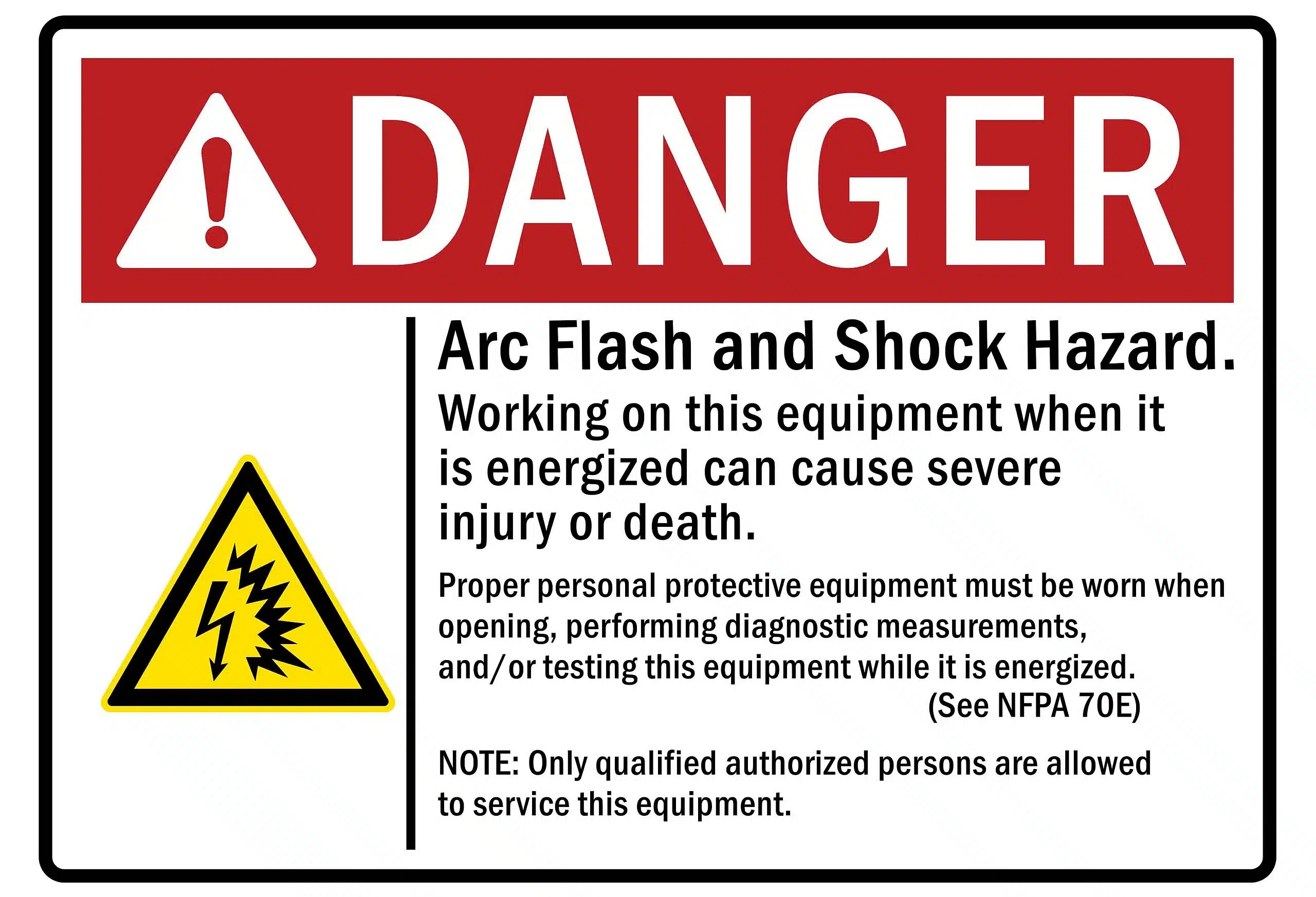
Only a qualified person should open the equipment, and nobody should clean inside it until that person has put it in an electrically safe work condition, as NFPA® 70E describes it. Among other things, that means every source is disconnected and locked out, stored energy is released, and a properly rated tester confirms there’s no voltage.
The voltage test matters because switching off a breaker doesn’t always make equipment safe. Capacitors can hold a dangerous charge after the power is off, and some equipment is fed from more than one source.
How you go about cleaning electrical equipment matters, too. Compressed air is a good example. Blowing a lot of air into a dusty electrical system may just push the particles deeper into the enclosure or spread them onto other parts.
OSHA limits compressed air used for cleaning to less than 30 psi, and only with chip guarding and protective equipment. That limit is there to protect workers, not the equipment, and some equipment manufacturers say not to use compressed air on their gear at all. If the dust can burn, blowing it around can also stir up the very dust cloud you’re trying to avoid.
For the qualified person doing the work, the usual starting points are a vacuum suited to the dust and a dry, lint-free cloth. Any cleaner or solvent should be checked against the manufacturer’s instructions first.
Using NFPA® 70B as the Guide
Rather than improvising, follow the National Fire Protection Association’s NFPA® 70B, Standard for Electrical Equipment Maintenance. Since its 2023 edition, it’s been a standard rather than a recommended practice. It covers how to build an electrical maintenance program, with maintenance intervals, testing methods, and record keeping. It also deals with cleaning, including who should do it and which methods to use.
If equipment has already failed and contamination may have played a part, don’t clean it or throw anything away until it’s been documented. Once a qualified person has made the equipment safe, photograph it the way you found it, hang on to the failed parts, and write down what was running at the time.
From there, an electrical engineer can examine the equipment and trace the failure back to its cause. That’s what an electrical failure analysis is for. If there was a fire, finding its origin and cause is a job for a qualified fire investigator.
Protect Your Electrical Infrastructure Before Contamination Causes Failure
Dust and dirt can be easy to overlook. It’s easy to think they aren’t there, and over time that assumption can get expensive. You can handle dust with a few simple steps, but it’s best to stick to proven methods that protect your equipment and keep dust down. That may include:
- Keep electrical rooms clean with a regular housekeeping schedule, and make sure staff understand the risks. Keep the working space in front of panels clear, too. OSHA’s rules say it can’t be used for storage.
- Control airborne dust where it’s made, and use filtration rated for your particular setup.
- Have qualified people inspect electrical enclosures for damaged seals, missing covers, openings, and deteriorating gaskets.
- Put up temporary barriers and dust controls to protect electrical equipment during construction.
- Look after ventilation and filtration, and replace parts as the manufacturer recommends.
- Schedule professional electrical inspections with qualified, experienced engineers you trust.
- Treat cleaning inside electrical equipment as electrical work. Only a qualified person should do it, and only after the equipment is in an electrically safe work condition.
If you think electrical equipment contamination is affecting your facility, contact our team at Dreiym Engineering. We can talk through inspections and evaluations with you and recommend next steps, in line with OSHA’s rules and current NFPA® standards, to cut down on dust-related problems and downtime.
Discussion
Comments are reviewed before they appear. We cannot give opinions on specific incidents or cases in comments.