Corrosion and Cathodic Protection
Pipeline Electrical Isolation
How pipeline electrical isolation confines cathodic protection current, prevents interference and corrosion, and keeps personnel safe around pipelines.
Reach out to Dreiym Engineering for any Corrosion, Electrical or Forensic Questions.
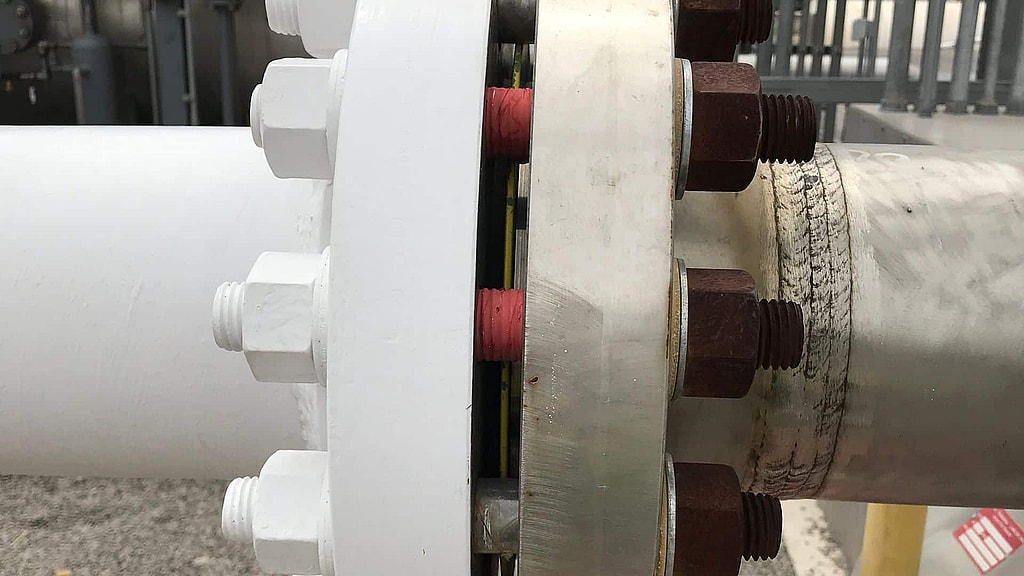
Pipeline electrical isolation is a process used in oil and gas pipelines to electrically separate the pipeline from other structures and foreign metallic objects. This process is important for keeping cathodic protection current on the intended structure, protecting the pipeline from potential damages caused by electrical interference, and providing a safe working environment for personnel on the pipeline. In this article, we will discuss what electrical isolation is and the benefits of using it.
What is Pipeline Electrical Isolation?
Pipeline electrical isolation is the process of electrically separating a pipeline from other structures, such as foreign pipelines, casings, and grounding systems. This is done by using special components such as insulating flanges, monolithic isolation joints, and casing isolators, as described in AMPP/NACE SP0286, the industry standard for the electrical isolation of cathodically protected pipelines. The purpose of electrical isolation is to keep cathodic protection current on the pipeline it is meant to protect and to guard both the pipeline and its personnel from any potential electrical interference or damage.
Pipeline electrical isolation also helps to prevent any accidental electric shocks. By electrically separating the pipeline from connected facilities and foreign structures, isolation devices keep stray and fault currents from traveling where they could endanger personnel or equipment.
Benefits of Pipeline Electrical Isolation
Pipeline electrical isolation has many benefits. It helps to ensure the safety of the pipeline’s personnel and the surrounding environment. It also helps to protect the electrical systems used by the pipeline from any potential electrical interference or damage.
Another benefit of pipeline electrical isolation is that it helps to reduce the risk of electric shock and electric fires by keeping fault and stray currents off sections of the pipeline where they don’t belong. Pipeline electrical isolation can also help to reduce the risk of corrosion. Isolation joints confine cathodic protection current to the pipeline itself, preventing it from being lost to other structures, and they help manage cathodic protection interference between the pipeline and neighboring metallic structures.
Finally, pipeline electrical isolation helps to ensure the longevity of the pipeline and its cathodic protection system. When isolation is properly installed and maintained, both types of cathodic protection systems can deliver their protective current where it is needed most.
Pipeline electrical isolation is an important process for ensuring the safety of the pipeline’s personnel and the surrounding environment. It also helps to protect the electrical systems used by the pipeline from any potential electrical interference or damage. In addition, it helps to reduce the risk of electric shock, electric fires, and corrosion. Finally, it helps to ensure the longevity of the pipeline and its cathodic protection system.
If you have questions about isolation joints, insulating flanges, or cathodic protection on your pipeline, or need CP interference testing, contact the corrosion engineers at Dreiym Engineering today.