Keeping Your Agricultural Facility Safe from Electrical Fire and Damage
Electrical safety for an agricultural facility: spot DIY wiring, overloaded circuits and rodent damage before they start fires in barns and outbuildings.


Contents
The most recent U.S. Fire Administration study of the problem, built on 1996 to 1998 incident data, estimated that nearly 11,500 fires a year broke out in agricultural storage structures such as barns, stables, silos, and grain elevators. Everything from grain silos to where you store the rakes before mucking out the chicken coop is just as susceptible to fire danger, especially when you bring in outlets, old wiring, and extension cords. That risk applies to every building on an agricultural facility.
The world relies on agriculture for food, stock, and so much more. Keeping these spaces safe and well-prepared for any emergency is crucial to maintaining a stable food supply. Proper electrical considerations must be present, or you risk not only losing a growing season’s harvest, but also cattle, chickens, pigs, equipment, buildings, and potential human life.
What Makes Agriculture Unique for Electrical Safety
The challenge with agricultural businesses is the environment. The electrical infrastructure in a home or office building tends to be more stable in comparison. Farms, even a small backyard area, are exposed to all kinds of dangers like:
- Higher moisture levels are common in livestock barns, greenhouses, and areas with frequent irrigation.
- Debris from feed, bedding dust, and harvested grain collects around panels and outlets.
- Hydrogen sulfide gases from manure and ammonia, as well as those from enclosed livestock, accelerate corrosion around wiring.
- Any uninsulated farming structure will experience expansion and contraction due to temperature swings, thereby degrading its protective insulation.
Add to this the often tight schedules that agricultural businesses operate under, and you have a recipe for an electrical fire.
Common Electrical Hazards on Farms
It helps to have a better idea of what could happen on your farm or agricultural site before seeking help with electrical load balancing or design. Some of the more common issues you’re likely to see are listed below.
- Improperly Installed Wiring: Family farms have a lot of DIY solutions. What may seem like a good idea because it was passed down by an earlier generation may not meet current code standards. Not having proper conduit, overloading circuits, or forgetting grounding all lead to wiring issues.
- Overloaded Circuits: This danger deserves its own mention. Grain dryers, air circulators, and even the small heat lamp for a fresh set of chicks draw a lot of energy. If they aren’t balanced well or use the correct amperage, there will be sparks.
- Extension Cord Misuse: Many farms are not designed with permanent wiring. That leads to long strands of extension cords through barns, pastures, or outbuildings. What is meant to be temporary now must manage a constant load and outdoor exposure.
- Lack of GFCI/AFCI Protection: Older barns and buildings often lack GFCI or AFCI protection. These safety devices are essential when working in wetter locations or where metal equipment is involved.
- Rodent Damage: Mice and rats will chew on wires. They use it for bedding and expose your conductors, allowing them to smolder and ignite hay or paper around your buildings and sheds.
- Poorly Protected Motors/Fans: Ventilation systems are often overlooked or lack the protection needed. Without the right switches or sized breakers, these ventilation motors will overheat and fail, catching fire in the process.
The problem is that agricultural environments have so many concerns. From nonexistent electrical blueprints or non-NEMA-rated equipment to degraded connections and short circuits, these issues are a constant worry. That is why you need electrical engineering design and protection to avoid severe financial losses due to fire.
Best Practices for Electrical Safety on Farms
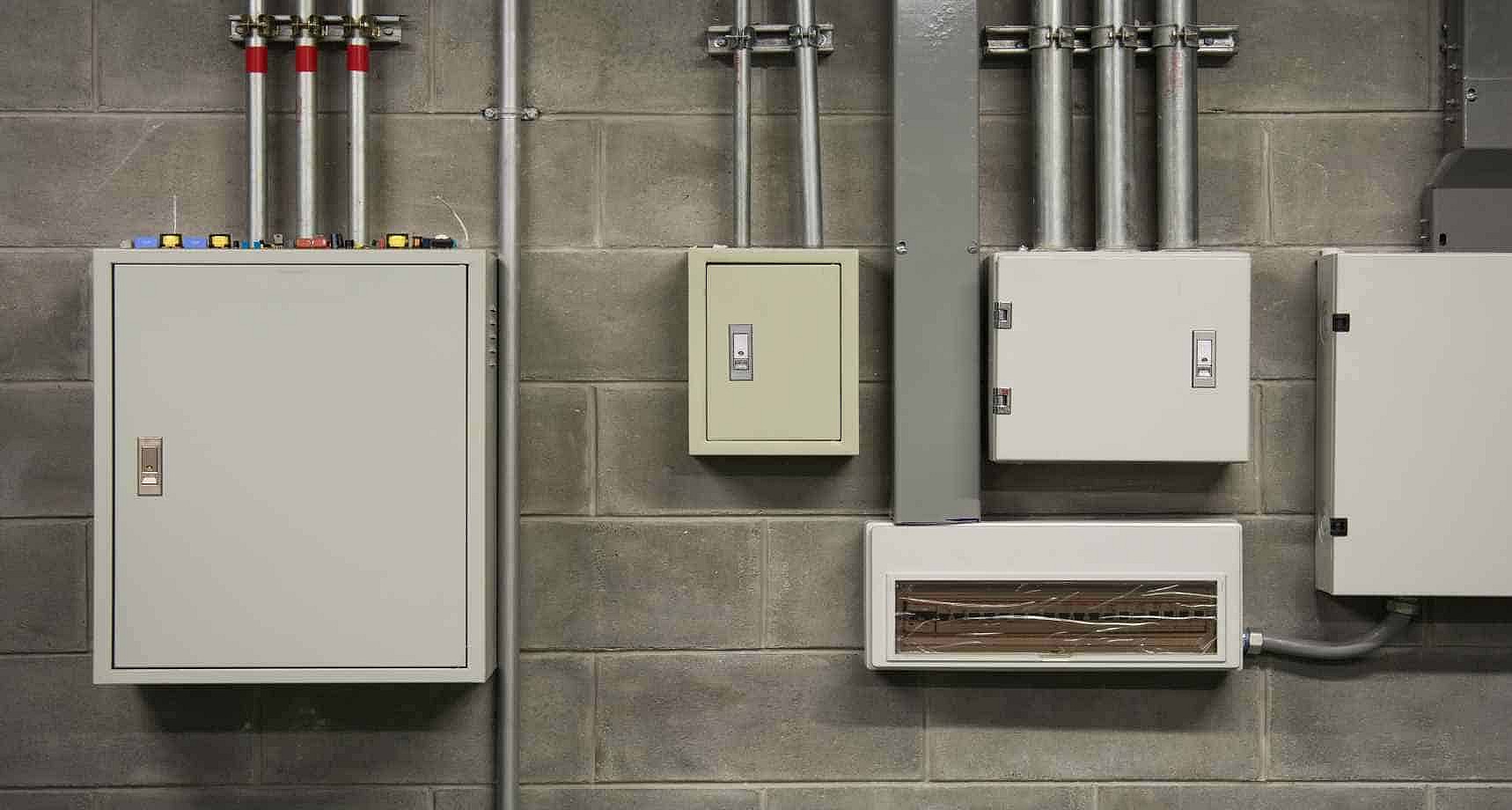
Luckily, avoiding many common electrical issues around a farm or ranch doesn’t have to be overly complex. Always work with a licensed electrical design consultant, such as our team at Dreiym Engineering. That will ensure you receive a purpose-built system that takes into account moisture, dust, equipment location, power needs, animal safety, and long-term exposure.
Ensure that corrosion-resistant equipment is installed. Items like NEMA 4X enclosures for electrical panels, PVC-coated conduit, and sealed outlet covers are all beneficial, as they prevent dust or splashing water from causing a short.
If you have a lot of major equipment (such as irrigation pumps, grain dryers, and milk chillers), try to assign dedicated circuits. Installing subpanels near these high-demand zones provides better protection in the event of a fault, preventing it from spreading throughout the entire infrastructure. Use each device for what it actually does. GFCI protection guards people against shock in wet and damp locations (barns, wash areas, outdoor receptacles) by tripping at 4 to 6 mA of current returning outside the intended path. AFCI protection detects the arcing signature of a damaged cord or a loose termination, the low-energy fault a conventional breaker will not see. Neither substitutes for correctly sized overcurrent protection, and neither limits how far a short circuit propagates; that comes from properly rated devices and coordinated protection. In agricultural buildings also follow NEC® Article 547, including its wiring-method requirements for damp and corrosive locations and its equipotential plane and bonding requirements in livestock areas.
While you can schedule annual electrical inspections using infrared thermography or continuity testing, you also should train your workers who interact with these systems daily. They will be your first line of defense in noting any potential issues before becoming dangerous. To aid these workers, insist on clear labeling and access control. You want to minimize confusion in case of an emergency or when installing new machinery. Having clear labels ensures nothing is shut off that wasn’t intended.
Finally, put locks on key systems that only you, your workhands, and your regular electrical inspectors have access to. Even the most well-intentioned guest could cause serious damage by accidentally flipping the wrong switch.
Electrical Fault Detection on Farms
Damp, dusty barns and animal areas wear out wiring quickly, so fault detection is worth adding on a farm. Ground-fault circuit interrupters (GFCIs) trip on small leakage currents that could shock people or livestock. Arc-fault protection and ground-fault protection of equipment catch damaged, chewed or degraded wiring before it starts a fire, and ground-fault relays or insulation monitoring on larger feeders and motors flag failing insulation early. Infrared scans of panels and connections, taken while the equipment is under load, find overheating parts before they fail.
Tips for Preventing Electrical Fires in Agriculture Settings
Most electrical fires in your farm will start with little to no sound. Heat will build up, corrosion will damage wires, and arcs behind walls will occur. You can reduce the risk of these issues by being proactive in your design and maintenance. Here are some quick tips to help:
- Use proper bonding and grounding so equipment and piping don’t get energized.
- Installing surge protection and lightning protection (like rods or arrestors) on your structures reduces spikes.
- Work hard to keep panels and devices clean. A dusty or dirty piece of electrical equipment is a fire hazard. Keep panels and equipment clean, but not with compressed air. In a barn or grain-handling building the dust is combustible, and blowing it suspends an explosible cloud right at equipment that can ignite it while driving conductive dust and moisture into breakers and terminations. Have a qualified person de-energize the equipment under NFPA 70E, then clean the enclosure with a vacuum suitable for the dust and a dry wipe, and keep sealed, corrosion-resistant enclosures such as NEMA 4X closed and properly gasketed in wet or dusty areas.
- Always watch for warning signs, such as flickering lights, tripped breakers, burning odors, or warm outlets.
All of these tips help you avoid a damaging electrical fire so you can refocus on what matters most, like boosting crop yield or keeping cattle and livestock properly fed.
It should be noted that most agricultural facilities operate under a complex web of regulatory frameworks. While we’re based in Texas and work most often with local companies for quick electrical design, we also have clients and offer legal expertise around the nation. We have learned firsthand how varying codes can impact business operations.
Local code compliance is only one level of concern. There are also OSHA Standards you must follow and several animal safety codes, especially if you’re following organic or some other food-specific guidelines. Before you hire an electrical design consultant, speak with your local USDA or “ag-hall” representative for more insight into modern code compliance.
When to Call an Electrical Forensic Engineer
Even with the best electrical fire prevention systems in place, your agricultural facility can still experience an outage. Hiring a forensic electrical engineer, like one of our experienced team members at Dreiym Engineering, ensures you avoid unwanted electrical fires or repeated equipment failures.
Our role is to help redesign electrical systems, investigate failures to determine their root causes, provide impartial reports for insurance claims or legal disputes, and ensure that reconstruction complies with current codes.
If you are expanding into a new barn or updating an older building, we can help keep the electrical systems working when you need them most. Contact Dreiym Engineering today to talk with an engineer about your facility. With over 30 years of combined experience, we have the know-how you need for better safety, compliance, and operational success.