Consulting Areas
Electrical Fire Investigation
We typically respond within one business day.
Did the Electrical System Cause the Fire, or Did the Fire Damage It?
What an Electrical Fire Investigation Answers
An electrical fire investigation determines whether electricity started a fire: a failed connection, an overloaded conductor, an arc fault, or an appliance or piece of equipment that failed. Fire damages every circuit it reaches, so the real question is which electrical damage came first and which came after. That answer decides the cause in the report, and for an insurer it decides whether there is a subrogation claim.
Our licensed Professional Engineers bring the electrical side to an origin and cause investigation. We work alongside the fire investigator who set the area of origin, or lead the electrical work ourselves, on fires in homes, commercial buildings, industrial plants and vehicles, for insurers, adjusters, subrogation counsel, attorneys and owners.
Submit an assignment or contact us for a free quote. We typically respond within one business day.
Electrical ignition sources we evaluate
Any electrical item in the area of origin is a possible ignition source until the evidence rules it out. The usual candidates are:
- Failed connections: loose, corroded or overheated terminations at breakers, receptacles, switches, splices and lugs, where heat builds slowly at a high resistance joint.
- Arc faults: insulation damaged by nails, staples, pinching, rodents or age, where current arcs between conductors or to ground.
- Overcurrent: conductors carrying more current than they are rated for, often where a breaker or fuse was the wrong size or did not open as it should.
- Appliances and equipment: heaters, dryers, refrigerators, chargers, HVAC units, motors and lighting, with their cords and controls.
- Service and distribution equipment: the meter, service entrance, panels, switchgear and transformers, including utility problems such as a lost neutral.
- Temporary wiring: extension cords, power strips and cords run under rugs or through doorways.
House fires are covered in more detail on the page for residential electrical fire investigation, and businesses and multi-tenant buildings on the page for commercial fire investigation.
How the Electrical Evidence Is Read
We follow the scientific method in NFPA 921, the guide most fire investigators work to, and its chapter on electricity and fire. In practice that means:
- Documenting the electrical system as found: the service, every panel, the breaker positions, the circuits through the area of origin and anything plugged in.
- Arc mapping: tracing each circuit through the fire area and recording where energized conductors arced. Because an arc can cut a conductor and de-energize everything downstream, the sequence of arc sites can confirm or narrow the area of origin.
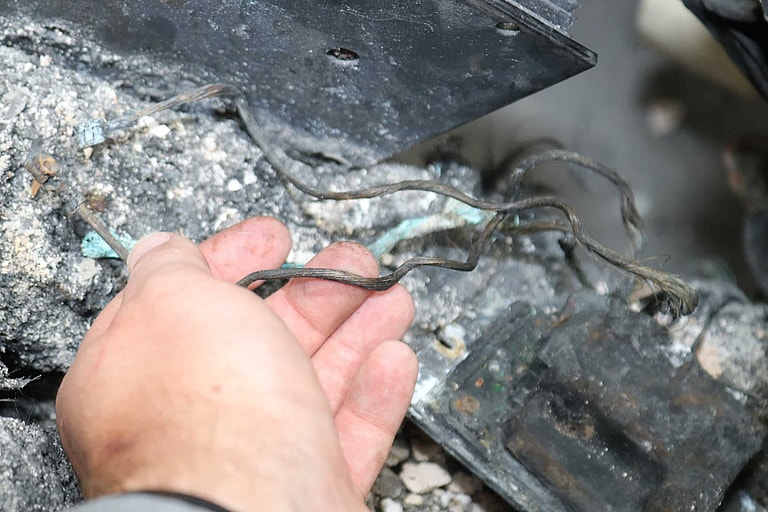
- Telling arcing from melting: arc beads and notches point to current flow, while fire heat alone leaves melted, thinned or globular copper.
- Testing every hypothesis: each possible ignition source, electrical or not, is checked against the fire patterns, the timeline and witness information before a cause is named.
Arcing is often a result of fire attacking live wiring, not the cause. The article on common myths about arc mapping explains where the method helps and where it does not.
From the Scene to the Lab
Evidence is documented in place, collected with the circuits it belongs to and labeled so the layout can be rebuilt. It is held in video-monitored storage at our engineering lab in Coldspring, Texas.
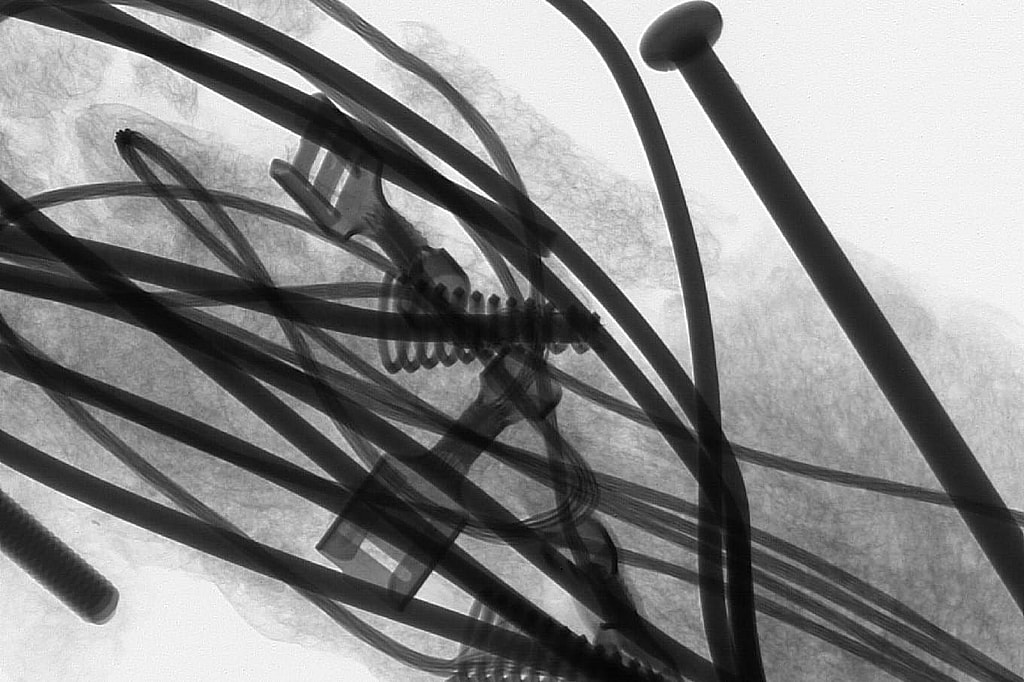
In the lab, non-destructive steps come first. Real-time X-ray shows the inside of a receptacle, a breaker, a cord connector or an appliance control without taking it apart, so the position of the contacts and the location of an arc can be seen before anyone opens it. Microscope examination follows, then disassembly when it is needed.
Destructive steps follow a protocol agreed with the interested parties, who are invited to attend. Exemplar parts are compared with the burned ones where that helps.
Preserving the Electrical Evidence
The first days after a fire decide what can still be proven. Until an engineer has seen the scene, ask the owner and contractors not to reset breakers, pull the meter, remove panels or devices, or throw away appliances and cords. If the electrical system has to be made safe, photograph it first and keep what is removed.
When a product, an installer or a utility may be responsible, notify them before anything is moved so they can attend. That protects the subrogation claim and avoids a dispute about spoliation later. The fire scene evidence preservation checklist lists the steps in order, and the fire investigation guide collects our articles on origin and cause.
Frequently Asked Questions
When should an electrical engineer be called to a fire scene?
When wiring, a panel, an appliance or other equipment is in or near the area of origin and cannot be ruled out by inspection alone. The sooner an engineer sees the scene, the more of the electrical evidence is still in place.
Does arcing on a wire mean the fire was electrical?
No. Fire that reaches energized wiring can burn through the insulation and cause arcing, so most arc sites are a result of the fire. Arc sites help locate the origin; the cause is named only when the evidence at the origin supports it.
Can you tell whether a breaker tripped before or during the fire?
Sometimes. The handle position, the internal mechanism seen on X-ray and the condition of the contacts can show whether a breaker tripped, was off or stayed on. Fire damage can make it impossible to tell, and the report says so when it does.
Do you investigate fires blamed on appliances?
Yes. Appliances, chargers, cords and equipment from the area of origin are examined at our lab, compared with exemplars where possible, and examined jointly when other parties want to attend. See appliance failure investigation.
Who do you work for?
Insurers, adjusters, subrogation counsel, plaintiff and defense attorneys, property owners and businesses. Consulting-only retentions are accepted.
How do I start an assignment?
Send the loss address, the date of the fire and the other parties involved through the assignment form, or call (866) 621-6920. We typically respond within one business day.
Related Reading
- Arcing vs. Melting Damage: How to Tell the Difference
Arcing vs. melting damage in electrical systems: the key differences and how forensic fire experts use each clue to trace where a fire started.
- 3 Common Myths About Arc Mapping Forensics
Arc mapping helps fire investigators narrow a fire's area of origin, but myths persist. We debunk 3 common misconceptions about arc mapping forensics.
- Loose Wires and Loose Electrical Connections: Warning Signs, Fire Risk and Prevention
What a loose connection is, why loose electrical connections heat up and start fires, the warning signs, and what fire investigators look for afterward.
Related Services
Fire Investigation
Origin and cause investigation of residential, commercial, industrial and vehicle fires.
Residential Electrical
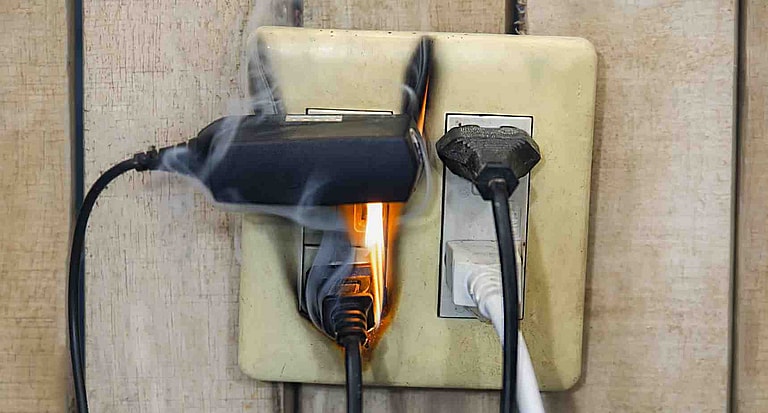
Investigation of house fires involving panels, wiring, receptacles and appliances.
Appliance Failure
Failure analysis of HVAC equipment, dryers, refrigerators, heaters, chargers and other appliances.
Project experience
Related projects
South Texas
Restored SUV Engine Compartment Fire, South Texas
Origin and cause
East Texas
Rental Compact Track Loader Fire, East Texas
Equipment fire
North Texas
Refuse Truck Hopper Fire, North Texas
Vehicle fire
North Texas
Moving Truck Rear Brake Fire, North Texas
Vehicle fire
East Texas
Side by Side Utility Vehicle Fire, East Texas
Vehicle fire
West Texas
Two Fleet Truck Fires, West Texas
Vehicle fires
Have a loss to investigate?
We typically respond within one business day.