About
Why Professional Engineering Licensure Matters
We typically respond within one business day.
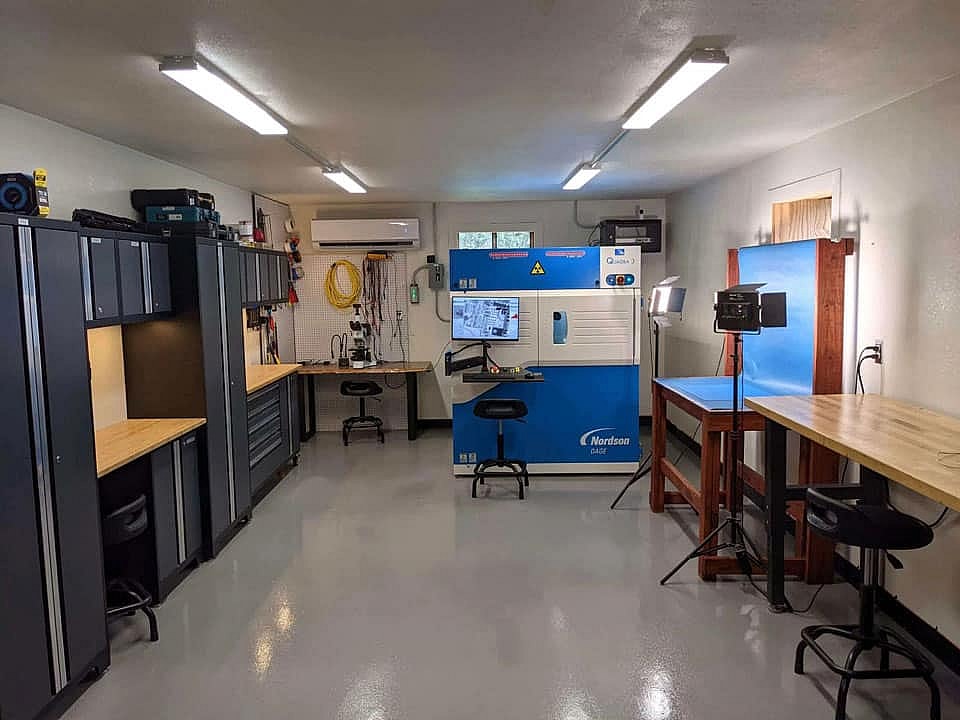
Why licensure matters for the work we do
Every study, design and investigation Dreiym Engineering delivers ends in a document that someone will rely on. An electrician chooses protective clothing from the numbers on an arc flash label. A pipeline operator builds a cathodic protection system from our drawings. An insurer, a court or a jury weighs our opinion on why a fire started or a pipe failed. In each case the reader is trusting that the work was done by someone who is qualified to do it and who answers for it. Professional engineering licensure is how the law makes that trust verifiable.
Dreiym Engineering PLLC was founded in 2014 as a partnership of licensed Professional Engineers, and our designs and reports carry a PE stamp where the work requires one. This page explains what a license means, what Texas law and the national model law require, what the engineer’s seal stands for, and why licensure matters in each of our three practices: electrical power, cathodic protection and corrosion, and forensic engineering. It also shows you how to check any engineer’s or firm’s license yourself before you hire them.
What a licensed Professional Engineer is
A Professional Engineer (PE) is an engineer licensed by a state board to practice engineering for the public. NCEES®, the national council of engineering and surveying licensing boards, describes the most common path as three steps, often called the three Es: education, experience and examination.
- Education. Boards generally require a bachelor’s degree from an EAC/ABET-accredited engineering program.
- The Fundamentals of Engineering (FE) exam. NCEES® calls the FE exam generally the first step toward licensure. It is a computer-based exam of 110 questions, designed for recent graduates and students close to finishing an accredited degree. In Texas, passing it is part of the minimum evidence for certification as an engineer-in-training.
- Experience. Most states require four years of acceptable, progressive and verifiable work experience. Texas requires at least four years of active practice for graduates of a board-approved engineering curriculum and eight years for graduates of other engineering or related science programs, with a specific record showing the applicant is competent to be placed in responsible charge of the work.
- The Principles and Practice of Engineering (PE) exam. The PE exam tests for a minimum level of competency in a particular discipline. It is designed for engineers with at least four years of post-college experience, and NCEES® offers more than 20 different PE exams.
Texas also requires an application with a detailed summary of the applicant’s engineering work and at least three references from engineers who know the applicant’s character and experience. A license is not a one-time achievement: it must be kept active, and the board can discipline, suspend or revoke it.
Why the law requires a license
Engineering licensure in Texas has a specific origin. NCEES® notes that the 1937 natural gas explosion at the school in New London, Texas, which killed 300 people, led the legislature to enact what became the Texas Engineering Practice Act, now Chapter 1001 of the Texas Occupations Code. The Act states its purpose plainly: to protect the public health, safety and welfare, to let the state and the public identify who is authorized to practice engineering, and to fix responsibility for work done in the practice of engineering.
The core rule is short. A person may not engage in the practice of engineering in Texas unless the person holds a license, and may not receive a fee for engineering without one. The definition of the practice of engineering is broad. It covers consultation, investigation, evaluation, analysis and planning; providing an expert engineering opinion or testimony; performing an engineering survey or study; design of engineering works or systems; and service, design or analysis connected with equipment or systems of a mechanical, electrical, electronic, chemical or thermal nature. The Act has narrow exemptions, for example for some employees working only for their own employer, but none of them applies to a person who offers engineering services to the public.
Other states follow the same principle. The NCEES® Model Law, which boards draw on when they write their own statutes, declares it unlawful to practice or offer to practice engineering, or to use a title suggesting one is a professional engineer, without a license, and calls the practice of engineering a privilege granted on the basis of an individual’s qualifications. The details differ from state to state, so the license has to be valid where the project is.
Firm registration: Dreiym Engineering PLLC, F-16324
In Texas, a business entity may not practice engineering unless it is registered with the Texas Board of Professional Engineers and Land Surveyors (TBPELS) and the practice is carried on only by engineers. Board rules add that a registered firm must employ at least one full-time active license holder, that an active license holder must perform or directly supervise all engineering work that requires a license, and that every engineering document the firm releases, including preliminary documents, must show the firm name and registration number.
Dreiym Engineering PLLC is a Texas registered engineering firm, registration number F-16324. You will find that number on our reports and drawings, and you can confirm it on the board’s firm roster, as described below.
The engineer’s seal and what it stands for
When a Texas PE receives a license, the engineer obtains a seal in a design authorized by the board. Plans, specifications, plats and reports issued by a license holder for a project to be constructed or used in Texas must carry that seal. Under the board’s rules, the purpose of the seal is to assure the user that the work was performed or directly supervised by the engineer named on it and to show the scope of that engineer’s work. An engineer may seal only work they did or directly supervised, and upon sealing takes full professional responsibility for it.
The rules also cover documents that are not sealed. Engineering opinions, evaluations, recommendations and documents produced for litigation must bear the engineer’s printed name, the date, the signature and the designation “P.E.” Preliminary documents released for review must say who the engineer of record is and that they are not for construction, bidding or permit.
Because a seal carries this weight, misusing one is serious. Board rules make it misconduct to seal work while a license is inactive, expired, suspended or revoked, or to let others use one’s electronic seal, and they forbid anyone from depicting a fraudulent seal. Under the Act, using another person’s license or seal as one’s own is a Class A misdemeanor. Our article on digital PE stamp and seal fraud explains how forged seals are made, how they are caught and how to check a sealed PDF.
Need a study, design or investigation sealed by a licensed engineer? Request a free quote. We typically respond within one business day.
Why licensure matters in each of our practices
Arc flash and power system studies
An arc flash study is engineering analysis of an electrical system: a model of the system, short circuit and protective device calculations, and the incident energy at each piece of equipment. That is the kind of work the Texas Act lists as the practice of engineering. The results do not stay on paper. NFPA® 70E allows employers to select arc flash PPE by the incident energy analysis method in 130.5(G) or by the PPE category tables, and requires an incident energy analysis for equipment outside the limits of those tables. When the analysis method is used, the protective clothing a worker wears comes straight from the study.
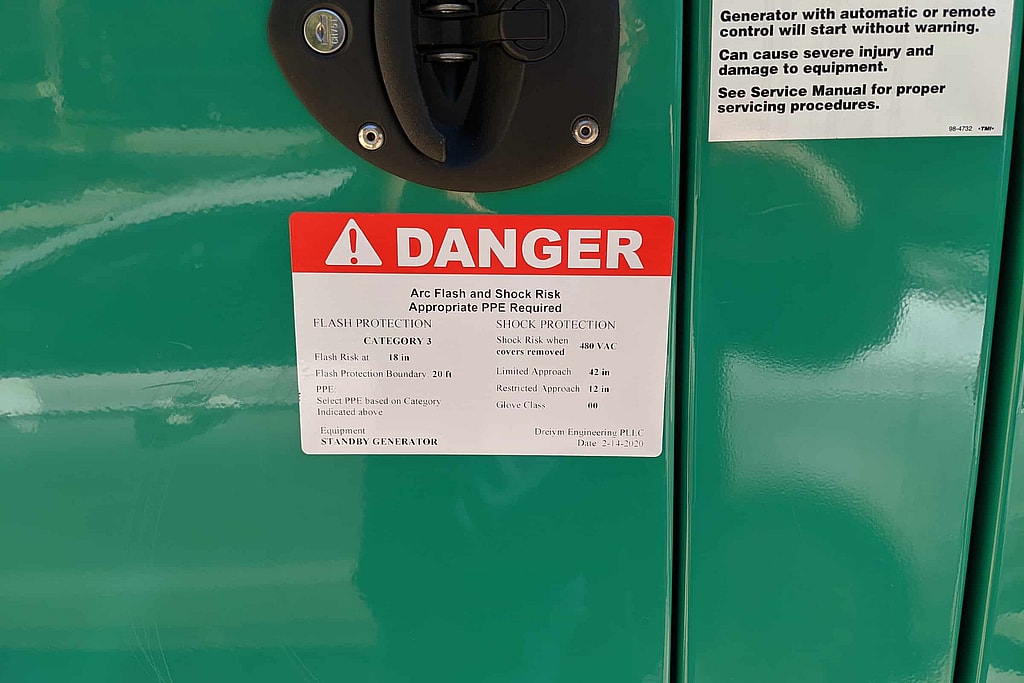
Our arc flash, short circuit and coordination studies are led by our licensed Professional Engineers, and the reports are PE-stamped where required, so the numbers on each label trace back to an engineer who answers for them. For an example of how that work is documented, see our arc flash study of a Galveston campus in three phases.
Cathodic protection design: certification and licensure
Cathodic protection has strong industry certifications. AMPP® (formerly NACE) offers a ladder from CP1 Tester to CP4 Specialist, and describes CP4 as demonstrating high-level expertise in designing, evaluating and managing cathodic protection systems. One CP4 path calls for a bachelor’s degree in physical sciences or engineering and six years of advanced CP experience, including four in responsible charge, and the certification is valid for three years. Those credentials document real expertise, and we value them: our corrosion team includes a CP Specialist (CP4) and a CP Technologist (CP3).
A certification is not a license, however. Federal pipeline rules require CP design, installation, operation and maintenance to be carried out by or under the direction of a person qualified in pipeline corrosion control methods. State engineering law then decides who may offer that design to the public as engineering. The Texas Act lists design of engineering works or systems as the practice of engineering, and it says a license holder needs no certification other than the license to seal a plan or report. The strongest position for an owner is an engineer who holds both. Our article Cathodic Protection Specialist vs. Professional Licensed Engineer covers the difference in depth.
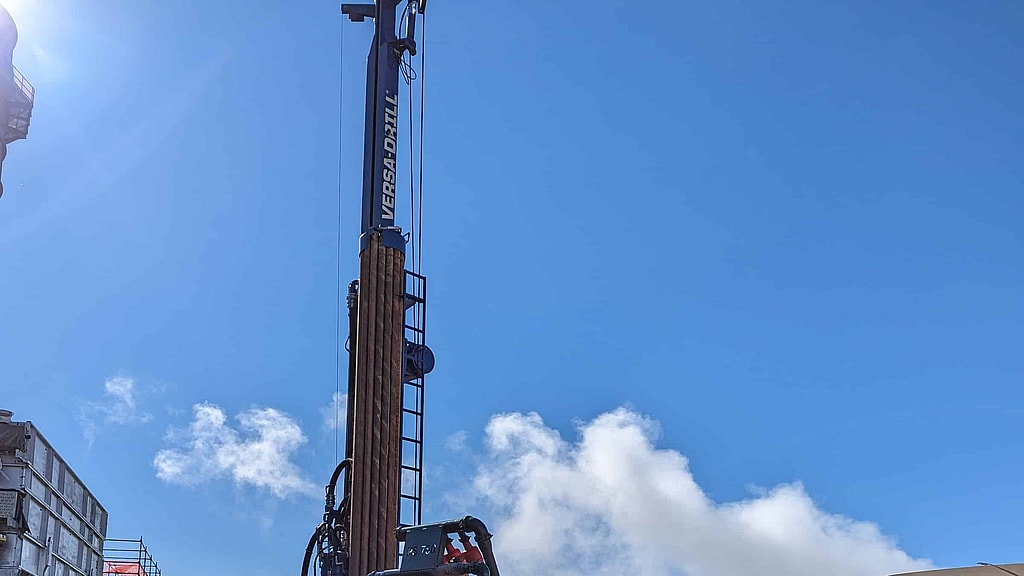
Our cathodic protection design work is led by an engineer who is both a licensed Professional Engineer and an AMPP® CP Specialist. For a project example, see our flood gate CP anode vent review on the Upper Texas Coast.
Forensic engineering: opinions and testimony
A forensic engineer is hired to answer a question that matters in a claim or a lawsuit: what failed, why, and whether it met the applicable code or standard. The Texas Act lists investigation, evaluation, analysis and “providing an expert engineering opinion or testimony” within the practice of engineering. The Act also says it does not restrict anyone from giving testimony or preparing an exhibit solely for use as evidence before a tribunal, but it keeps such work subject to the board’s disciplinary powers. In practice, an investigation that rests on engineering analysis is engineering, and licensure is what makes the investigator accountable for it.
The board’s rules hold licensed engineers to specific standards when they testify. An engineer may not offer an opinion in a deposition or before a court that is contrary to generally accepted scientific and engineering principles without fully disclosing its basis, and opinions given as expert testimony that contain quantitative values must be supported by adequate modeling or analysis. Engineers must also make their statements objectively and truthfully. Texas procedure points the same way: in a suit for damages arising from a licensed professional engineer’s services, the claimant generally must file an affidavit from a third-party professional engineer who is licensed in Texas, holds the same license and practices in the same area.
Our forensic engineers investigate fires, explosions, electrical failures and corrosion failures for insurers and law firms, and we accept both testifying and consulting-only assignments. Our licensed engineers also hold NAFI CFEI® and CVFI certifications. For an overview of the field, read What Does a Forensic Engineer Do?
NCEES® Model Law Engineer and the NCEES® Record
Projects cross state lines, and so do engineers. The NCEES® Records program lets a licensed engineer build a verified file of transcripts, employment history, professional references and exam results, which NCEES® then sends to any state board when the engineer applies for licensure there. NCEES® says the Record is accepted by all U.S. state licensing boards, although it does not guarantee a license in any of them.
When NCEES® reviews a Record, it also checks whether the engineer meets the Model Law requirements: a bachelor’s degree in engineering from an EAC/ABET-accredited program, four years of acceptable experience, passing the FE and PE exams and a clean disciplinary record. An engineer who meets them is designated a Model Law Engineer (MLE), which NCEES® says tells state boards that the engineer’s education, experience and examinations meet its model standard and, in many states, further speeds up licensure by comity. Both of our licensed engineers are NCEES® Model Law Engineers with active and past licensure in multiple states.
How to verify a PE or firm license
You do not have to take an engineer’s word for it. Licensing boards publish their rosters, and checking takes a few minutes.
- Texas engineers: search the TBPELS PE roster by name or license number. Only the status “Active” is valid for active engineering. “Delinquent”, “Expired” and “Inactive” licenses are not.
- Texas firms: search the TBPELS firm roster by firm name or number. You can look up Dreiym Engineering PLLC under F-16324.
- Other states: use the NCEES® member licensing board directory to find the board for the state where your project is, and check its roster.
- Sealed documents: compare the name and number on the seal with the board record, and check the status on the date the document was signed.
What to ask before you hire an engineer
- Which licensed engineer will be in responsible charge of the work, and will that engineer seal or sign the final deliverable?
- Is the engineer licensed in the state where the project is, and is the firm registered there where the state requires it?
- Does the engineer practice in this discipline? Board rules require engineers to practice only in their areas of competence.
- Which certifications does the team hold for the specialty, such as AMPP® CP certifications for corrosion work or fire investigator certifications for forensic work?
- What exactly will the report or drawing set contain, and who reviews it before it is released?
What unlicensed engineering can cost the client
When the engineer is not licensed, the client often carries the consequences. The risks the law itself creates include:
- Rejected submittals. A Texas public official who enforces laws affecting engineering may accept a plan, specification or related document only if it was prepared by an engineer, as shown by the engineer’s seal. A study or design without a valid seal can be sent back.
- Public work held up. The state and its political subdivisions may not build a public work involving engineering, where public health, welfare or safety is involved, unless the plans, specifications and estimates were prepared by an engineer.
- Penalties for the provider. The board can impose administrative penalties of up to $5,000 per violation, with each day counted as a separate violation, and practicing without a license is a Class A misdemeanor. A firm practicing without registration is in violation of the Act and board rules.
- No one accountable. The Act exists in part to fix responsibility for engineering work. Without a licensed engineer of record, there is no board-regulated professional who answers for the result, and no seal that tells the next reader who did the work.
The licensed engineers behind our work
Brian J. Brackensick, M.S., P.E., leads our electrical power studies, and Stepan V. Eero, M.S., P.E., leads corrosion and cathodic protection. Both are licensed Professional Engineers with active and past licensure in multiple states and NCEES® Model Law Engineers, and both hold AMPP® cathodic protection and NAFI fire investigator certifications. Ruben A. Rodriguez, B.S., our Field Engineer II, collects field data and builds the power system models for the studies our licensed engineers lead, and holds AMPP® CP1 and IAAI-ECT® certifications. To see the full team, visit About Dreiym Engineering.
Frequently asked questions
What does a PE stamp mean?
It means the licensed engineer named on the seal performed or directly supervised the work and takes full professional responsibility for it. In Texas, the seal also shows the scope of that engineer’s work, and it may not be used while the license is inactive, expired, suspended or revoked.
Do all engineers need a PE license?
Not every engineer. Texas exempts, for example, some employees who work only for their own employer and engineers working under a licensed engineer without responsible charge. But anyone who offers or performs engineering services for the public in Texas must be licensed, and a firm must be registered.
Can you call yourself an engineer without a PE license?
In Texas, generally not in any public or commercial way. The Act bars unlicensed persons from using titles such as “engineer”, “professional engineer” or “licensed engineer” as a professional or business identification, with a narrow exception for some exempt employees who do not offer engineering to the public.
Do arc flash studies need to be stamped?
In Texas, a report issued by a licensed engineer for a project to be used in the state must carry the engineer’s seal, and an arc flash study is engineering analysis under the Act. Owners, insurers and contracts may also require a stamped study. Ours are PE-stamped where required.
How do I verify a professional engineer’s license?
Search the licensing board’s online roster for the state where the project is. In Texas, use the TBPELS PE roster for individual engineers and the firm roster for companies, and check that the status is “Active”.
Work with licensed engineers
Whether you need an arc flash study, a cathodic protection design or a forensic investigation, our licensed Professional Engineers will scope it, lead it and stand behind it. Request a free quote. We typically respond within one business day.
Get your project started
We typically respond within one business day.