About
Engineering for Oil and Gas
We typically respond within one business day.
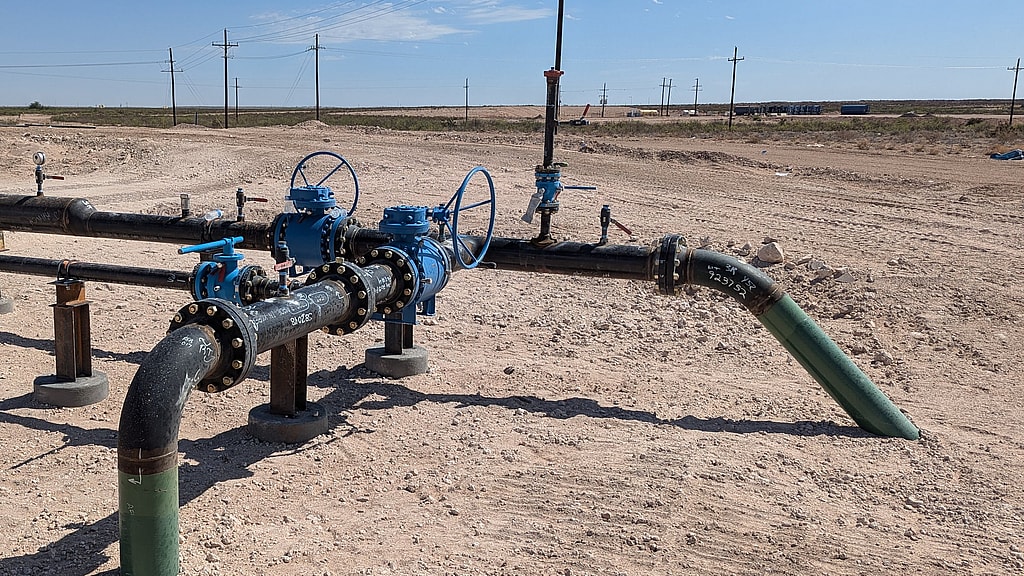
Corrosion and electrical engineering for operators and builders
Oil and gas pipelines and facilities face corrosion on the outside from the soil, on the inside from the product, and electrical hazards in the plants and stations that move it. Dreiym Engineering works for operators of gathering, transmission and distribution lines and for the contractors who build them, with a corrosion team that includes a NACE CP Specialist (CP4) and licensed Professional Engineers who review the data. We design and install cathodic protection systems, and we test them.
Regulated pipelines
Gas lines fall under 49 CFR Part 192 and hazardous liquid lines under Part 195, both enforced by PHMSA. PHMSA data list corrosion and excavation damage among the leading causes of significant pipeline incidents. Our cathodic protection surveys cover the annual surveys those rules require, close interval surveys, DCVG and ACVG coating surveys, direct assessment, depth of cover, current mapping and line locating, along with interference testing and rectifier troubleshooting.
Compliance tasks by line type
- Gas lines (Part 192). Test cathodic protection each calendar year at intervals not exceeding 15 months, inspect rectifiers six times each calendar year at intervals not exceeding 2 1/2 months, and check critical bonds, diodes and reverse current switches on the same schedule (192.465).
- Hazardous liquid lines (Part 195). Test cathodic protection at least once each calendar year at intervals not exceeding 15 months, check rectifiers six times each calendar year, and within 2 years of installing CP, identify where a close interval survey or comparable technology is practicable and necessary (195.573).
- Internal corrosion. Where inhibitors are used on liquid lines, examine coupons or other monitoring equipment twice each calendar year, at intervals not exceeding 7 1/2 months (195.579).
- Integrity assessments. External corrosion direct assessment under 192.925 and NACE SP0502, and internal corrosion direct assessment under 192.927 and NACE SP0206, for covered segments of gas transmission lines.
Records that hold up in an inspection
For gas lines, the records are part of compliance. Operators must keep maps or records showing where cathodically protected piping, CP facilities, galvanic anodes and bonded neighboring structures are, for as long as the pipeline stays in service. Every test, survey and inspection that the corrosion rules require must be recorded in enough detail to show that corrosion control is adequate, and kept at least 5 years; the annual CP survey records and the inspections of removed pipe are kept for as long as the pipeline is in service (49 CFR 192.491). Survey reports are most useful when they can go straight into those records, with positions, dates and the instruments used.
New construction
- Coating holiday testing before backfill, and DCVG acceptance surveys before closeout
- Cathodic protection design, installation, start-up and commissioning
- Testing of insulating flanges and casings at crossings
On three new crude oil lines near Jal and Carlsbad, New Mexico, we ran the post-construction DCVG surveys the project specifications required, applying temporary current where the lines had no CP system yet.
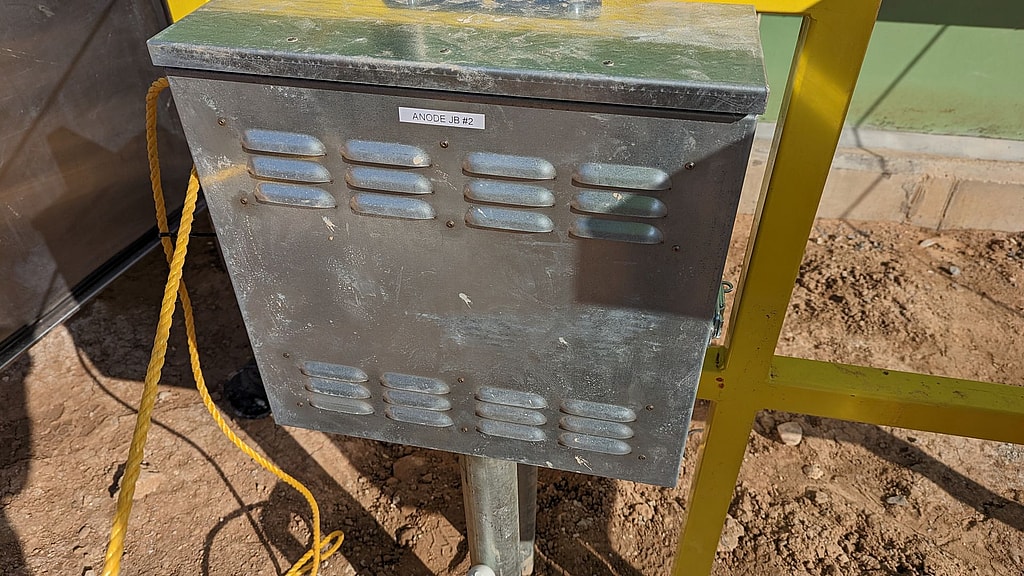
Related projects
- DCVG Acceptance Surveys on New Crude Oil Lines, Southeast New Mexico
- DCVG Surveys During Pipeline Construction, Central Texas
- New Pipeline ACVG Coating Survey, Port Arthur
Surveys that can share one trip
Field surveys on the same right-of-way can often be planned around one mobilization:
- Pipeline locating and depth of cover
- Pipeline current mapping, to rank coating condition and find contacts
- Close interval surveys, to measure protection along the line
- DCVG and ACVG coating surveys, to locate and grade defects
- Coating holiday testing, while new pipe is still beside the ditch
On a statewide job in Colorado, DCVG and depth of cover surveys were run in one mobilization, so the client did not need a second campaign.
Field conditions in the Permian and the Rockies
Rocky, high resistivity ground makes coating defects harder to detect and cathodic protection harder to get working well. Our page on pipeline coating and CP surveys in the Permian Basin covers West Texas and southeast New Mexico, and we work in Colorado from our Westcliffe office.
Have a survey due or a line under construction? Request a free quote. We typically respond within one business day.
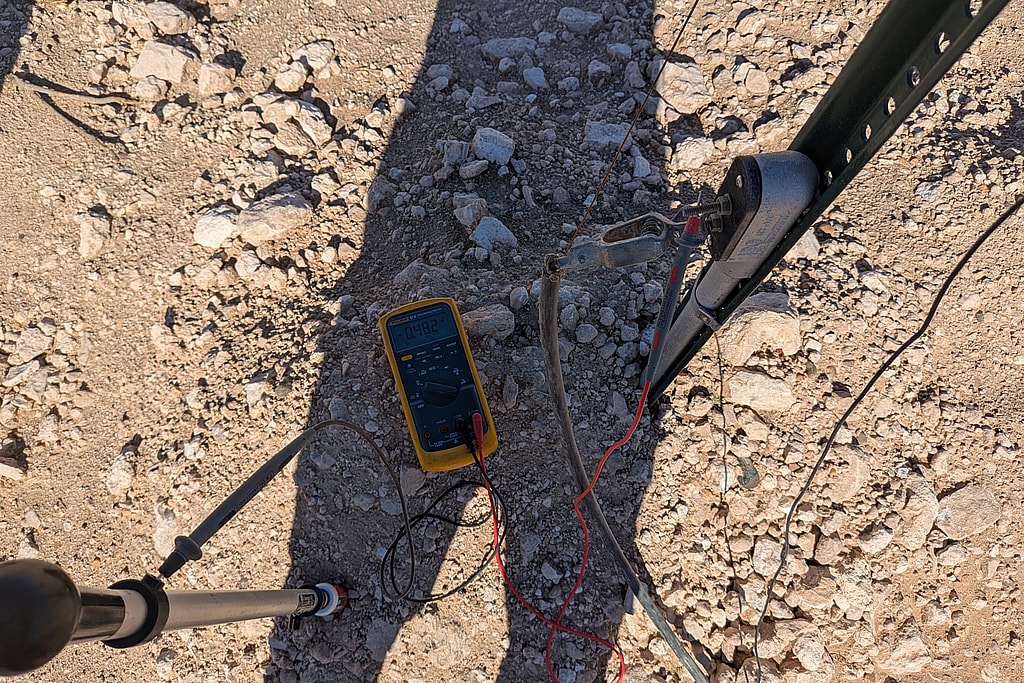
Shared corridors and the inside of the pipe
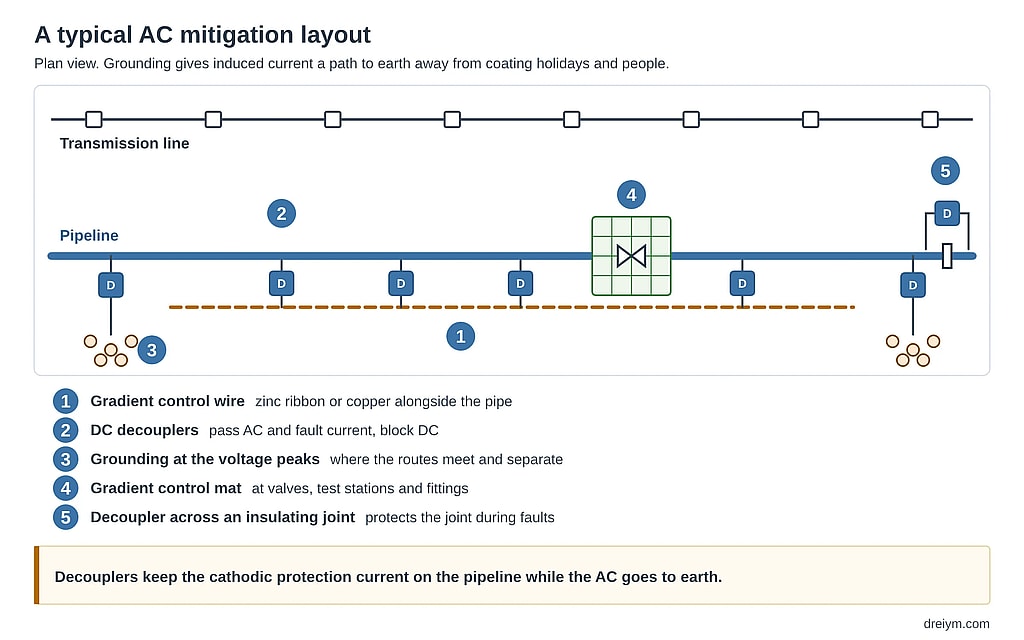
Pipelines that share a corridor with power lines can pick up AC voltage and suffer AC corrosion; AC interference testing and mitigation addresses both. Cathodic protection does not reach the inside of a line, so we also evaluate internal corrosion from CO2, H2S, oxygen and bacteria.
Electrical work at plants and stations
We perform arc flash, short circuit and coordination studies in ETAP® and SKM at terminals, coastal sites and equipment plants, such as the five-year arc flash updates at an oilfield equipment plant in Humble.
What you receive
- Survey data with positions, compared with the applicable CP criteria, with readings that fall short flagged
- Coating survey indications, graded and ranked for excavation
- The likely cause of each deficiency and the repair we recommend
- Records organized for retention and for PHMSA or state inspections
- Reports and designs reviewed by licensed Professional Engineers and PE-stamped where required
Frequently asked questions
What does a corrosion engineer do in oil and gas?
Protects pipelines, tanks and facilities from corrosion inside and out: designs and tests cathodic protection, surveys coating condition, evaluates internal corrosion and its monitoring, tests for interference from power lines and other structures, and investigates failures.
How often must a pipeline’s cathodic protection be tested?
Gas and hazardous liquid lines under cathodic protection must both be tested at least once each calendar year, at intervals not exceeding 15 months, and their rectifiers checked six times each calendar year (49 CFR 192.465 and 195.573).
What is ECDA?
External corrosion direct assessment: a four-step process of pre-assessment, indirect inspection, direct examination and post assessment that evaluates the threat of external corrosion to a pipeline. It follows NACE SP0502 and, for covered gas transmission segments, 49 CFR 192.925.
Does cathodic protection protect the inside of a pipeline?
No. Cathodic protection protects the outside surface in contact with soil or water. Internal corrosion is controlled by removing water, by inhibitors and cleaning, and by monitoring.
What is a close interval survey?
A survey that reads the pipe-to-soil potential every few feet along a line, usually with the protective current interrupted, to find stretches where cathodic protection falls short between test stations.
Talk to an engineer
Have a survey due, a line under construction or a corrosion problem to solve? Request a free quote. We typically respond within one business day.
Get your project started
We typically respond within one business day.