Consulting Areas
Forensic Engineering for Attorneys and Law Firms
We typically respond within one business day.
What counsel gets from us
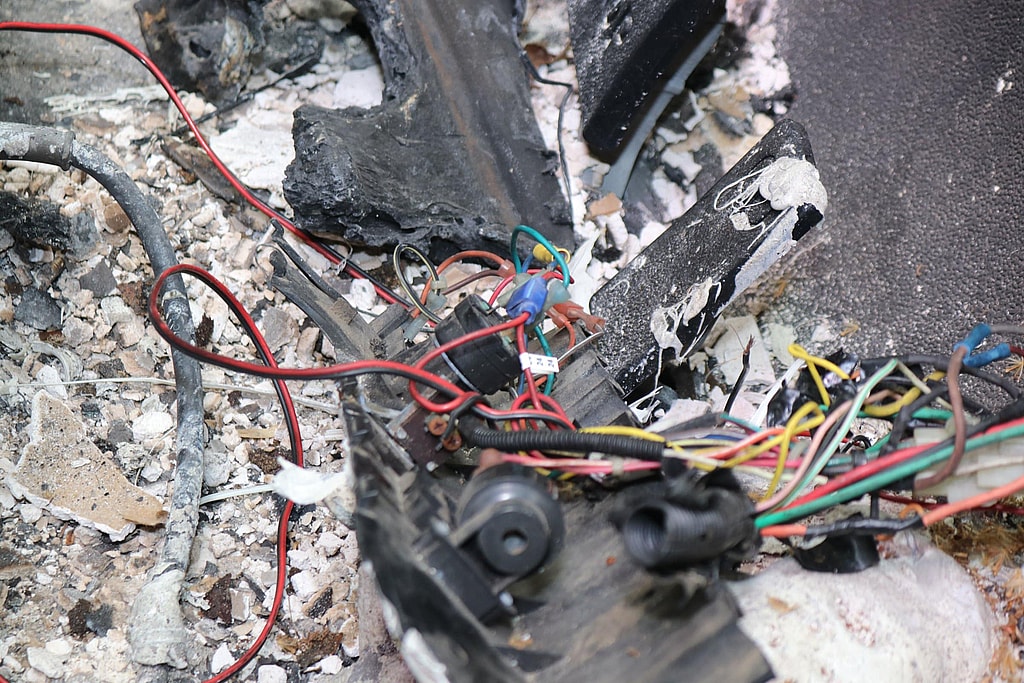
Dreiym Engineering’s licensed Professional Engineers investigate fires, explosions, electrical failures, electrical injuries and corrosion failures, and serve as engineering expert witnesses from the written report through deposition and trial. Plaintiff and defense attorneys both retain us, and the work is the same whichever side calls: we report what the evidence shows. Our investigators hold NAFI CFEI® and CVFI certifications, and we accept both testifying and consulting-only (non-testifying) retentions.
Matters we take on
- Fires and explosions in homes, commercial buildings, industrial plants and vehicles, where the question is whether an electrical system or product caused the loss. See fire and explosion investigation.
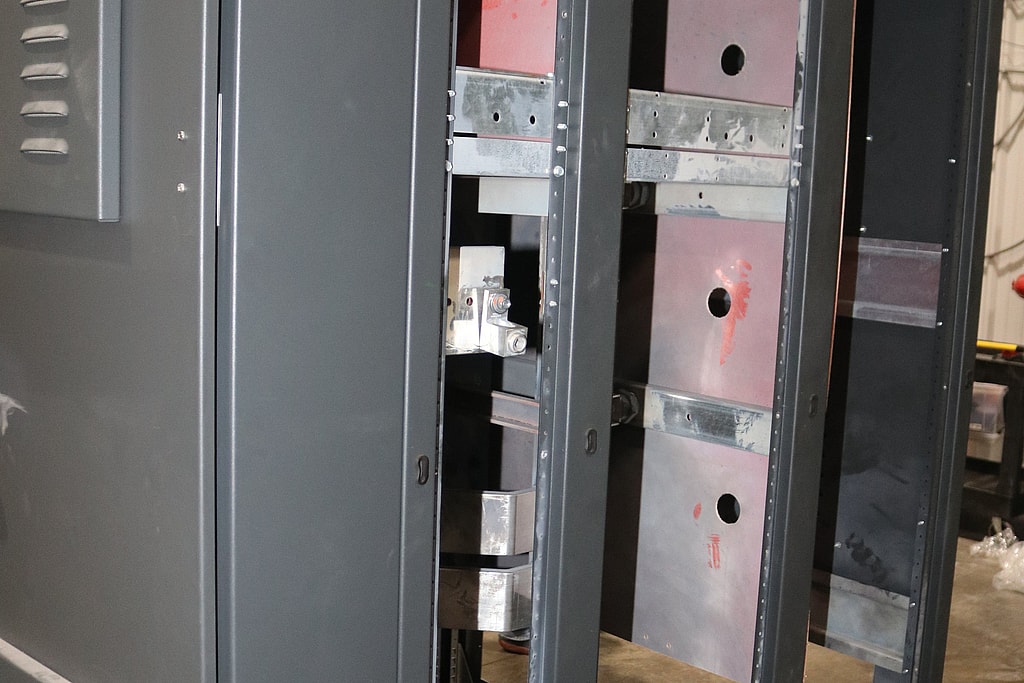
- Electrical and equipment failures, including breakers, wiring, service equipment, transformers, reclosers and motor drives. See electrical failure analysis.
- Appliance and product failures, examined against an exemplar of the same make and model. See appliance failure investigations.
- Lightning and surge claims, where lightning is put forward as the cause and the evidence has to support it. See lightning damage investigations.
- Corrosion failures of pipelines, tanks and buried metal. See forensic corrosion engineering.
Early: preserve the evidence and give notice
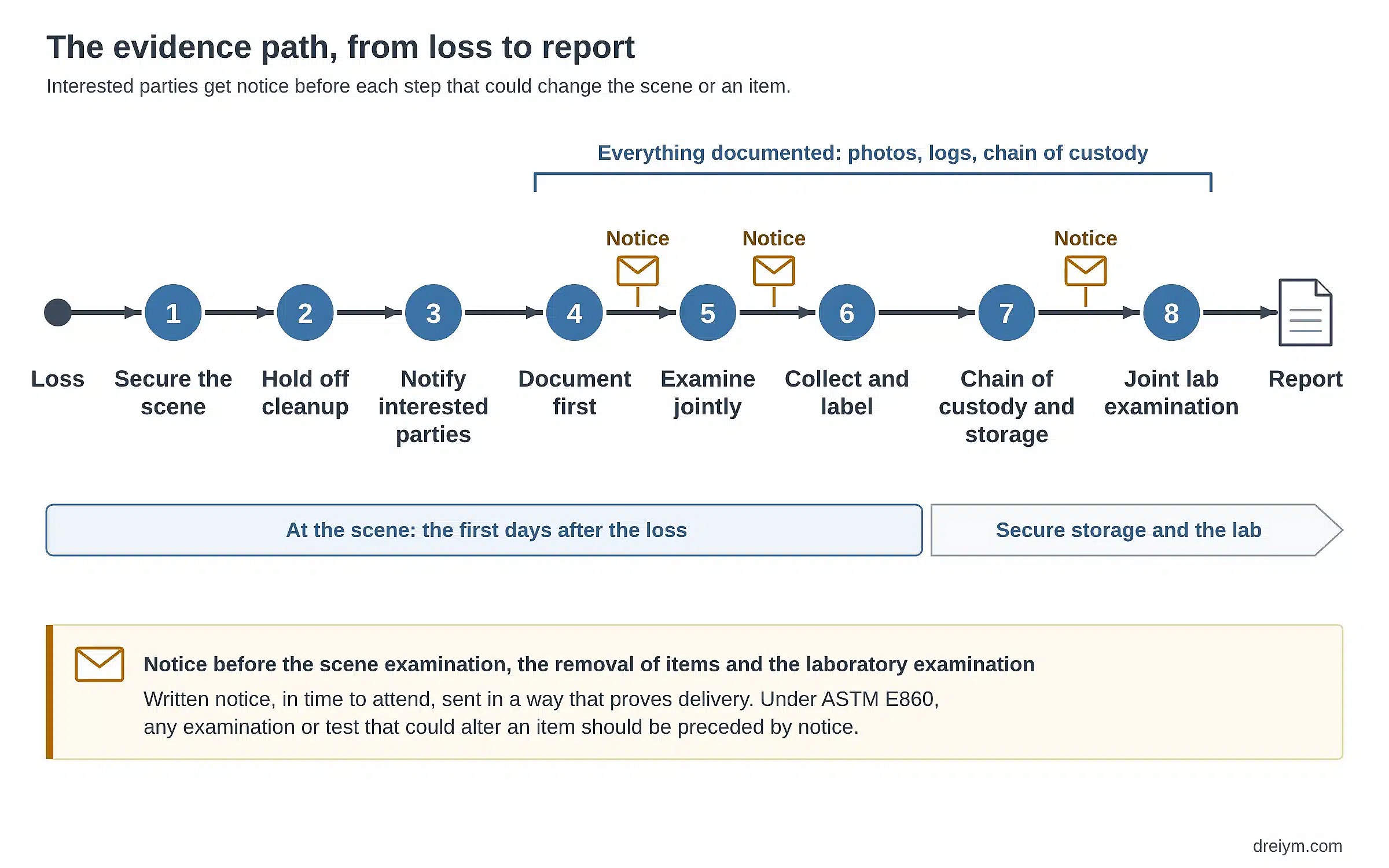
Many disputes are won or lost in the first weeks, before anyone has written a report. NFPA® 921 calls for interested parties to receive reasonable notice and a chance to take part before a scene is examined, and ASTM® E860 sets out what has to happen before a test or disassembly changes an item that is or may become involved in litigation. Moving, repairing or discarding evidence without notice invites a spoliation claim. We can advise on what to keep, how to keep it and whom to notify, collect evidence at the scene, and hold it in video-monitored storage at our lab in Coldspring, Texas, with its chain of custody documented. Our fire scene evidence preservation checklist covers the first steps.
Joint examinations
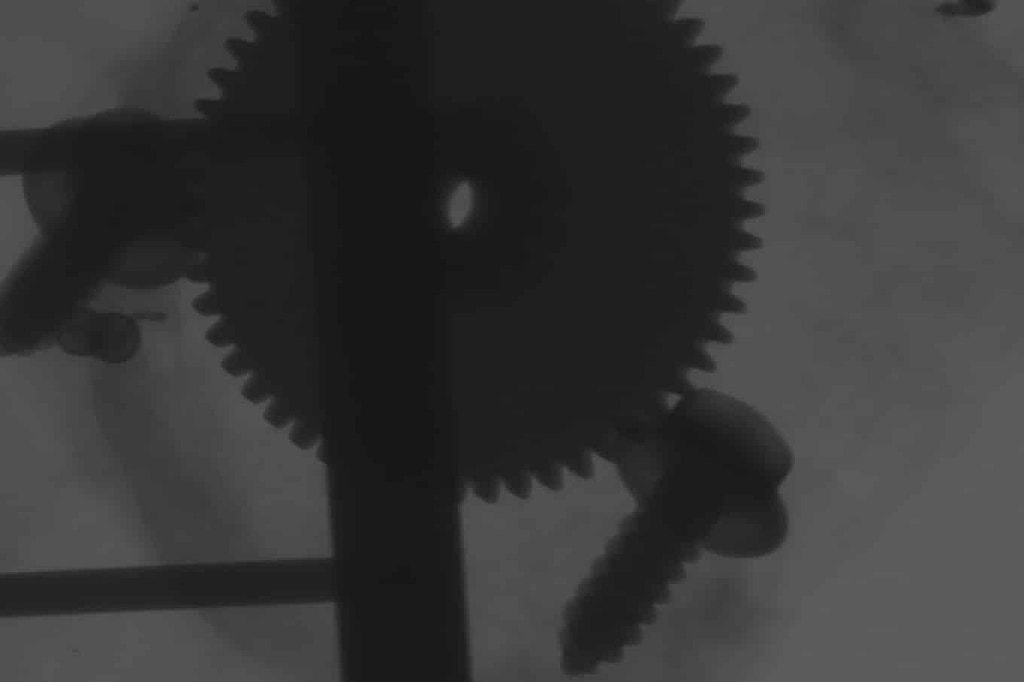
Disassembly and other destructive steps are held as joint lab examinations under protocols agreed with the interested parties, who are invited to attend with their engineers. Non-destructive steps such as photography, microscope examination and real-time X-ray come first, and their results are shared, so every party works from the same record.
Have a matter that turns on an electrical, fire or corrosion question? Request a free quote. We typically respond within one business day.

Opinions built to be tested
Federal Rule of Evidence 702, as amended in December 2023, requires the party offering expert testimony to show the court that it is more likely than not that the testimony rests on sufficient facts or data, comes from reliable principles and methods, and reflects a reliable application of those methods to the facts of the case. Our approach follows the scientific method set out in NFPA® 921: develop the hypotheses the evidence allows, test each one against it, and do not settle on an answer first. Our reports set out the facts, the method and the opinions, and where the evidence does not support a conclusion, the report says so. Our articles on choosing an engineering expert witness and on Frye and Daubert standards cover more of this ground.
What an expert report contains
In federal court, a retained expert who will testify must give a written report, and Federal Rule of Civil Procedure 26(a)(2)(B) lists what it must contain:
- A complete statement of every opinion the witness will express, with the basis and reasons for each
- The facts or data the witness considered in forming them
- Any exhibits that will be used to summarize or support them
- The witness’s qualifications, including all publications from the previous 10 years
- A list of the other cases in which the witness testified at trial or by deposition in the previous 4 years
- A statement of the compensation to be paid for the study and testimony
Communications between counsel and a testifying expert who must give a report are protected, except those about compensation, facts or data counsel provided that the expert considered, and assumptions counsel provided that the expert relied on (Rule 26(b)(4)(C)). It helps to keep those three categories identifiable in the file from the start.
Starting a matter
Send the case details through our forensic assignment form, or request our CVs and rates first. An engineer reviews the matter and contacts you, and reports are PE-stamped where required. Assignment details are held in confidence.
Related projects
- Louisiana Electrical Failure and Fire Investigations
- Lake Charles Commercial Investigations
- Post-Fire Electrical Origin Investigation
Consulting first, testifying later
Many matters start with a consulting retention, before counsel knows whether an expert will be named. Under Rule 26(b)(4)(D), facts known and opinions held by an expert retained in anticipation of litigation who is not expected to testify are ordinarily not discoverable by interrogatories or deposition. A consulting engineer can review the evidence, attend a joint examination and tell counsel what the evidence will and will not support. If counsel later designates a testifying expert, the work is documented so that it can go into a report.
Frequently asked questions
What is a forensic engineering expert witness?
A licensed engineer who investigates a technical question in a dispute, such as the cause of a fire or an equipment failure, and gives opinions in a written report and in testimony. Under Rule 702 those opinions must rest on sufficient facts or data and on reliable methods reliably applied.
What does an electrical engineering expert witness do?
Examines the scene and the evidence, tests exemplars and failed parts, reviews the codes and standards that applied, and explains in a report and in testimony what failed, why, and whether that failure caused the loss.
What must an expert report include in federal court?
Under FRCP 26(a)(2)(B): every opinion with its basis and reasons, the facts or data considered, the exhibits, the witness’s qualifications with publications from the previous 10 years, other cases with testimony in the previous 4 years, and the compensation.
Do you work for plaintiffs and defendants?
Yes. Plaintiff and defense attorneys both retain us, and the work is the same whichever side calls: we report what the evidence shows.
Can you help preserve evidence before a suit is filed?
Yes. We can advise on what to keep, how to keep it and whom to notify, collect evidence at the scene, and hold it in video-monitored storage at our lab in Coldspring, Texas, with its chain of custody documented.
Talk to an engineer
Have a matter that turns on an electrical, fire or corrosion question? Request a free quote. We typically respond within one business day.
Have a loss to investigate?
We typically respond within one business day.