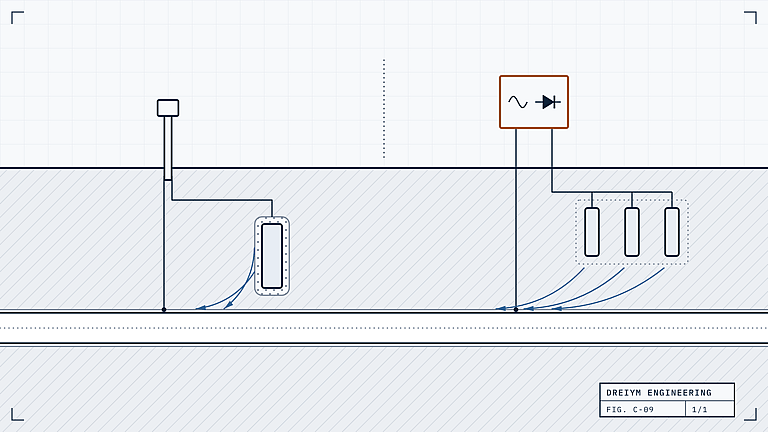
Corrosion and Cathodic Protection
The Two Types of Cathodic Protection Systems
Compare the two types of cathodic protection systems, galvanic and impressed current, including how each works, lifespans, and which fits your project.
5 min read
Insights
Page 10 of 11
182 to 201 of 203
Corrosion and Cathodic Protection
Compare the two types of cathodic protection systems, galvanic and impressed current, including how each works, lifespans, and which fits your project.
5 min read
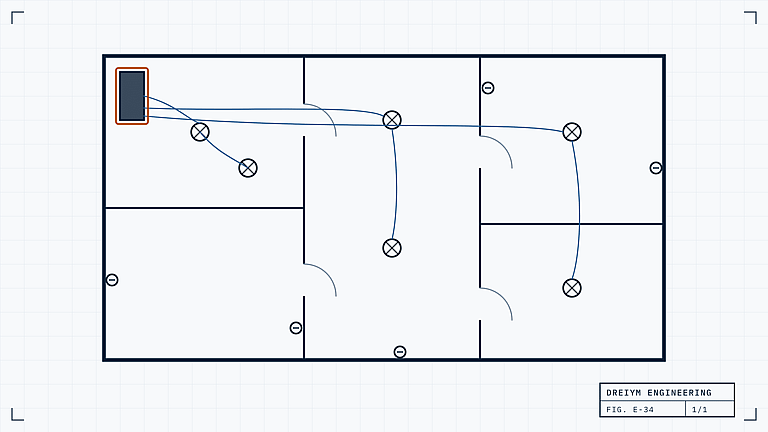
Electrical
See what electrical engineering design services include: facility design, power distribution, load lists, surge and lightning protection, and more.
5 min read
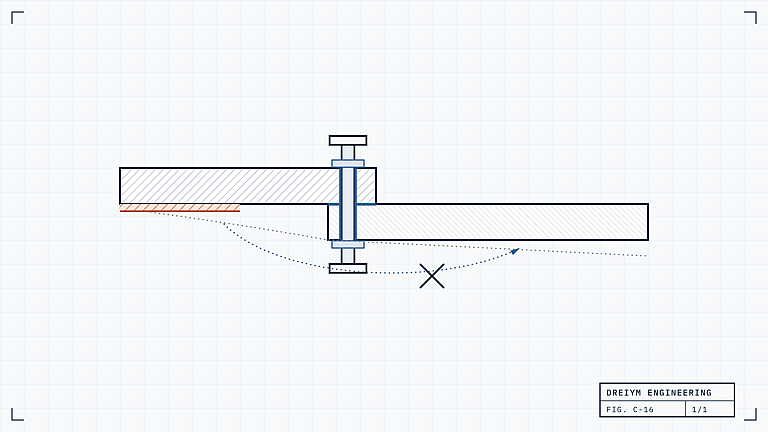
Corrosion and Cathodic Protection
Learn how to prevent galvanic corrosion with cathodic protection, compatible metal pairings, and sacrificial coatings that stop dissimilar-metal damage.
3 min readInteractive
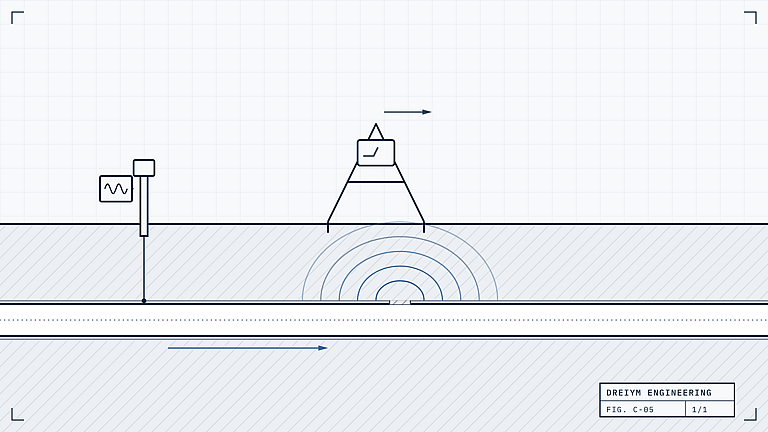
Corrosion and Cathodic Protection
What an alternating current voltage gradient (ACVG) survey entails: progressive measurements that locate and size pipeline coating defects.
2 min read
Corrosion and Cathodic Protection
Pipeline integrity management prevents corrosion failures and costly repairs. Learn why assessments, integrity planning, and steady upkeep matter.
2 min read
Electrical
Human error, dust and debris, and equipment failure are the main causes of arc flash. Learn how to prevent arc flash incidents at your facility.
2 min read
Corrosion and Cathodic Protection
The main corrosion control methods, from materials and coatings to cathodic protection, inhibitors and monitoring, and how to combine them.
8 min read
Electrical
Learn the causes and effects of short circuits, from inadequate protection to equipment misuse, and how short circuit analysis protects your facility.
3 min read
Electrical
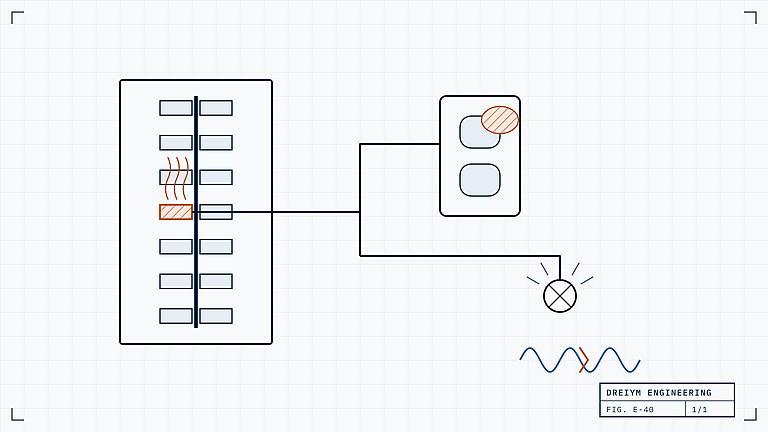
Frequent breaker trips, outdated wiring and hot outlets are top warning signs before an electrical fire. What to watch for and when to call an expert.
3 min read
Electrical
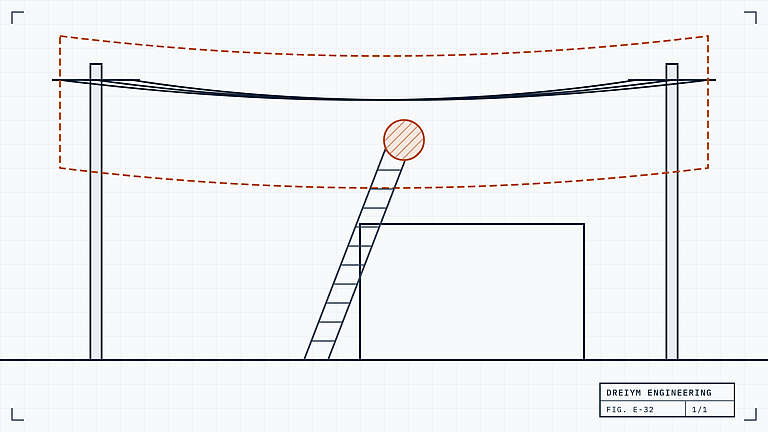
Electrical safety tips for construction site workers: overhead power line clearances, equipment inspection, wet conditions, and proper grounding.
7 min read
Forensic
Accident investigation and reporting determine liability, root cause and prevention. How corrosion failure, electrical failure and fire investigations work.
3 min read
Corrosion and Cathodic Protection
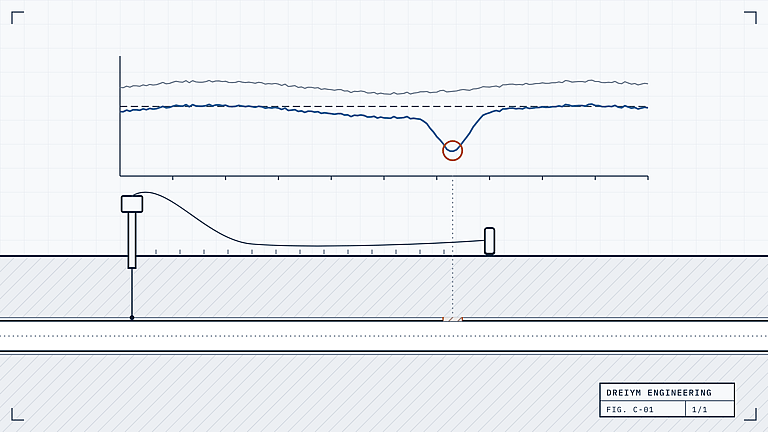
How does a close interval survey work? The three survey types, what the readings show and miss, and what federal rules actually require.
4 min read
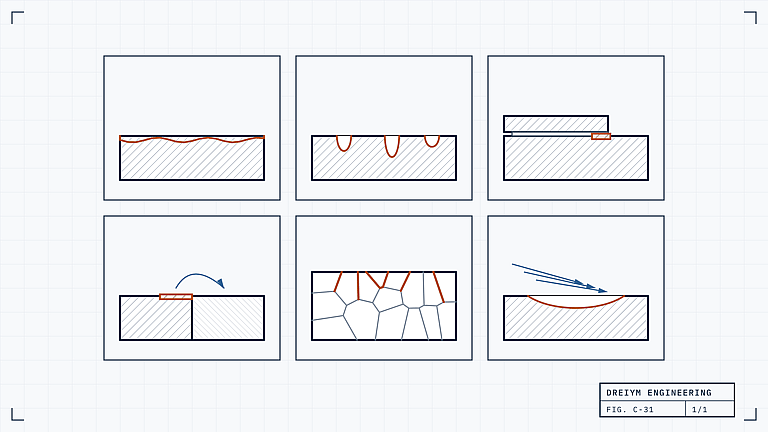
Corrosion and Cathodic Protection
Explore the most common types of corrosion - galvanic, pitting, crevice, and more - plus how to identify each one and protect your structures from damage.
8 min read
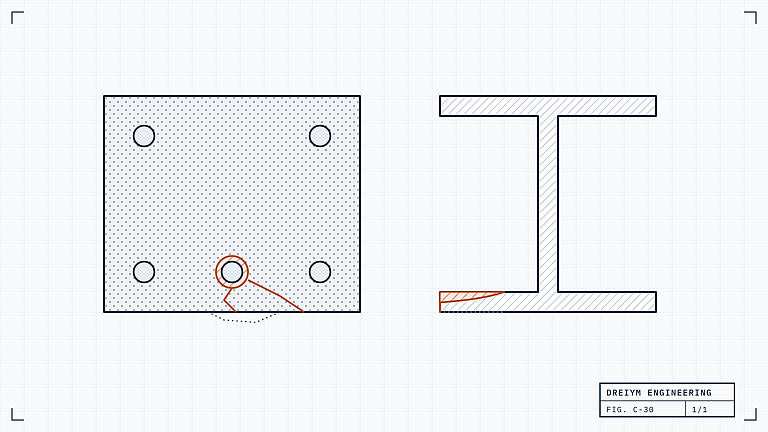
Corrosion and Cathodic Protection
Corrosion quietly weakens bridges, buildings, and pipelines. Learn the most common structural effects of corrosion and how inspections catch damage early.
2 min read
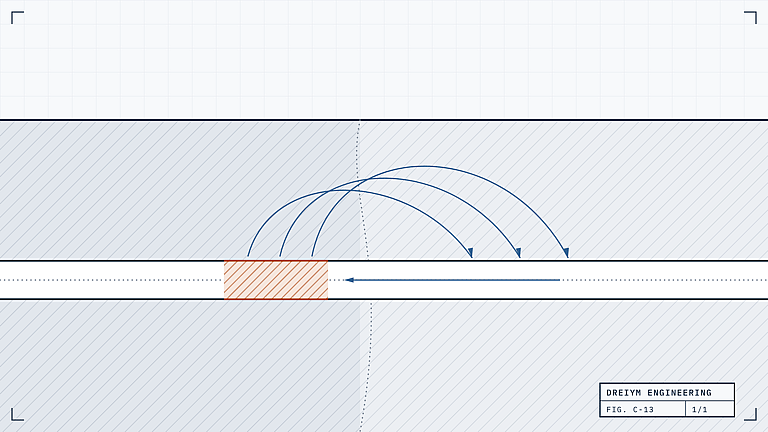
Corrosion and Cathodic Protection
Soil corrosion can quietly destroy buried infrastructure. How moisture, pH, aeration and temperature drive soil corrosivity, and when to test your site.
2 min read
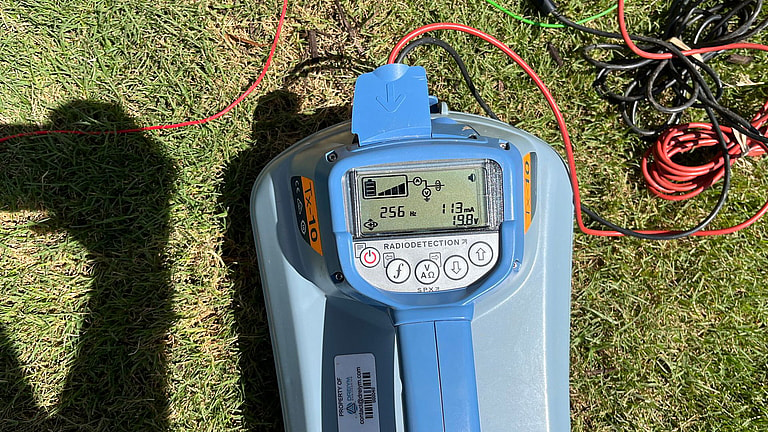
Engineering
Review the top safety hazards on a construction site - falls, falling objects, noise, chemicals, and electrical risks - and practical ways to prevent them.
6 min read
Corrosion and Cathodic Protection
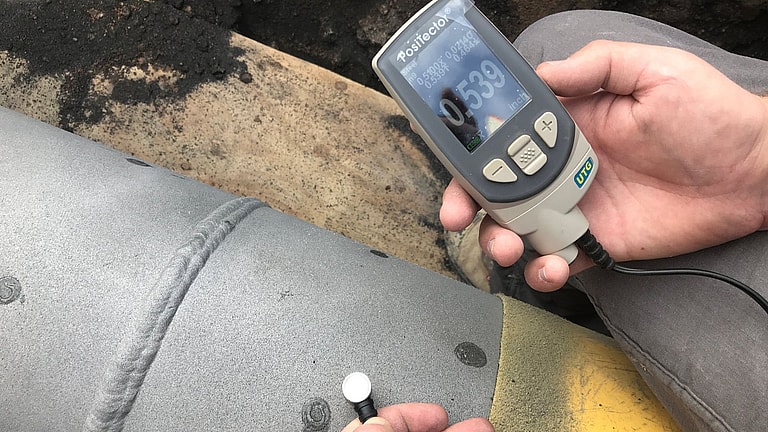
Protect your equipment from corrosion with methods corrosion engineers use: moisture control, barrier coatings and cathodic protection.
2 min read
Electrical
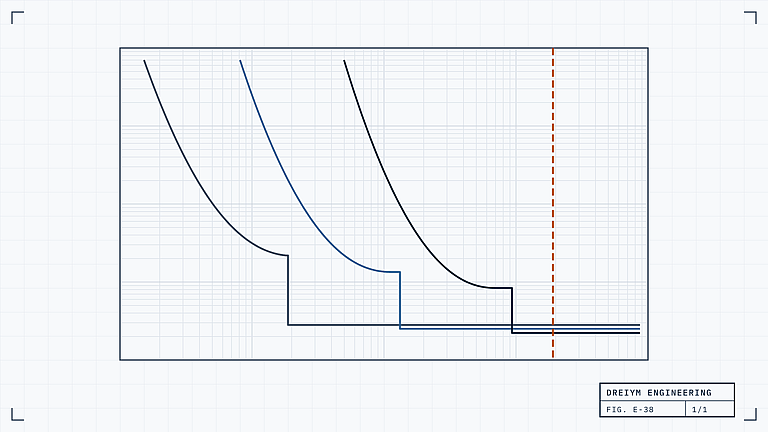
What a protective device coordination study is for: what engineers check, what happens during one, and how it limits outages, equipment damage and fires.
2 min read
Electrical
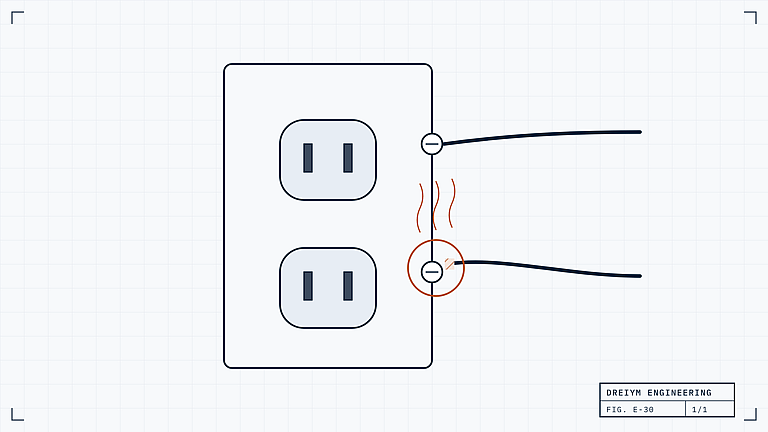
Discover the most common causes of electrical fires - faulty wiring, overloaded outlets, static, and aging equipment - and the warning signs to watch for.
7 min read
Corrosion and Cathodic Protection
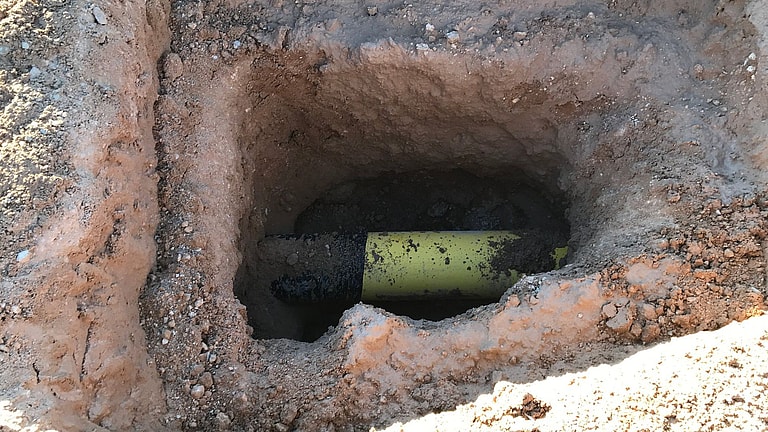
A pipeline inspection catches corrosion and construction defects before they cause failures. See what inspectors check and what your report includes.
2 min read
We typically respond within one business day.