Corrosion and Cathodic Protection
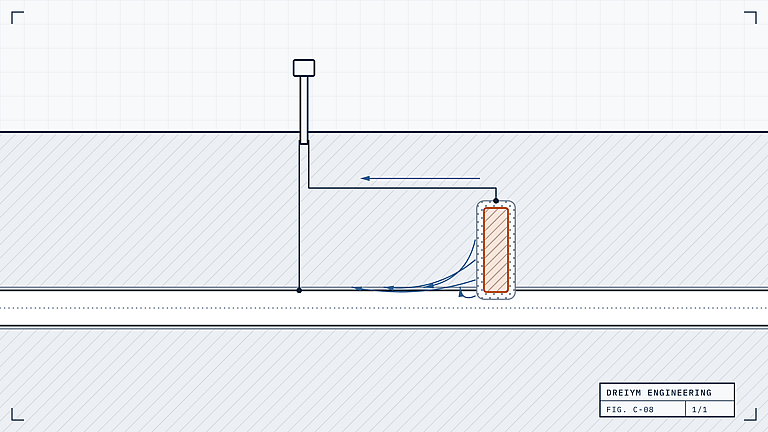
How Sacrificial Anodes Function
Learn how sacrificial anodes work: the magnesium, zinc, and aluminum alloys used, how they attach to structures, and the industries that rely on them daily.
2 min read
Insights
Page 9 of 11
162 to 181 of 203
Corrosion and Cathodic Protection
Learn how sacrificial anodes work: the magnesium, zinc, and aluminum alloys used, how they attach to structures, and the industries that rely on them daily.
2 min read
Corrosion and Cathodic Protection
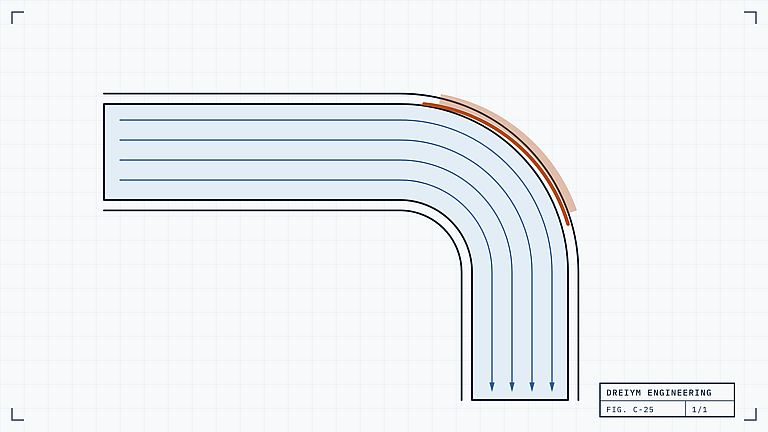
Flow-accelerated corrosion thins pipe walls by stripping the protective magnetite layer. What drives FAC and practical ways to prevent it in your system.
2 min read
Electrical
Missed a required building inspection? An Alternate Method of Compliance (AMOC) lets a PE verify hidden work: Ufer grounds, pools, and rough-in wiring.
5 min read
Corrosion and Cathodic Protection
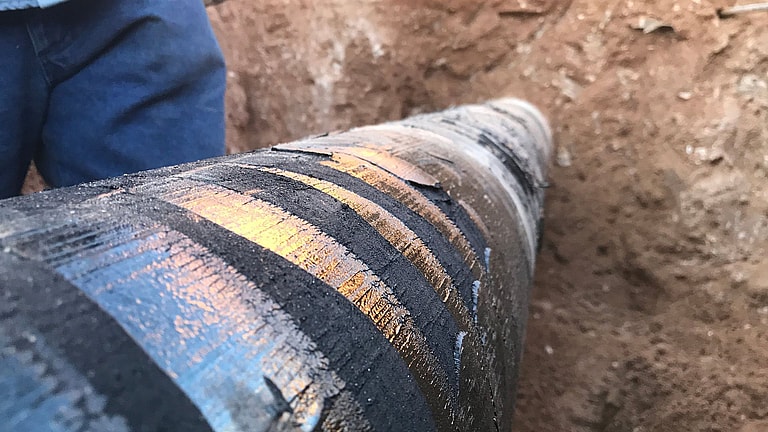
Prevent pipeline issues before they start: regular surveys, structural integrity analysis and cathodic protection stop leaks and corrosion.
6 min read
Electrical
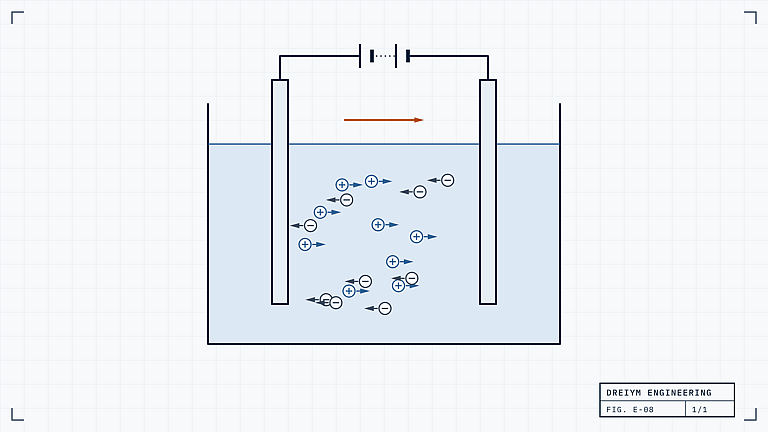
Can water conduct electricity? Pure water barely does, but tap water and seawater do. Which conductive liquids carry current and which ones insulate.
6 min read
Electrical
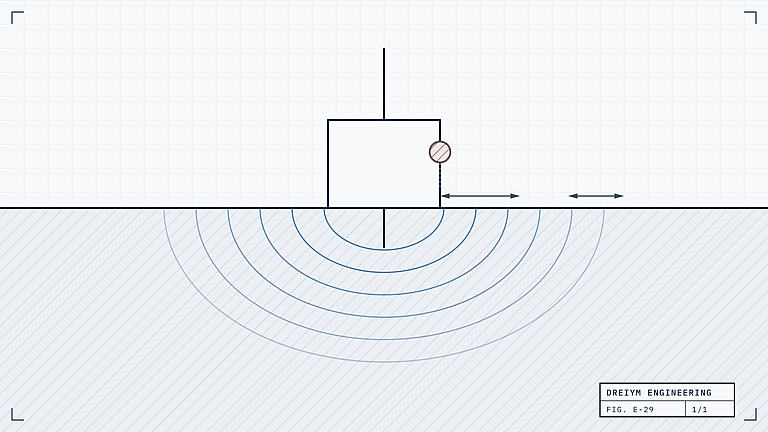
An on-site electrocution injury brings burns, cardiac arrest and lasting liability. The consequences for workers and employers, and how to prevent them.
5 min read
Corrosion and Cathodic Protection
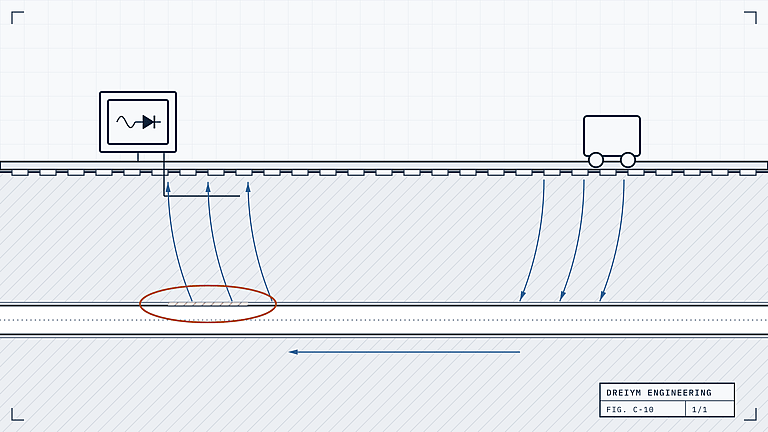
Learn the causes of stray current corrosion on pipelines and rail systems, how experts identify it, and the prevention methods that protect your assets.
6 min read
Electrical
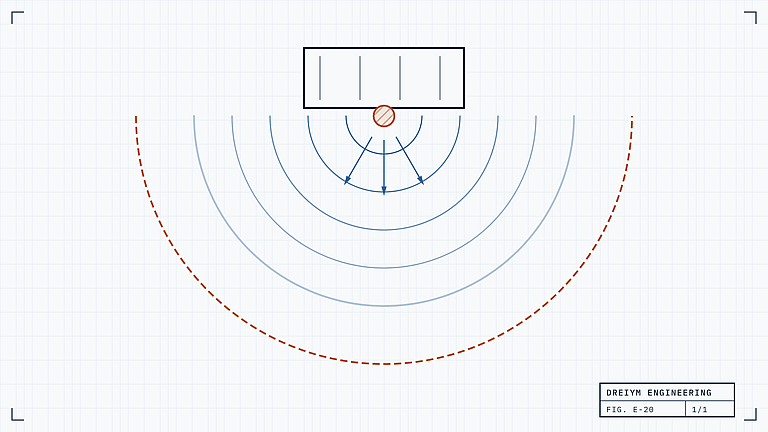
Discover what happens during an arc flash, the common causes behind these violent electrical events, and how an arc flash assessment protects your site.
2 min read
Corrosion and Cathodic Protection
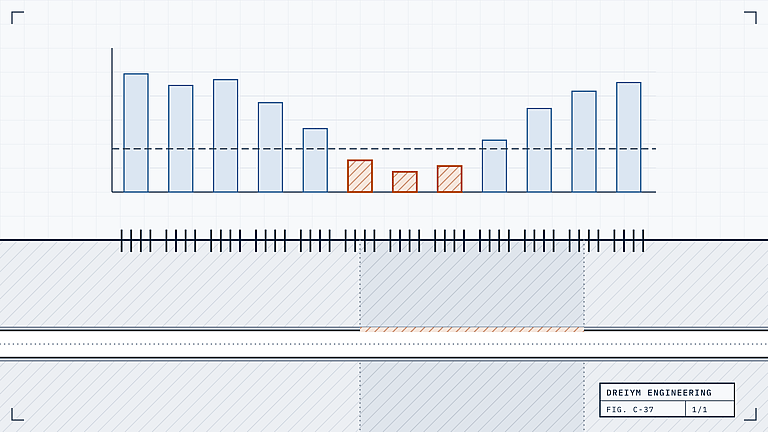
Learn how soil resistivity affects buried pipes, which soil factors accelerate corrosion, and how testing helps you plan effective cathodic protection.
2 min read
Corrosion and Cathodic Protection
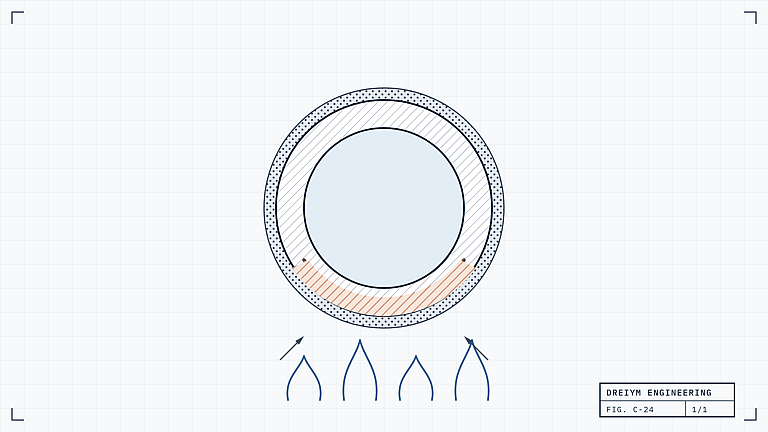
Explore this guide to high-temperature corrosion, including oxidation, sulfidation, and carburization, plus prevention strategies from corrosion engineers.
5 min read
Corrosion and Cathodic Protection
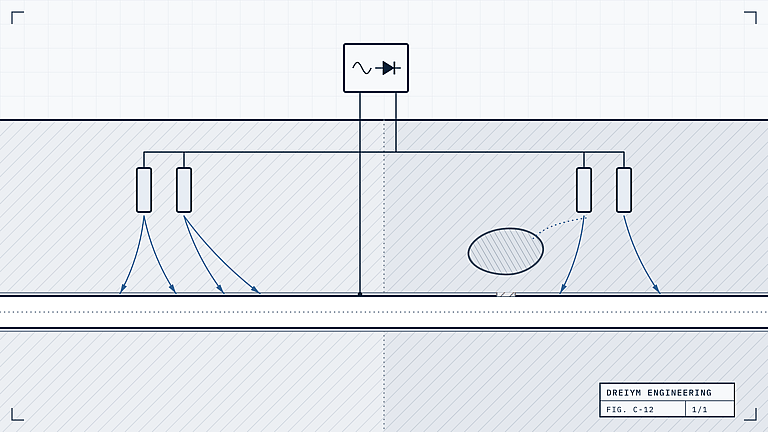
Understand the key factors affecting cathodic protection, from soil conductivity to coatings and metal type, so your system keeps corrosion in check.
5 min read
Corrosion and Cathodic Protection
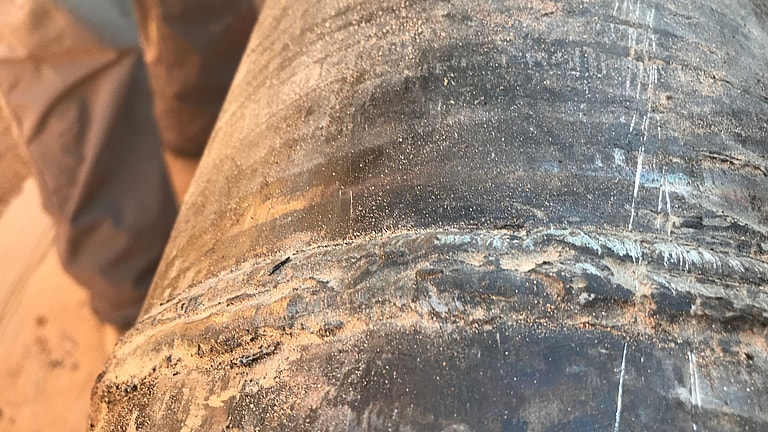
Spot the warning signs your natural gas pipeline is corroded, from corrosive soil to leaks, and learn when to schedule a cathodic protection survey.
2 min read
Forensic
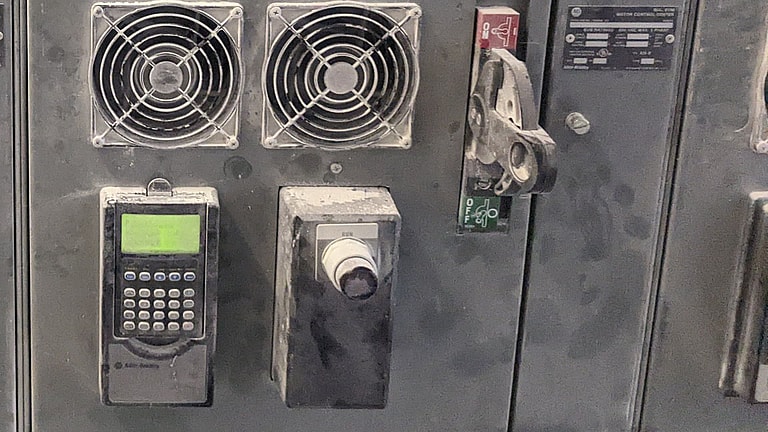
Review the top causes of PLC control system failure, including I/O module faults, electrical noise, and power supply issues, and how engineers fix them.
5 min read
Electrical
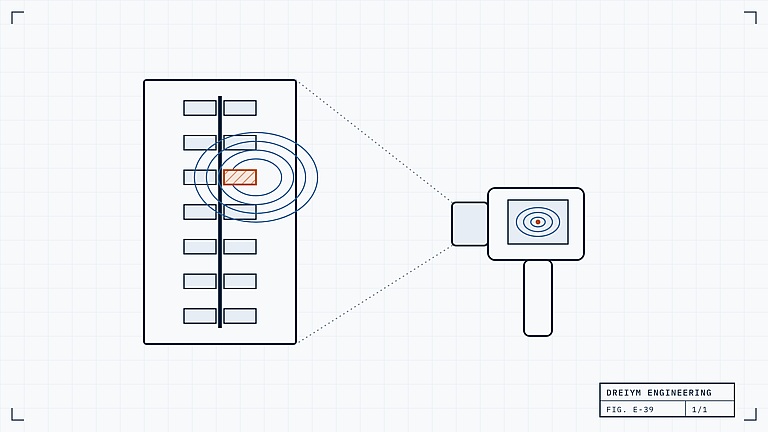
How infrared electrical inspections work, what thermography finds in panels and switchgear, what it misses, how often to scan and how to fix hot spots.
8 min read
Corrosion and Cathodic Protection
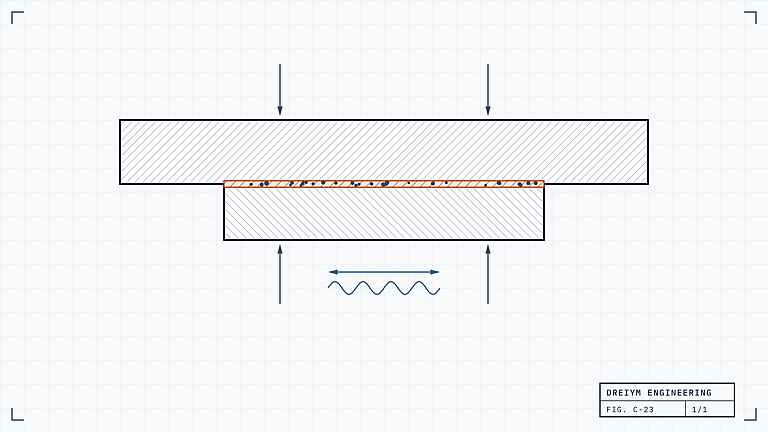
Learn how to prevent fretting corrosion with better mechanical design, proper lubrication, and expert corrosion surveys for vibration-prone equipment.
3 min read
Electrical
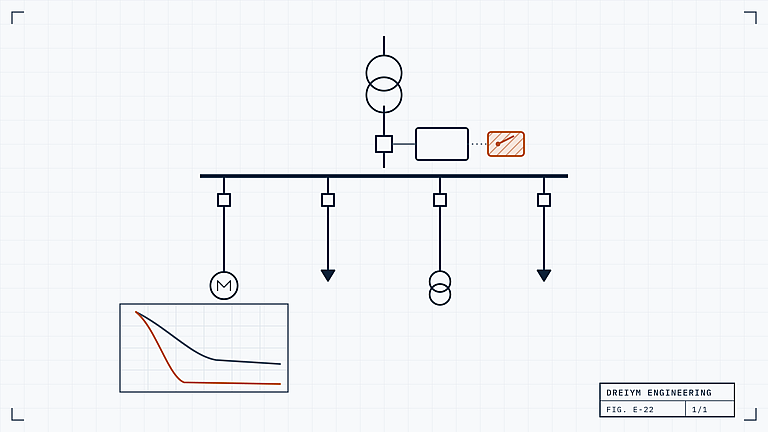
Reduce arc flash incidents by lowering fault current, training workers, and maintaining equipment, then verify safety with a professional arc flash study.
7 min read
Corrosion and Cathodic Protection
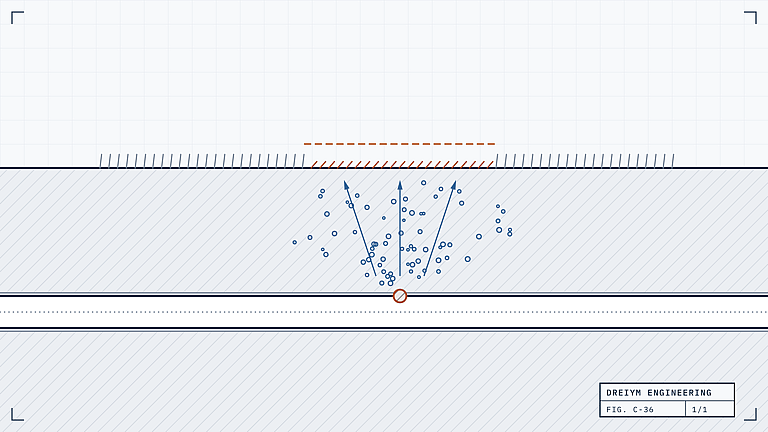
Know the signs of a natural gas leak in your pipeline, from odor to hissing sounds and visible corrosion, and how integrity inspections catch leaks early.
3 min read
Corrosion and Cathodic Protection
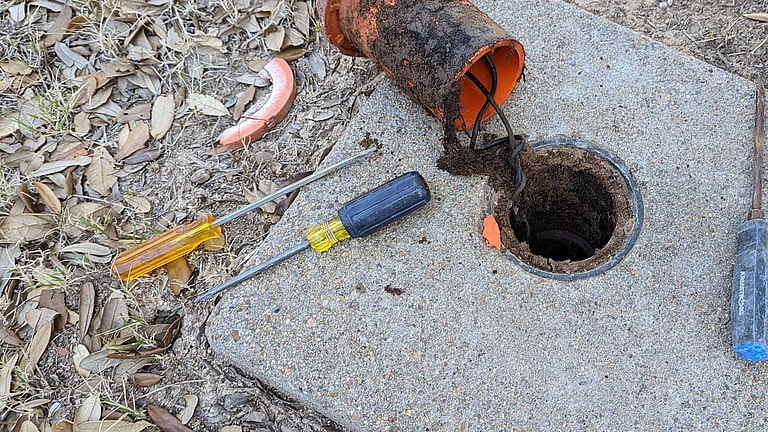
Corrosion testing finds hidden damage before it spreads. Learn how regular testing catches corrosion early and when to schedule a professional survey.
2 min read
Corrosion and Cathodic Protection
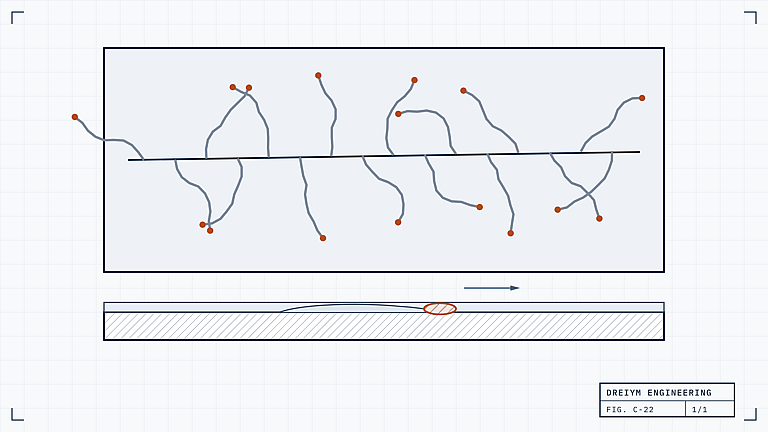
Filiform corrosion grows as thread-like filaments under paint on aluminum and steel. What causes it, how to spot it, and how to prevent it.
4 min read

Forensic
Learn when to hire a forensic engineer: determining liability, product liability claims, root-cause analysis, and expert witness support in litigation.
8 min read
We typically respond within one business day.