Consulting Areas
Forensic Engineering for Insurers and Adjusters
We typically respond within one business day.
Electrical, Fire, Lightning and Appliance Claims
What Carriers and Adjusters Get From Us
Forensic engineering for insurance claims answers the technical questions that decide coverage and recovery: what caused the loss, whether the damage claimed came from that event, and whether someone else is responsible. We investigate electrical, fire, lightning and power surge, and appliance claims for insurance carriers, independent and staff adjusters, and subrogation counsel.
Our licensed Professional Engineers inspect the scene as soon as possible, examine the evidence at our engineering lab in Coldspring, Texas, and write reports that set out the facts, the method and the opinions. Consulting-only retentions are accepted, and our engineers can testify when a claim goes to litigation.
Submit an assignment or contact us for a free quote. We typically respond within one business day.
Claims we investigate
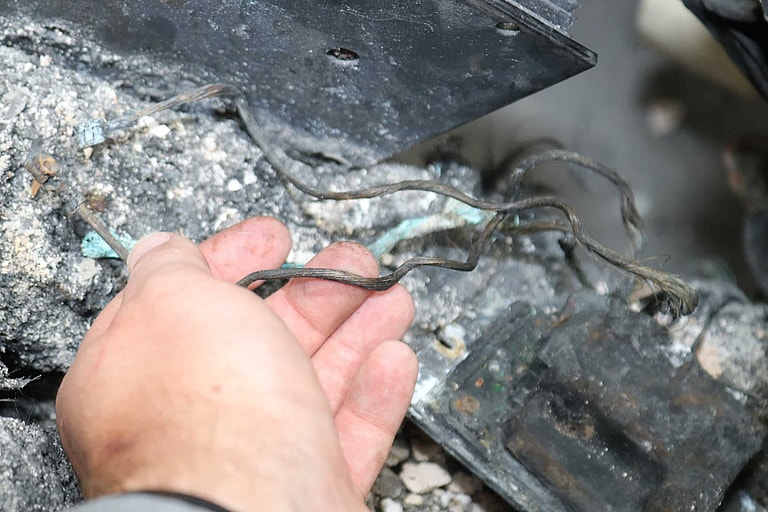
- Electrical fire investigation: whether wiring, a connection, a panel or an appliance started the fire, in homes, commercial buildings, plants and vehicles.
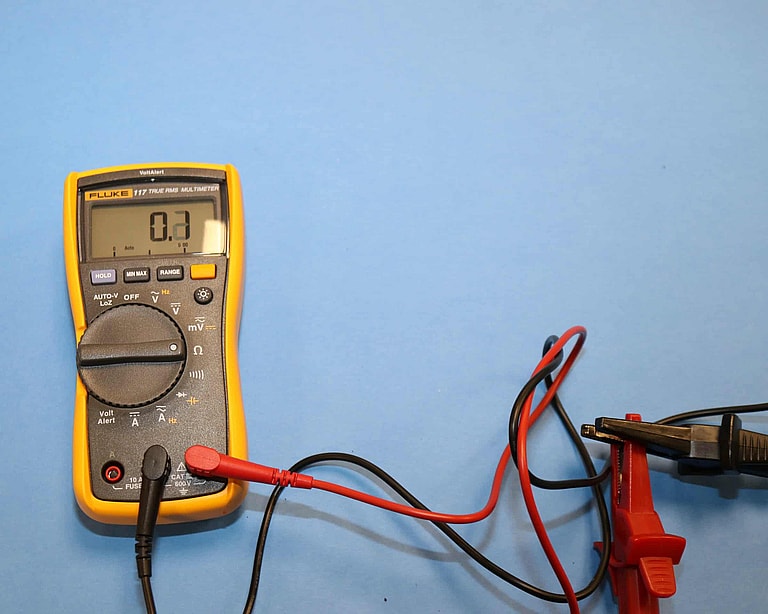
- Electrical failure analysis: switchgear, transformers, panels, motors, cables and controls, and whether a failure was sudden or the result of age and wear.
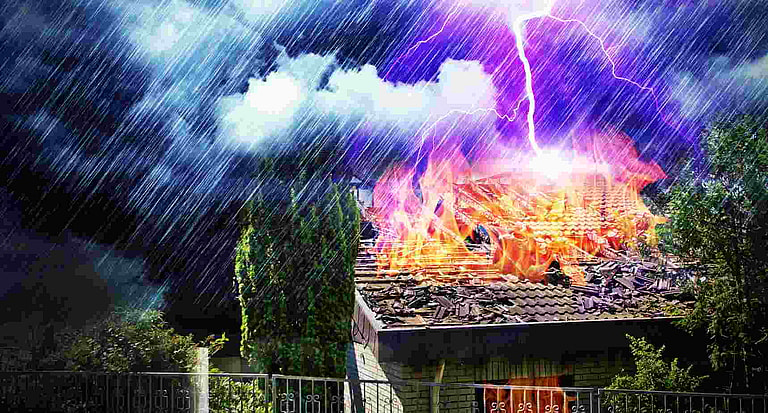
- Lightning and surge damage: whether a strike or a utility surge happened, and which listed items it damaged, item by item.
- Appliance failure investigation: heaters, dryers, refrigerators, HVAC equipment, chargers and cords, compared with exemplars where that helps.
- Electrical injury investigation: shock and electrocution, the current path, grounding and protection.
- Forensic corrosion engineering: why pipe, tanks and equipment corroded and failed.
Many claims involve more than one of these. A kitchen fire can turn on an appliance, a receptacle and a branch circuit at once, and a storm claim can mix lightning damage with equipment that had already failed. One engineering team looks at all of it, so the report gives one consistent answer.
How an Assignment Runs
- Assignment: send the loss address, the date, the insured contact, a short description and any known parties through the assignment form, or call (866) 621-6920. Assignment details are held in confidence.
- Scene inspection: we inspect as soon as possible, coordinate with other interested parties and document the scene before evidence is moved.
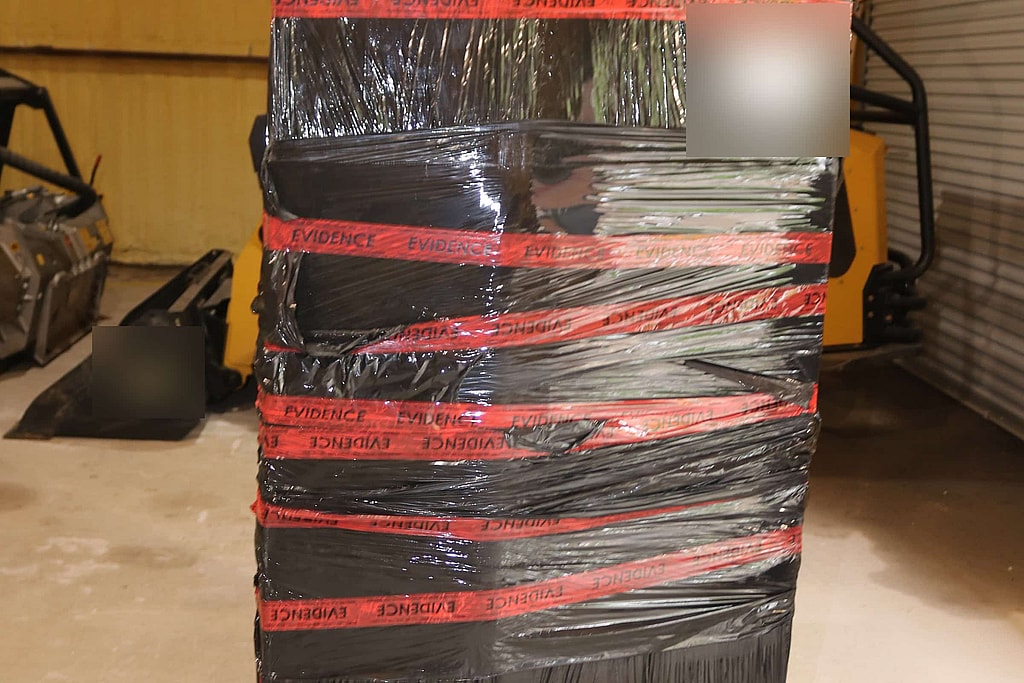
- Evidence: items are collected, labeled and moved to video-monitored storage at our Coldspring lab, with chain of custody records.
- Examination: non-destructive steps come first, including real-time X-ray; destructive steps follow a protocol agreed with the interested parties, with joint examinations when needed.
- Report: the findings, the method and the opinions in plain language, with photographs.
Subrogation Support
When the evidence points to a product, an installer, a contractor or a utility, the claim may be recoverable. We identify the parties who should be notified, keep evidence in a condition that holds up to their review, and arrange joint examinations at our lab so every party sees the same evidence under the same protocol.
Reports name the cause only as far as the evidence supports it, and say what was ruled out and why. That is what subrogation counsel and opposing experts look for first.
Where a product is involved, we record its make, model, serial number and date code, and check for recalls and similar reported failures.
Need CVs and rates before you assign the file? Request a CV.
Evidence Handling and the Lab
Evidence from every assignment is kept in video-monitored storage at our engineering lab in Coldspring, where it is examined with real-time X-ray, a microscope with a digital camera and exemplar comparison. Large items, including vehicles, can be held and examined there.
Joint examinations follow a written protocol sent to every party in advance: the items, the steps, their order and who attends. Each step is photographed, and parts removed during the examination stay with the evidence.
Before a loss scene is released, ask the insured and contractors not to reset breakers, remove panels, devices or appliances, or start demolition, and send notice to other parties. The fire scene evidence preservation checklist sets out each step for insurers and attorneys.
Frequently Asked Questions
How quickly can you inspect a loss?
As soon as possible. Tell us about deadlines, such as a scene being released or a building being demolished, when you assign the file. We typically respond within one business day.
Do you work for the carrier or the insured?
We are retained by carriers, adjusters, subrogation counsel, attorneys and owners. Whoever retains us, our opinions follow the evidence.
Do you work on claims outside Texas?
Yes. Our licensed Professional Engineers have active and past licensure in multiple states, and evidence can be shipped to our Coldspring lab for examination.
Can you examine evidence another firm collected?
Yes, when its chain of custody is documented. We also attend joint examinations at other labs.
What does an engineering report include?
The assignment, what was inspected and tested, the method used, the findings, the opinions with the basis for each, and photographs. Reports are PE-stamped where required.
Do you provide expert testimony?
Yes. Our engineers write expert reports and give deposition and trial testimony when a claim goes to litigation. CVs and rate schedules are available on request.
Can you help when the scene is already gone?
Often, yes. Photographs, the fire department report, utility records, retained items and witness statements can still answer some questions. The report states what could and could not be determined without the scene.
Related Reading
- Fire Scene Evidence Preservation: A Checklist for Insurers and Attorneys
Fire scene evidence preservation after a loss: notice to interested parties, joint scene exams, labeling, chain of custody and lab exams.
- What Does a Forensic Engineer Do?
What does a forensic engineer do? How these engineers investigate failures, fires and collapses, and when to hire one for litigation or insurance claims.
- Reasons You Need to Hire a Forensic Engineer
Learn when to hire a forensic engineer: determining liability, product liability claims, root-cause analysis, and expert witness support in litigation.
Related Services
Forensic Electrical Engineering
Fire Investigation
Lightning / Surge Damage
Project experience
Related projects
South Texas
Restored SUV Engine Compartment Fire, South Texas
Origin and cause
Texas Hill Country
Lightning Damage at a Communication Tower Site, Texas Hill Country
Lightning and surge
Charlotte, NC
Charlotte Lightning Analyses
Lightning and surge
East Texas
Rental Compact Track Loader Fire, East Texas
Equipment fire
North Texas
Refuse Truck Hopper Fire, North Texas
Vehicle fire
North Texas
Moving Truck Rear Brake Fire, North Texas
Vehicle fire
Have a loss to investigate?
We typically respond within one business day.