Consulting Areas
Infrared Thermography Inspections for Electrical Systems
We typically respond within one business day.
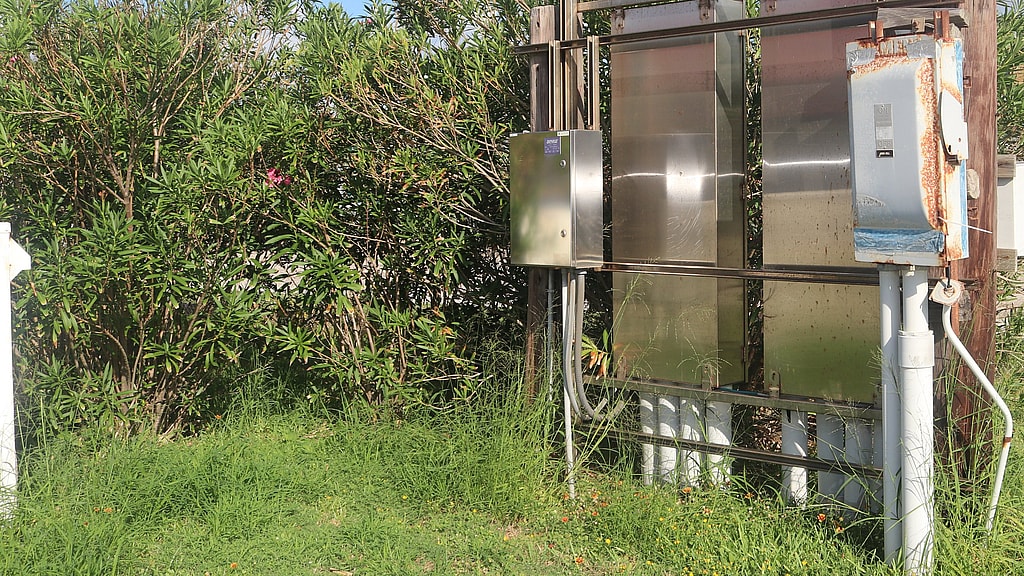
Infrared Thermography Inspection
An infrared thermography inspection uses a thermal camera to find electrical parts that run hotter than they should while the equipment is energized and carrying its normal load. Loose or corroded connections, overloaded or unbalanced circuits and failing components usually heat up well before they fail. Our engineers review the scans and send a report that ranks each finding by how urgently it needs attention.
Our infrared electrical inspection services cover industrial plants, campuses and commercial facilities, as a one-time survey or a recurring program. Recent work:
- Chemical Plant Infrared and Grounding Work, Pasadena
- Community Campus Arc Flash Study and IR Scan, Austin
- Arc Flash Study and Infrared Scan at an Electronics Facility, Austin
Contact us for a free quote. We typically respond within one business day.
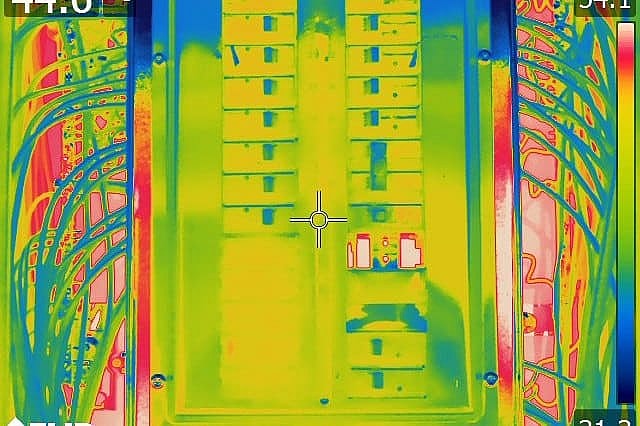
What an Infrared Electrical Inspection Finds
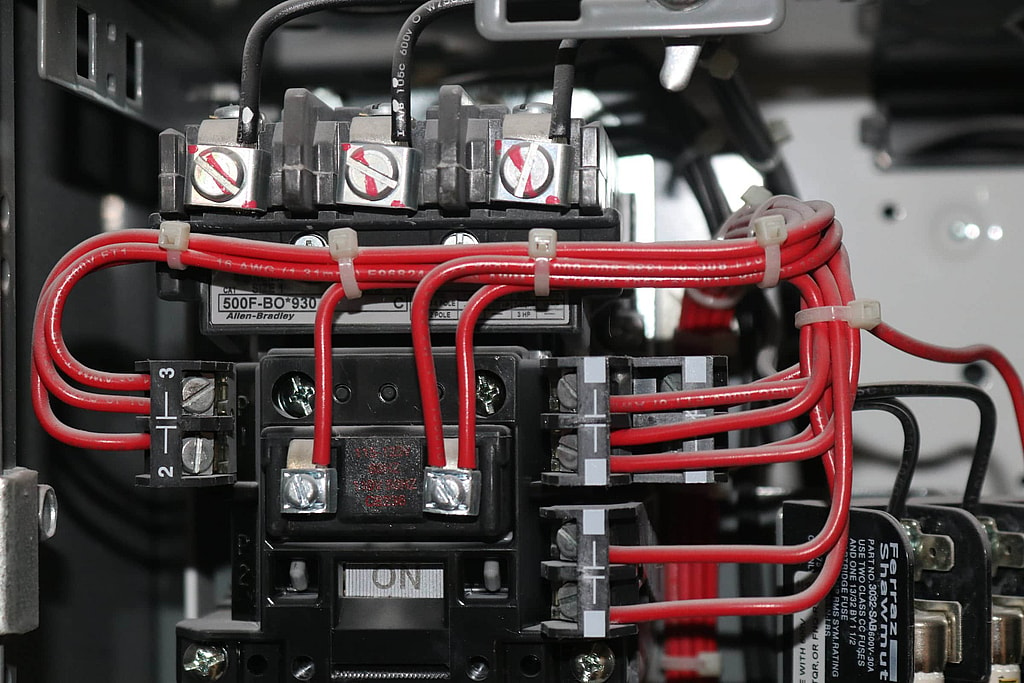
Abnormal heating is often the first sign that an electrical part is headed for failure. A loose or corroded connection has extra resistance, current through it turns into heat, and the heat makes the damage worse. A typical survey turns up:
- Loose, corroded or under-torqued connections at lugs and bus joints
- Fuse clips that have lost tension and breakers running hot
- Overloaded conductors and phase imbalance
- Failing components in panels, motors and wiring
Found early, the repair happens on your schedule instead of after an outage.
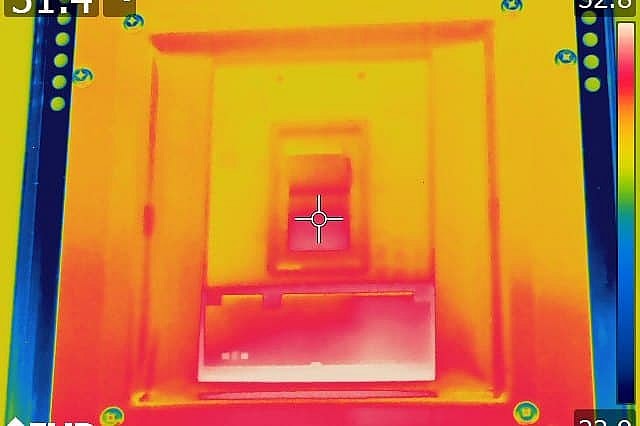
Infrared image of a switchgear section
When to Schedule a Thermographic Survey
NFPA 70B, the standard for electrical equipment maintenance, calls for an infrared scan at least every 12 months, and every 6 months for equipment in poor condition (Condition 3). Schedule an extra scan:
- After installing new equipment, changing loads, or other environmental or operational changes
- Before an insurance inspection or renewal, so a dated report is on file
- After a repair, to confirm the hot spot is gone
Pick a time when the equipment carries its normal load. A scan on a quiet holiday weekend can make a real problem look normal.
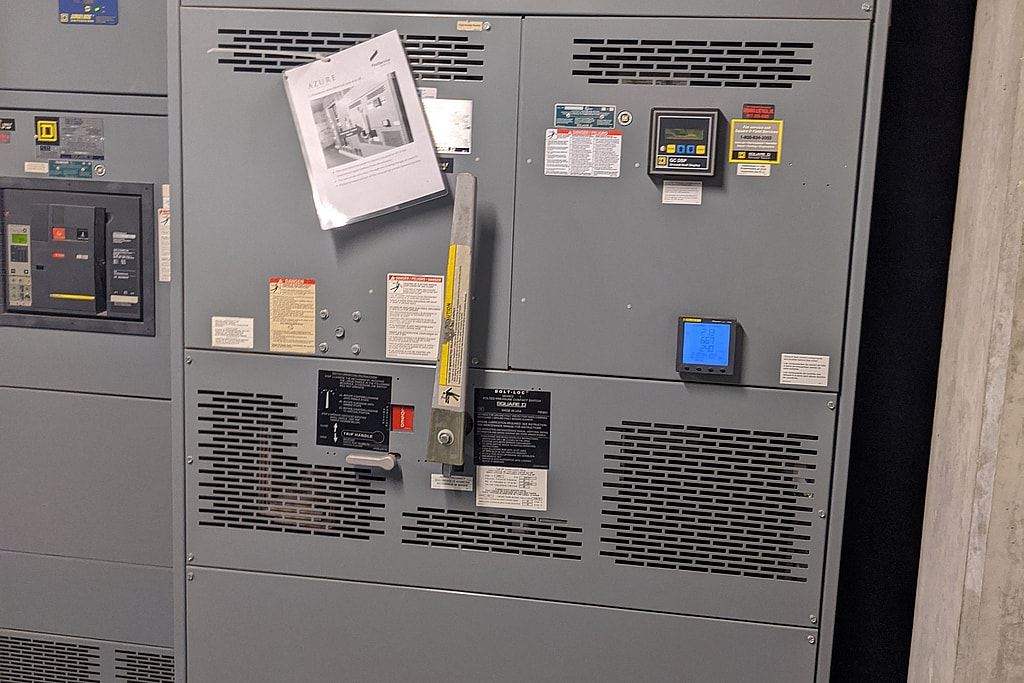
Main switchboard in an apartment building
No Shutdown, Done Safely
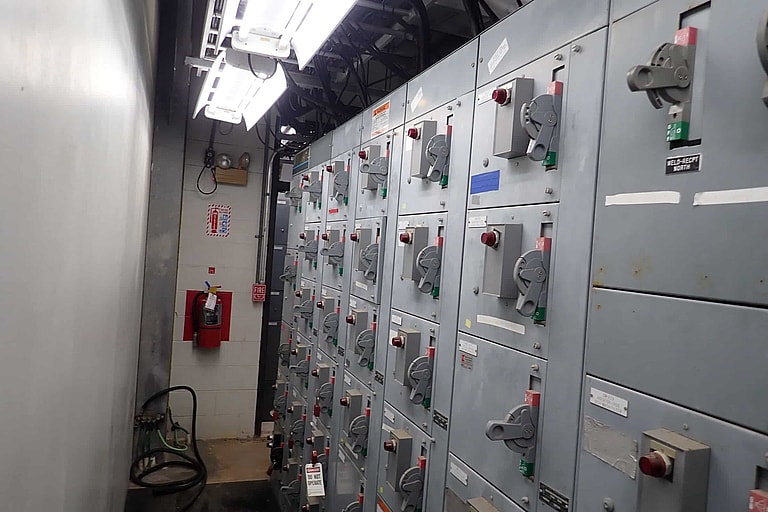
No shutdown is needed: the scan only works under load. NFPA 70E® treats opening covers on live equipment as a task where an arc flash is likely, so it is done by qualified personnel in the PPE on the equipment’s arc flash labels.
What a Thermal Scan Can't See
Infrared thermography is a strong screening tool, not a complete electrical test. Reading the results correctly depends on knowing its limits:
- Closed enclosures. The camera only sees surfaces in its line of sight. Covers have to come off, or infrared windows have to be installed.
- Shiny metal. Clean copper and aluminum bus reflect infrared much like a mirror, so we read the insulation or a painted surface next to the joint instead.
- Light load. Heat goes with the square of the current. At half load, a bad connection makes a quarter of its full-load heat, so a real problem can look normal.
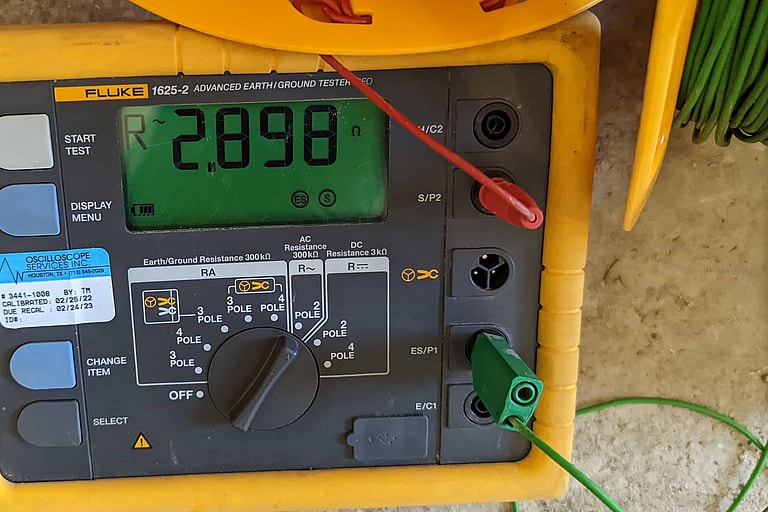
- Problems that make no heat. A scan won’t tell you whether a breaker will trip on a fault; that takes testing and a protective device coordination review. A broken bond or corroded grounding electrode carries little current in normal service, so grounding system testing covers that.
More detail: what an infrared electrical safety scan can and can’t see. When equipment has already failed, see our electrical failure analysis services.
How an Infrared Thermography Inspection Works
We list the equipment to scan and pick a time when it will be under representative load. Each piece is scanned with emissivity and reflections accounted for, and the load is written down with every image. Each hot spot is classified by how much hotter it runs than similar components, a licensed Professional Engineer reviews the findings, and the corrections are ranked by priority. After your electrician makes the repairs, a follow-up scan confirms the fix.
The report gives each anomaly’s thermal image, temperature rise and load, a severity ranking and a recommended next step. It is PE-stamped where required.
How findings are ranked
As a reference, we use the temperature rise guidance in the NETA Maintenance Testing Specifications (ANSI/NETA MTS, Table 100.18). It compares each hot spot two ways: with a similar component carrying a similar load, and with the surrounding air.
| Rise over a similar component | Rise over ambient air | What it suggests |
|---|---|---|
| 1 to 3 °C | 1 to 10 °C | Possible deficiency; warrants investigation |
| 4 to 15 °C | 11 to 20 °C | Probable deficiency; repair as time permits |
| Not listed | 21 to 40 °C | Monitor until corrective measures can be accomplished |
| Over 15 °C | Over 40 °C | Major discrepancy; repair immediately |
The table is a starting point, not the whole judgment. We also weigh the load at the time of the scan, the type of component and how critical the circuit is, so a modest rise on a main breaker can rank above a larger one on a lightly loaded branch circuit.
How often to scan: NFPA 70B and NETA MTS
NFPA 70B ties the interval to equipment condition: at least every 12 months, and more often for equipment in poor condition. NETA MTS also adjusts its maintenance frequency guidance for condition and for how critical the equipment is. For a plant with a mix of equipment, that usually means an annual survey of everything plus more frequent scans of the gear in poor condition or the gear that would cost the most to lose.
Who Does the Work and What It Costs
Founded in 2014, Dreiym Engineering is a professional engineering firm with over 30 years of combined experience. We send licensed engineers into the field to oversee testing and data collection. Our electrical engineers, Brian J. Brackensick, M.S., P.E. and Stepan V. Eero, M.S., P.E., are licensed Professional Engineers with active and past licensure in multiple states.
We don’t publish a flat price. Cost depends on how much equipment is scanned, how many sites are involved, cover access, off-hours visits to catch representative load, and whether you need a one-time report or a recurring program. Quotes are free, and rate schedules are available on request.
We work all over Texas, including Austin, Houston, Dallas and San Antonio, from offices in Coldspring, Texas, and Westcliffe, Colorado, and take projects in other states. Contact us or call (866) 621-6920 for a free quote. We typically respond within one business day.
Related work: Hill Country grounding and infrared program.
Frequently asked questions
What is an infrared thermography inspection?
It is a non-contact survey of energized electrical equipment with a thermal camera. Components that run hotter than similar components under the same load point to loose or corroded connections, overload, imbalance or a failing part. An engineer then classifies each finding by severity and recommends what to do.
Is a thermographic survey the same as an infrared electrical inspection?
Yes. A thermographic survey, an infrared electrical inspection, electrical infrared testing and an IR scan all describe the same service: a thermal-camera scan of electrical equipment under load. “Thermographic survey” is the more technical term.
How often should electrical equipment be scanned?
NFPA 70B calls for a scan at least once every 12 months, and every 6 months for equipment rated Condition 3. Scan again after installing new equipment, changing loads or making a repair. Keeping each year’s images and load readings together turns single readings into a trend.
How much does an infrared electrical inspection cost?
It depends mainly on how many pieces of equipment are scanned, how many sites are involved, how the covers will be removed, when the scan has to happen to catch representative load, and what reporting you need. We provide a free written quote after a short scoping call.
Is an infrared inspection safe, and does it require a shutdown?
No shutdown is needed. The equipment has to be energized and under load, or the scan shows nothing. The risk is in opening covers on live equipment, which NFPA 70E treats as a task where an arc flash is likely, so qualified personnel in arc flash PPE do that step. Infrared windows installed during a planned outage let later scans be done with the doors closed.
What equipment can be scanned?
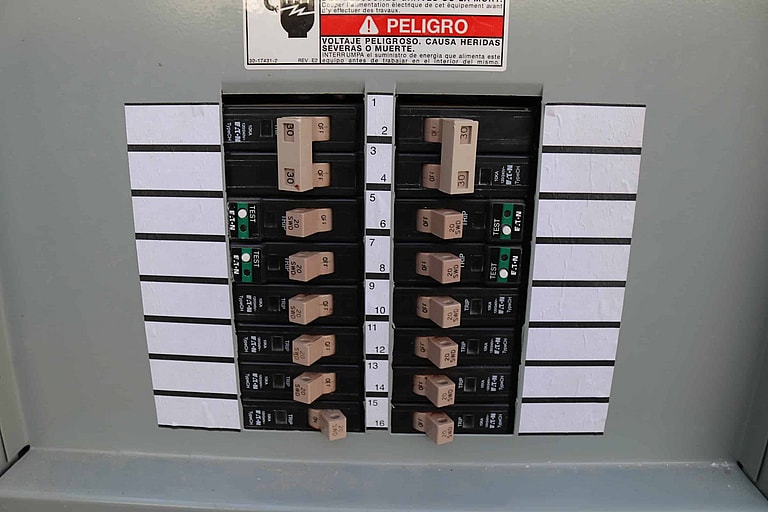
Switchgear, panelboards, motor control centers, disconnects, transformers, bus duct, motors and generators, along with the wiring and terminations inside them. To schedule a scan, contact us for a free quote. We typically respond within one business day.
Related Reading
- Infrared Electrical Inspections: What They Find and What Happens Next
How infrared electrical inspections work, what thermography finds in panels and switchgear, what it misses, how often to scan and how to fix hot spots.
- See the Hidden Dangers: Infrared Technology for Electrical Safety
An infrared electrical safety scan uses electrical thermography to find hot joints in live equipment. What it misses and how often NFPA 70B calls for one.
- Loose Wires and Loose Electrical Connections: Warning Signs, Fire Risk and Prevention
What a loose connection is, why loose electrical connections heat up and start fires, the warning signs, and what fire investigators look for afterward.
Related Services
Arc Flash Studies
Grounding System Testing
Residential Electrical Inspections
Project experience
Related projects
Austin, TX
Arc Flash Study and Infrared Scan at an Electronics Facility, Austin
Arc flash, infrared
Pasadena, TX
Chemical Plant Infrared and Grounding Work, Pasadena
Infrared, grounding
Austin, TX
Community Campus Arc Flash Study and IR Scan, Austin
Arc flash, infrared
Texas Hill Country
Grounding and Infrared Program, Hill Country
Grounding, infrared
Get your project started
We typically respond within one business day.