Consulting Areas
Pipeline Direct Assessment (ECDA)
We typically respond within one business day.
What Is External Corrosion Direct Assessment (ECDA)?
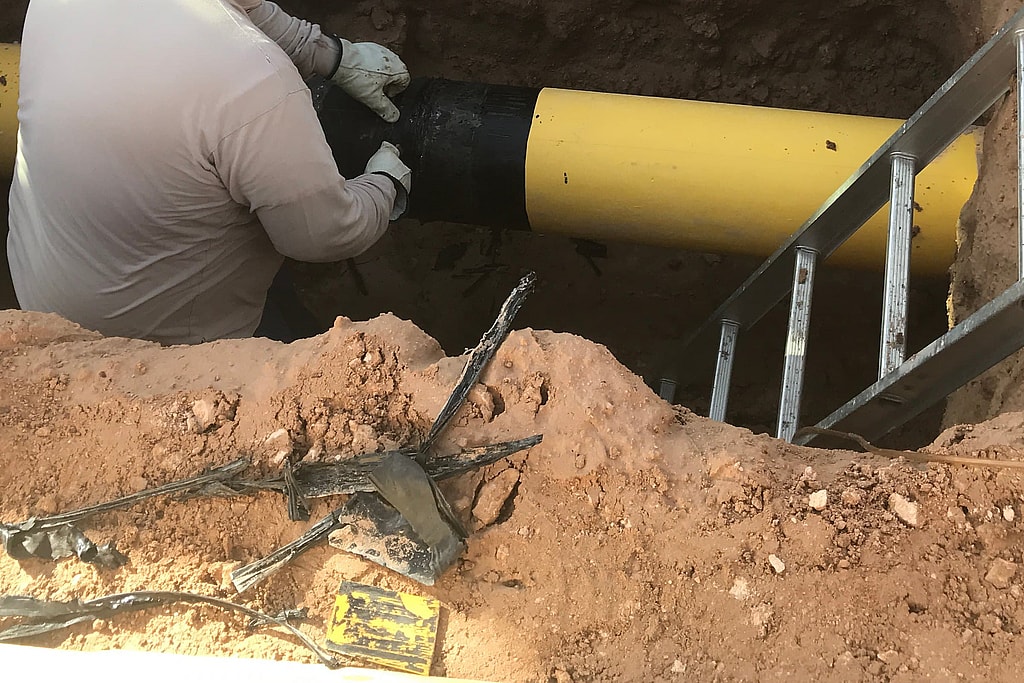
External corrosion direct assessment (ECDA) is a pipeline direct assessment method: a structured process for finding where a buried steel pipeline is most likely to be corroding on the outside, and checking it there. It combines the pipeline’s records with above-ground surveys run along the line, excavates and examines the pipe at the locations the data point to, and uses what the digs find to judge the condition of the rest of the segment. The process is set out in NACE SP0502, Pipeline External Corrosion Direct Assessment Methodology, a standard now maintained by AMPP.
ECDA has four steps:
- Pre-assessment: collect and review the data, decide whether ECDA is feasible, divide the line into ECDA regions and choose the survey tools.
- Indirect inspection: survey the line from the surface to find coating defects and areas where cathodic protection is weak.
- Direct examination: excavate at the highest-priority indications, examine the coating and the pipe, and measure the corrosion.
- Post-assessment: calculate remaining strength and remaining life, set the reassessment interval and confirm that the process worked.
Our corrosion engineers support pipeline operators through every step, from the records review and the surveys to the dig examinations and the final report. Our article on the benefits of pipeline direct assessments gives a shorter overview.
Request a free quote for a direct assessment or an evaluation dig. We typically respond within one business day.
Pre-assessment and indirect inspection
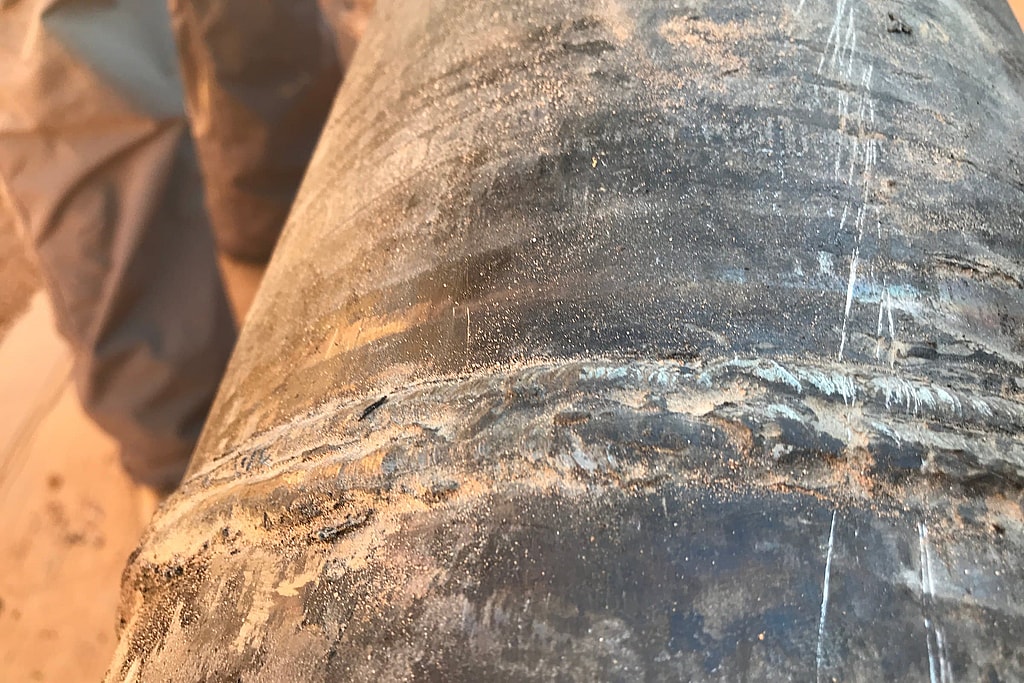
Pre-assessment gathers what is known about the segment: pipe material and diameter, coating type and age, construction and repair history, cathodic protection records and survey data, soils and terrain, casings, crossings and nearby foreign structures, and operating history, including leaks. That review shows whether ECDA will work on the segment. Conditions such as shielding coatings, paved or frozen ground, cased crossings and water crossings can keep surveys from reading the pipe, and those areas need a different approach. The line is then divided into ECDA regions with similar conditions.
Indirect inspection runs at least two complementary surveys over each region, because no single tool finds every kind of problem. A common pairing is a close interval survey (CIS), which shows where cathodic protection is weak, with a DCVG or ACVG survey, which locates coating holidays. The results are aligned by location, and each indication is classified by severity and prioritized for excavation as immediate, scheduled or suitable for monitoring.
Direct examination: what the dig measures
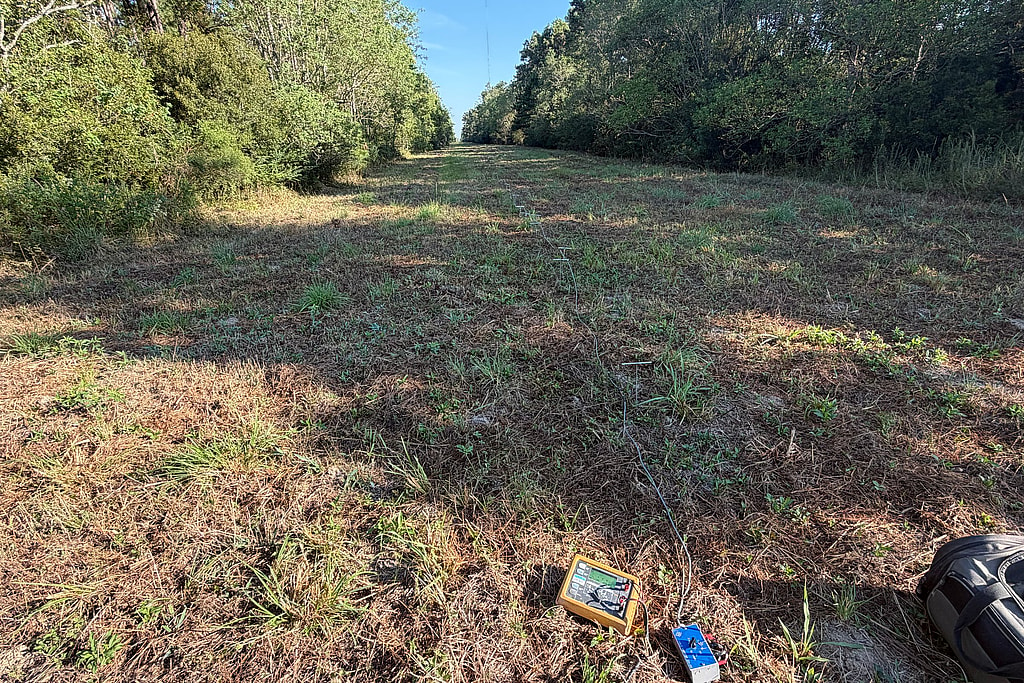
At each dig, the pipe is exposed and examined before and after the coating is removed. Our engineers document:
- Coating condition: coating type, adhesion, holidays, blistering and disbondment, mapped and photographed.
- Pipe-to-soil potentials at the dig: readings at the exposed pipe, compared with the survey data and the cathodic protection criteria.
- Soil and electrolyte samples: soil from around the pipe and any liquid trapped under disbonded coating, tested for pH, resistivity and bacteria, with corrosion products collected for analysis.
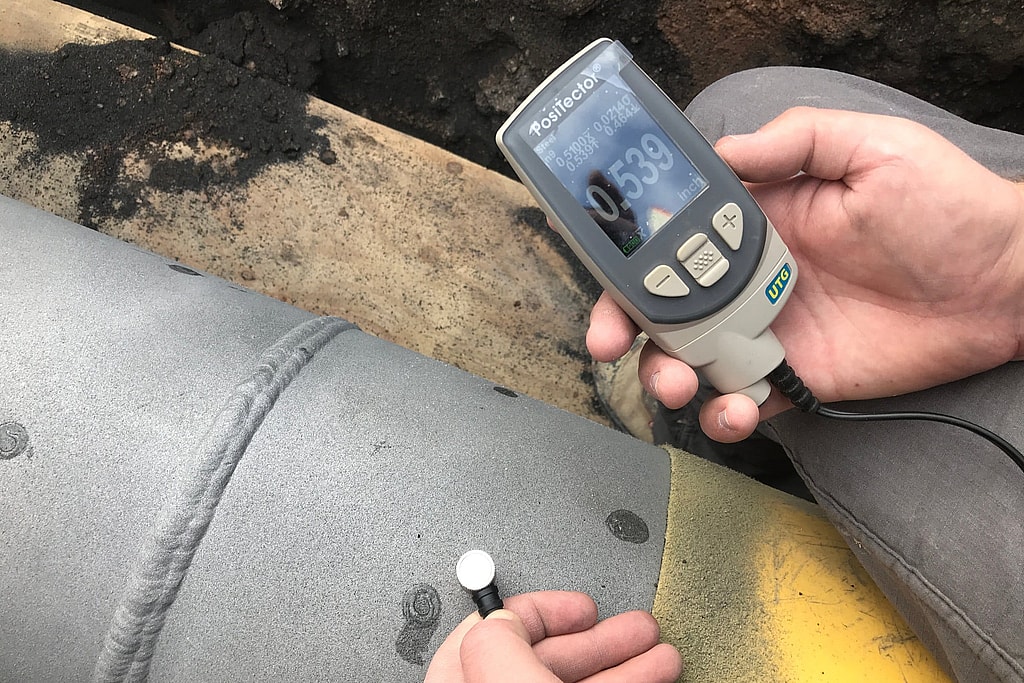
- Corrosion and pit depth: the extent of the corroded area and the depth of the deepest pits, measured so the remaining strength of the pipe can be calculated.
Where significant corrosion is found, a root cause analysis looks at why, such as coating damage combined with weak cathodic protection, corrosive soil, interference or a shielding coating, so the same problem can be found and fixed elsewhere on the line. See our soil corrosivity analysis and interference testing pages.
Our direct assessment work is overseen by licensed Professional Engineers. Stepan V. Eero, M.S., P.E. is a NACE CP Specialist (CP4), and Brian J. Brackensick, M.S., P.E. is a NACE CP Technologist.
Post-assessment: remaining strength and reassessment
Post-assessment turns the dig results into decisions. The remaining strength of each corroded area is calculated with a method such as ASME B31G, which uses the depth and length of the corrosion with the pipe’s diameter, wall thickness and grade to estimate the pressure the corroded pipe can safely hold. Estimated corrosion rates then give a remaining life, which sets the repairs and the reassessment interval. Additional digs help confirm that ECDA was effective on the segment. Our pipeline integrity assessment page covers remaining strength and fitness-for-service in more detail.
Where direct assessment fits
For gas transmission pipelines in high consequence areas, the integrity management rules in 49 CFR Part 192, Subpart O, allow direct assessment as one of the assessment methods, alongside in-line inspection and pressure testing. ECDA addresses the external corrosion threat; related direct assessment processes address internal corrosion (ICDA) and stress corrosion cracking (SCCDA), each under its own standard. Direct assessment is often chosen where in-line inspection isn’t practical, such as lines without launchers and receivers, or with tight bends, diameter changes or low flow that a tool can’t pass. Hazardous liquid operators also use direct assessment within their own integrity programs. For intrastate lines in Texas and Oklahoma, the state pipeline safety regulators are the Railroad Commission of Texas and the Oklahoma Corporation Commission.
Our report covers each step, the survey data, the dig results and the recommended repairs and reassessment interval, formatted for your integrity management records and PE-stamped where required. We also perform evaluation digs outside a formal ECDA program, for example after a leak or a survey indication on an unregulated line, an underground tank or another buried structure, and we provide internal corrosion services. Our offices are in Coldspring, Texas and Westcliffe, Colorado.
Request a free quote for a direct assessment or an evaluation dig. We typically respond within one business day.
Frequently Asked Questions
What are the four steps of ECDA?
Pre-assessment, indirect inspection, direct examination and post-assessment. Pre-assessment reviews the records and defines the ECDA regions; indirect inspection surveys the line from the surface; direct examination excavates and examines the pipe at the priority indications; and post-assessment calculates remaining strength, sets the reassessment interval and confirms that the process worked.
Which surveys are used for ECDA indirect inspection?
At least two complementary tools are used over each region. A close interval survey is commonly paired with a DCVG or ACVG survey, and other tools, such as current attenuation surveys, are used where they suit the conditions. The choice depends on the coating, the cathodic protection system, the terrain and what the pre-assessment found.
When is direct assessment used instead of in-line inspection?
Mostly on lines where in-line inspection isn’t practical, such as lines without launchers and receivers, or with tight bends, diameter changes, low flow or other features a tool can’t pass. Direct assessment examines the pipe at selected locations for specific threats, while in-line inspection measures the whole length of the pipe, so the right choice depends on the line and its threats.
How often does a pipeline have to be reassessed after ECDA?
The interval comes from the post-assessment: the remaining strength and the estimated corrosion rate at the digs set how long the segment can safely go before the next assessment, within the maximum intervals the integrity management rules allow. Annual cathodic protection surveys continue in between.
Related Services
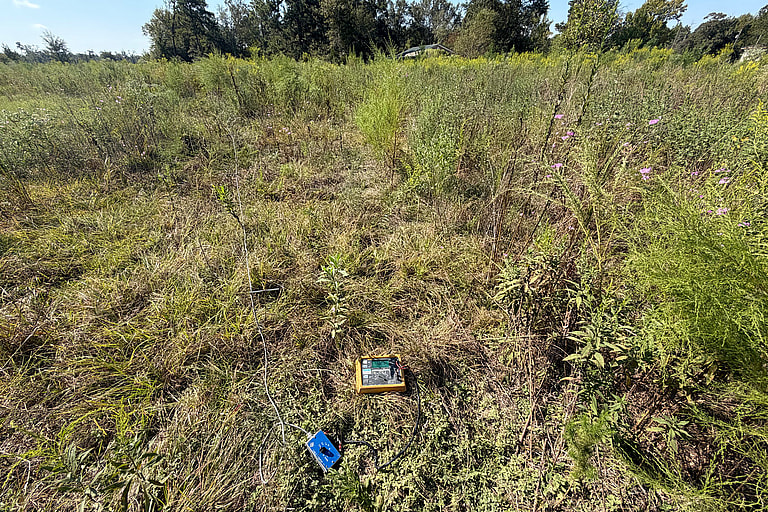
Soil Corrosivity Analysis
Field resistivity and laboratory pH, chloride, sulfate and bacteria testing of the soil around buried structures.
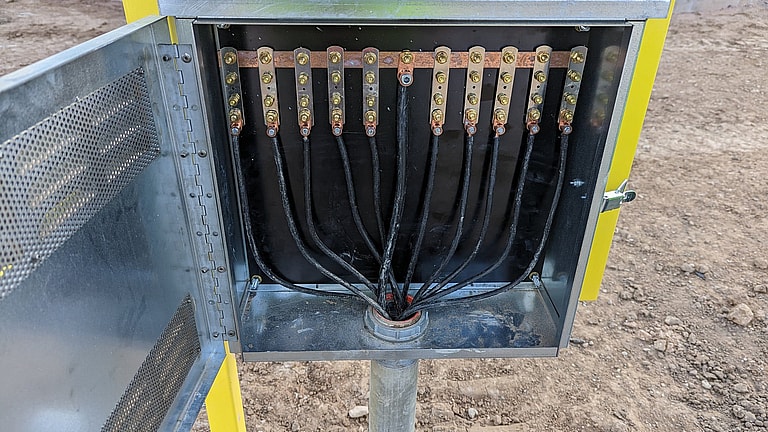
Corrosion Control Design
Design and installation of galvanic and impressed current cathodic protection systems.
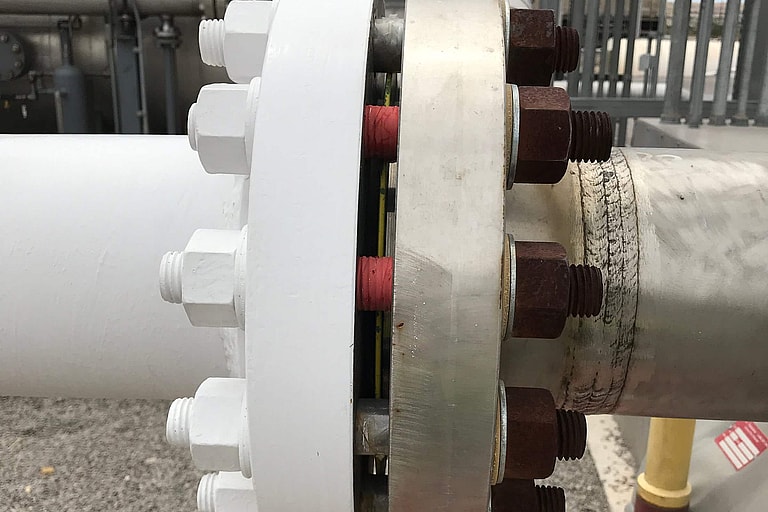
Interference Testing
Testing and mitigation of stray current and AC interference from foreign pipelines, DC transit and power lines.
Project experience
Related projects
Get your project started
We typically respond within one business day.