Consulting Areas
Internal Corrosion in Pipelines and Vessels
We typically respond within one business day.
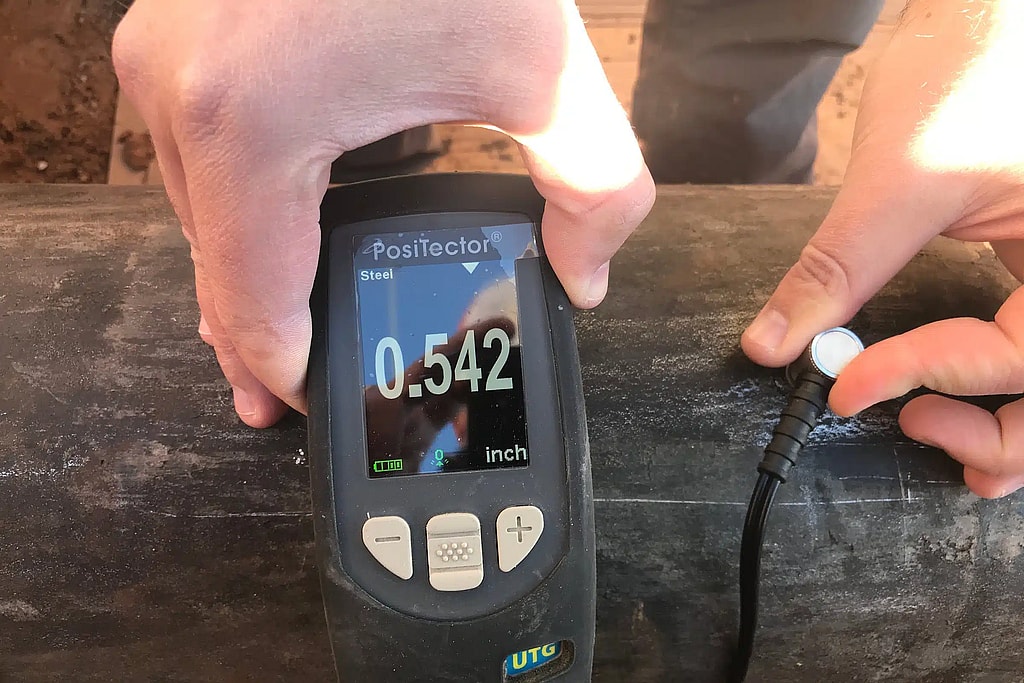
What cathodic protection cannot reach
On a pipeline, cathodic protection protects the outside surface in contact with soil or water. It does nothing for the inside of the pipe, where the product itself can be corrosive. Internal corrosion needs liquid water to start, so where water collects, and what is dissolved in it, decides where and how fast the steel is attacked. Three dissolved gases do most of the damage in oil and gas service: carbon dioxide, hydrogen sulfide and oxygen.
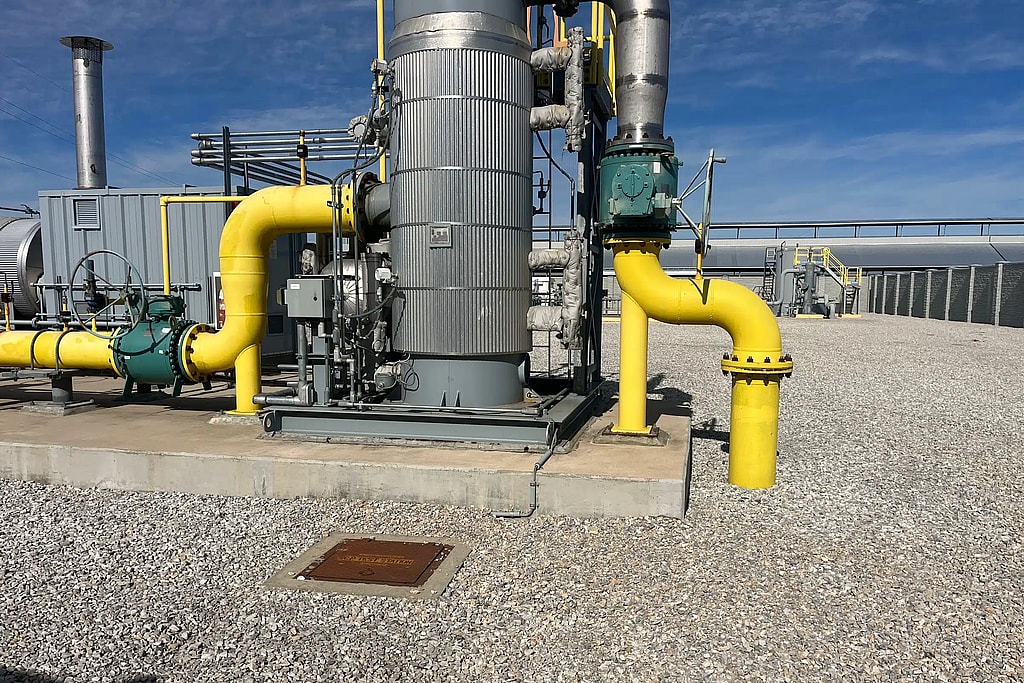
The main forms of internal corrosion
Each of the dissolved gases attacks steel in its own way, and each has its own page.
Sweet corrosion (CO2)
Carbon dioxide dissolved in water forms carbonic acid. Where the iron carbonate film that forms on the steel is patchy, the attack concentrates into pitting and mesa attack. See sweet corrosion.
Sour corrosion (H2S)
Hydrogen sulfide dissolved in water attacks steel and leaves iron sulfides behind. Besides pitting, sour service can crack steel, so materials for it are selected and qualified under NACE MR0175/ISO 15156. See sour corrosion.
Oxygen corrosion
Even small amounts of dissolved oxygen keep corrosion going and make CO2 and H2S corrosion worse, which is why water handling systems remove oxygen. See oxygen corrosion.
Microbiologically influenced corrosion
Bacteria can drive corrosion inside lines too, with by-products that include CO2, H2S and organic acids, and deposits that hide pitting underneath. Our article on the causes of microbiologically influenced corrosion covers the organisms involved.
Seeing pitting, leaks or failed coupons inside a line? Request a free quote. We typically respond within one business day.

Monitoring and control
- Federal rules. Under 49 CFR 192.477, where corrosive gas is transported, coupons or other monitoring must be checked twice each calendar year, at intervals not exceeding 7.5 months, to show whether internal corrosion control is working.
- Coupons and probes. Weight loss coupons and electrical resistance or linear polarization resistance probes measure internal corrosion rates and show whether an inhibitor program is working.
- Removing water. Dehydrating gas, pigging out water and solids, and eliminating low spots where water collects all reduce internal corrosion.
- Internal corrosion direct assessment. For lines that normally carry dry gas, NACE SP0206 uses the pipe’s inclination to predict where water would collect first. If those locations are sound, locations less likely to collect water are unlikely to have corroded under the same conditions.
Where internal corrosion is most likely
Internal corrosion needs water or another electrolyte, so it concentrates where water collects or sits, such as low spots along the line. Federal rules build this in. Each new gas transmission line must be configured to reduce the chance that liquids collect, must have liquid removal features where liquids could collect, and must allow monitoring devices at locations with significant potential for internal corrosion (49 CFR 192.476).
Internal corrosion direct assessment (ICDA) works from the same idea. It identifies the places along a pipeline where fluid or other electrolyte, brought in during normal operation or by an upset, could reside, and focuses direct examination where internal corrosion is most likely (49 CFR 192.927). Unlike external corrosion direct assessment, it does not rely on surveys from the surface.
Whenever pipe is removed from a gas line for any reason, its inside surface must be inspected for corrosion, and if corrosion is found, the adjacent pipe must be investigated too (49 CFR 192.475). Those inspections, with photographs and the location of the pipe, are a record worth keeping.
How we can help
We evaluate internal corrosion alongside our cathodic protection work. That can mean reviewing what a line carries and how it operates, its monitoring data and inspection results, or examining corroded pipe after a leak as part of our forensic corrosion engineering. Our pipeline and tank integrity assessments look at both the inside and the outside of an asset.
How an internal corrosion review works
A review starts with what the line carries and how it runs, and ends with where to look and what to change. It draws on:
- Product and water. Gas or liquid analyses for CO2, H2S, oxygen and water, and water analyses where samples exist.
- Operations. Flow rates, pressures and temperatures, upsets, shut-in periods and pigging records.
- The profile of the line. Elevation along the route, to find where water can collect.
- Monitoring data. Coupon and probe results and inhibitor records. On hazardous liquid lines that use inhibitors, coupons or other monitoring equipment must be examined at least twice each calendar year, at intervals not exceeding 7.5 months (49 CFR 195.579).
- Inspection results. In-line inspection reports, removed pipe, leak and repair records, and any failed pipe.
The result is a short list of locations for examination or monitoring, changes to operation or treatment where the data support them, and a report reviewed by a licensed Professional Engineer. Where a leak has already happened, failed pipe can be brought to our Coldspring lab, held in video-monitored storage with its chain of custody documented, and examined.
Frequently asked questions
What causes internal corrosion in pipelines?
Water inside the line, together with what is dissolved in it. Carbon dioxide, hydrogen sulfide, oxygen and bacteria do most of the damage in oil and gas service, and the attack concentrates where water collects.
Does cathodic protection stop internal corrosion?
No. Cathodic protection protects the outside surface in contact with soil or water. The inside is controlled by removing water, by inhibitors, by material selection and cleaning, and by monitoring.
What is internal corrosion direct assessment (ICDA)?
A process that identifies the places along a pipeline where water or another electrolyte is most likely to collect, then examines the pipe at those places. For lines that normally carry dry gas it follows NACE SP0206 under 49 CFR 192.927.
How is internal corrosion monitored?
With weight loss coupons and electrical resistance or linear polarization resistance probes placed where corrosion is most likely, checked on a schedule. Where a gas line carries corrosive gas, 49 CFR 192.477 requires coupons or other monitoring to be checked twice each calendar year, at intervals not exceeding 7.5 months.
Where does internal corrosion usually occur?
Where water collects or sits, such as low spots along the line. That is why new gas transmission lines must be configured to reduce the chance that liquids collect, and must allow monitoring at the locations most at risk.
Talk to an engineer
Concerned about corrosion inside a line or vessel? Request a free quote. We typically respond within one business day.
Get your project started
We typically respond within one business day.