Alternate Methods of Compliance “AMOC” (Austin/Dallas/Houston)
Missed a required building inspection? An Alternate Method of Compliance (AMOC) lets a PE verify hidden work: Ufer grounds, pools, and rough-in wiring.
Reach out to Dreiym Engineering for any Corrosion, Electrical or Forensic Questions.
Contents
Inspections on residential and commercial buildings are common. Sometimes, issues can arise that require some extra steps, especially if you miss a required inspection. We can help you in the Austin and Dallas area with an alternate method of compliance (AMOC).
Key takeaways
- If a required building inspection was missed, the options can be opening the walls for a new inspection or, depending on the city, an alternate method of compliance (AMOC).
- Some cities require a professional engineer to inspect the wiring and construction methods.
- For a missed Ufer or pool inspection, signal tracing and fall of potential tests can show continuity, and purchase records help.
- For a missed rough-in inspection, an engineer normally opens a random sample of the new work and looks inside the walls with a video scope.
- These inspections are not for buying or selling real estate.
Related project: Ufer Ground Inspections for New Homes Around Austin
What do you do when you have missed a required building inspection?
So it turns out that somehow a required building inspection was missed. The city inspectors are informing you that you have a couple of options. First, you can tear down all of your drywall and let them re-inspect the home. This is a costly method that requires tons of expensive rework. Your second option, depending on the city, is going through an alternate method of compliance.
Alternate Method of Compliance
The Alternate Method of Compliance (sometimes referred to as AMOC) can also be called many different things in various jurisdictions. Some cities may require a professional engineer to inspect the home’s wiring and construction methods to ensure that the building was correctly constructed.
Missed Ufer Inspections
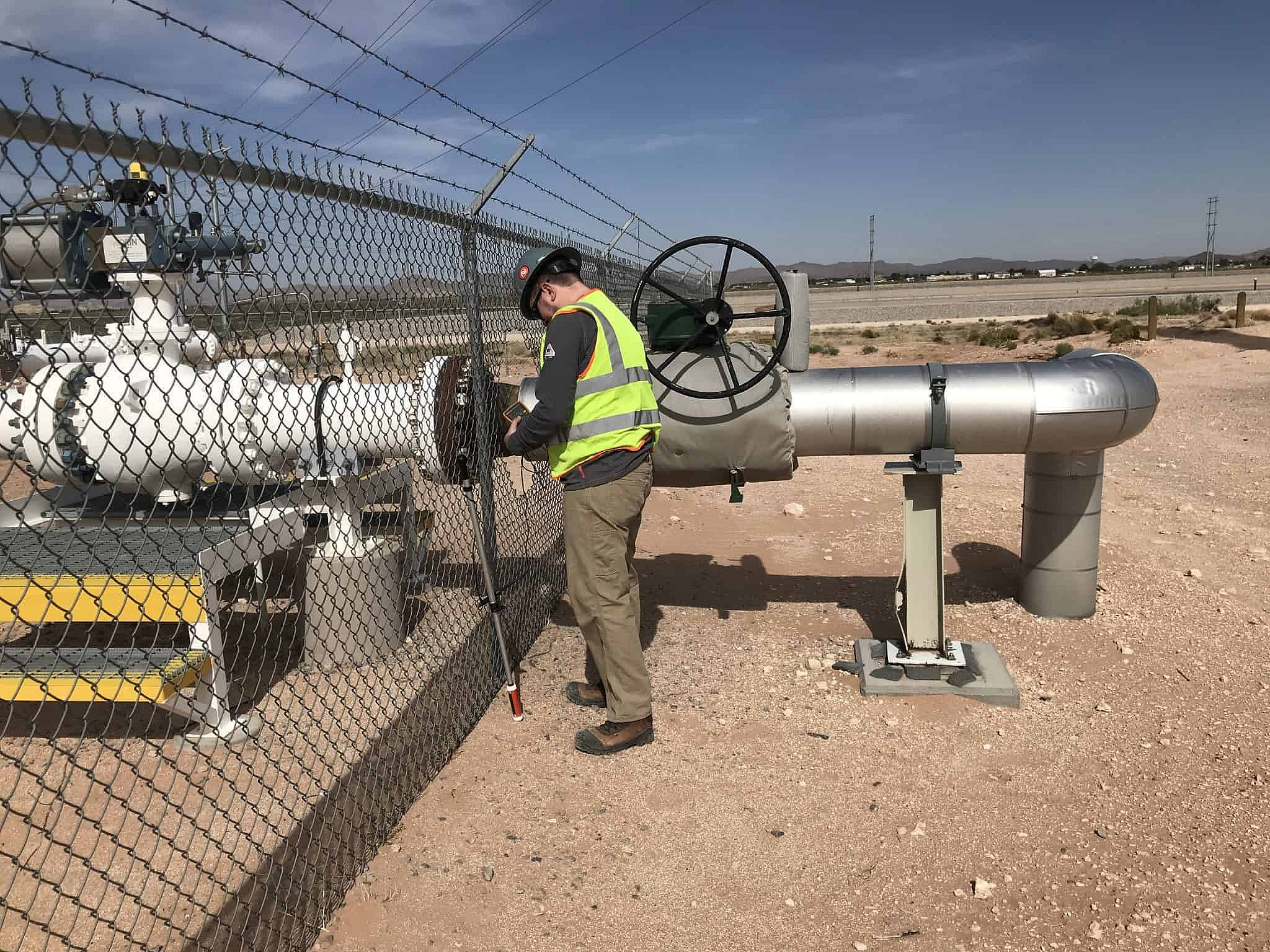
The first inspection type you may need is called a Ufer inspection. What is a Ufer Ground? It is a slang term that refers to utilizing the steel in your concrete slab as a grounding method. Ufer is the name of the engineer that created this as a solution to specific grounding problems.
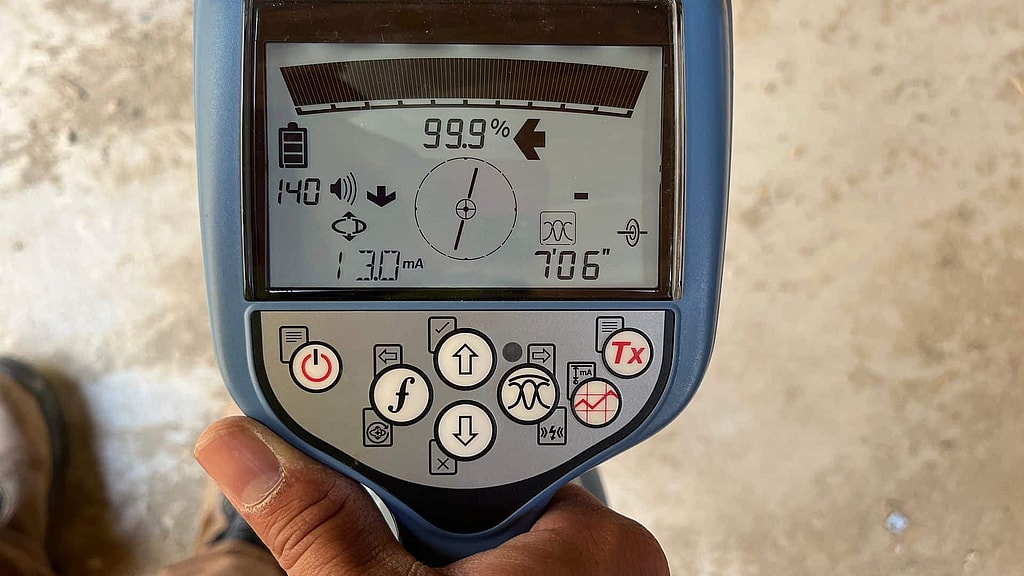
When you have missed the inspection of your concrete slab, a few things need to happen. First, electrical continuity between the slab reinforcing steel and the grounding busbar must be demonstrated. Continuity is measured point to point with a low-resistance ohmmeter or clamp-on ground resistance tester between the rebar connection and the grounding electrode conductor termination, with signal tracing used to confirm the conductor route. The fall-of-potential test of IEEE Std 81 is a separate measurement that establishes the electrode’s resistance to remote earth; it is reported alongside the continuity data, not in place of it. Second, the NEC (National Electrical Code) requires a copper grounding rod to be installed when the rebar in concrete does not meet certain requirements, such as length and diameter to the rebar. Since your Ufer is now covered, it is difficult to measure and prove that the slab meets those requirements. Installation of a standard copper grounding electrode or copper grounding plate will remove those physical requirements from your slab, and you are left with only needing to show electrical continuity.
Missed Pool Inspections
A missed pool inspection generally refers to the inability of the inspector to see the rebar and grounding methods used for the pool shell. Again, signal tracing and fall of potential tests can be performed to show continuity. Your contractor’s records of purchased items (such as grounding clamps) can be used to provide a traceable record for the engineer reviewing the design. In addition, a point-to-point grounding survey of any installed electrical equipment serving the pool is performed to show good continuity between all devices.
Confirm that the equipotential bonding required by NEC® 680.26 is in place. This is bonding rather than grounding: its purpose is to eliminate voltage gradients in the pool area, not to provide a path to earth. Under 680.26(B)(2) the perimeter surface extends 3 ft horizontally beyond the inside walls of the pool, and the bond is attached to the pool reinforcing steel or copper conductor grid at a minimum of four points uniformly spaced around the perimeter. Where structural reinforcing steel is not available or is encapsulated in a nonconductive compound, 680.26(B)(2)(b) permits an alternate means: at least one 8 AWG bare solid copper conductor, following the contour of the perimeter surface, with only listed splices, located 18 in. to 24 in. from the inside walls of the pool and secured within or under the perimeter surface 4 in. to 6 in. below the subgrade. This is bonded together with the pool shell steel, metallic components, underwater luminaire forming shells, metal fittings, and pool equipment motors.
Missed Rough-In Inspections
A missed rough-in inspection can cause a lot of distress. This means that the walls were covered with drywall or other materials, and now the inspector cannot view the work your electrician did inside the walls. In order to check this, an engineer normally selects a random sample of the new work and disassembles the outlets, plugs, or lights. Then, a video-scope can be inserted into the walls to check for required cable securing. Remember that all cables not appropriately rated need to be covered by drywall. The engineer will also check in the attic for cable securing. Due to the nature of these inspections, it is vital that no issues are found in a random sampling of the home. If any issues are found, you may be stuck with having to uncover all of your electrical work for a direct inspection.
Need Help?
Dreiym Engineering performs these inspections for residential and commercial properties all over Texas. These inspections are not for buying or selling real estate, they are just in case you or your contractor miss a required inspection of your property. Get in touch with us to talk about your inspection.