Consulting Areas
Fire & Explosion Investigation
We typically respond within one business day.
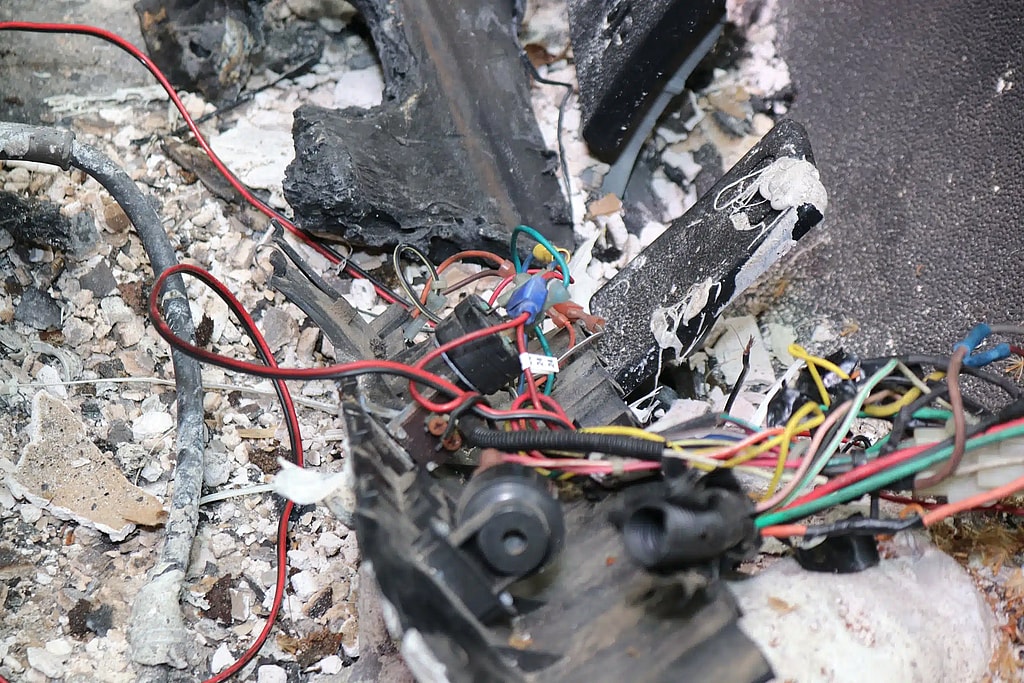
Origin and Cause Investigations

Residential Fire Investigation
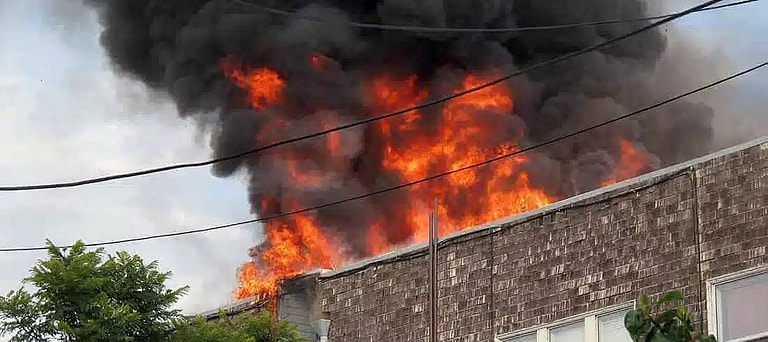
Commercial Fire Investigation

Electrical Fires
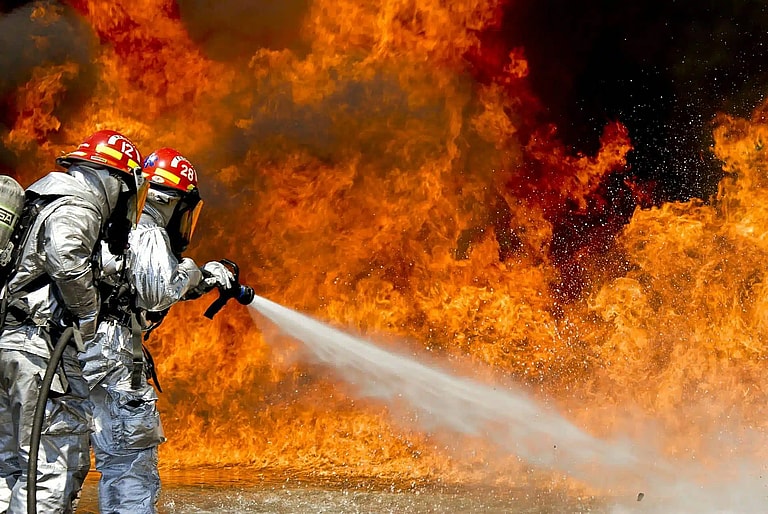
Industrial Fire Investigation

Vehicle Fire Investigation

Electric Vehicle Fire Investigation
Residential Energy Storage System Fire Investigation
Finding the Origin and Cause of a Fire
A fire and explosion investigation determines where a fire started (its origin) and what caused it: the ignition source, the first fuel ignited and the circumstances that brought them together. Those answers decide whether a loss was accidental, whether a product, an installation or another party was responsible, and whether an insurer has a An insurer’s right, after paying a claim, to recover the payment from the party responsible for the loss, such as a manufacturer, an installer or a contractor.See the glossary claim. Dreiym Engineering investigates residential, commercial, industrial and vehicle fires and explosions for insurers, adjusters, attorneys and property owners.
Our investigations follow a systematic approach consistent with NFPA 921, Guide for Fire and Explosion Investigations, 2024 editionThe reference most fire investigators follow. It is a guide, not a code. It lays out a systematic approach based on the scientific method: gather data, form hypotheses about origin and cause, and test each against the evidence.Plain-language summary, not the standard’s wording.See the glossary, Guide for Fire and Explosion Investigations, which is based on the scientific method. We collect data at the scene and from records, develop hypotheses about the Origin is where the fire started. Cause is the ignition source, the first fuel ignited and the circumstances that brought them together. NFPA 921 classifies a cause as accidental, natural, incendiary or undetermined.See the glossary, test each one against the physical evidence, and set aside those the evidence doesn’t support. Evidence is examined at our engineering lab in Coldspring, Texas.
New to fire investigation? Our fire investigation guide puts our articles, explainers and services in the order to read them.
Submit an assignment or contact us for a free quote. We typically respond within one business day.
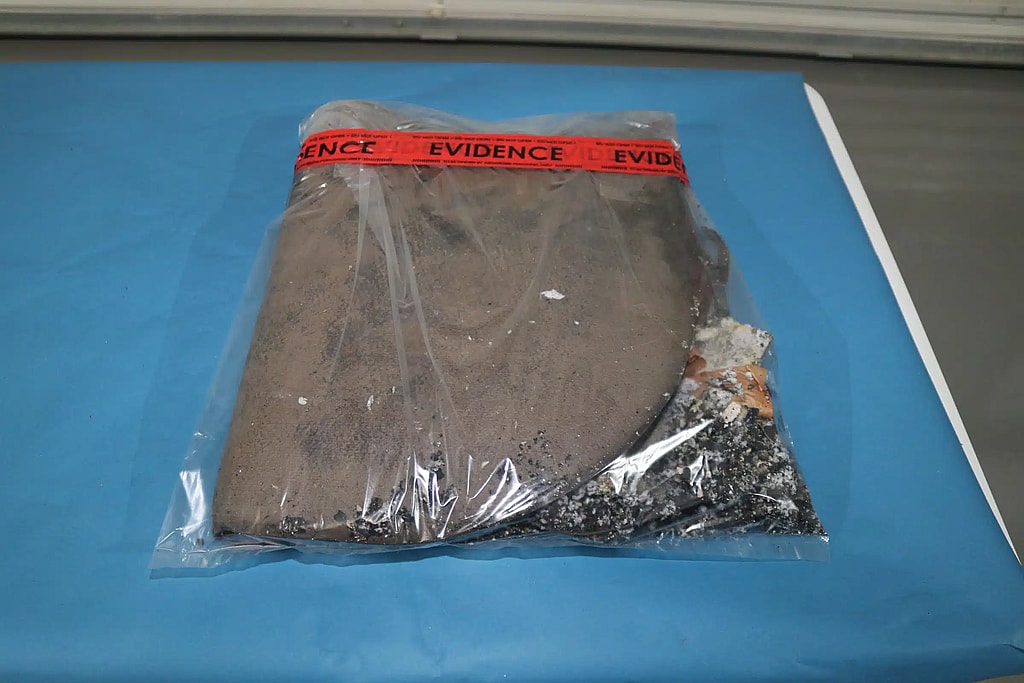
Get in Touch
Submit an assignment to get started.
Fire scenes change quickly. Debris is removed, buildings are secured or demolished, power is restored and damaged items are thrown away. We get to the scene as soon as possible to photograph and document it as it was found, before anything is moved, and to identify potential subrogation parties while the evidence is still in place. That documentation supports later subrogation and litigation.
What to do first after a fire or explosion
- Keep the scene secured, and don’t start cleanup, demolition or repairs until it has been examined.
- Leave appliances, panels, wiring, equipment and vehicles in the burned area where they are, and leave breakers and switches as they were found. If power has to be disconnected for safety, record who did it and how.
- Notify interested parties, such as other insurers, manufacturers, contractors, landlords or tenants, before evidence is moved, so they have the chance to attend. This helps avoid The loss, destruction or alteration of evidence before every interested party could examine it. Courts can sanction it, which is why the scene is documented first and other parties are notified before evidence is moved.See the glossary disputes later.
- Keep records that may matter: photos and video, alarm and camera footage, maintenance and repair records, and recall notices.
Bringing us in on a fire or explosion case
- We put licensed Professional Engineers in charge of our fire and explosion investigations. Dreiym Engineering is Texas Registered Engineering Firm F-16324, and our licensed Professional Engineers have active and past licensure in multiple states.
- Before you assign the file, you can request current CVs and our rate schedule.
- Evidence collected at the scene is kept in video-monitored storage and examined at our engineering lab in Coldspring, Texas.
- For subrogation and litigation, our engineers write the expert reports and testify in depositions and at trial as needed. We also accept consulting-only (non-testifying) retentions.
- Submit an assignment and we’ll confirm when we can get to your site.
For homeowners and adjusters, we’ve written guides on electric heater fire risks and computer and PC fires, and we’ve written up one of our cases, a post-fire electrical origin investigation.
Electrical Ignition Sources
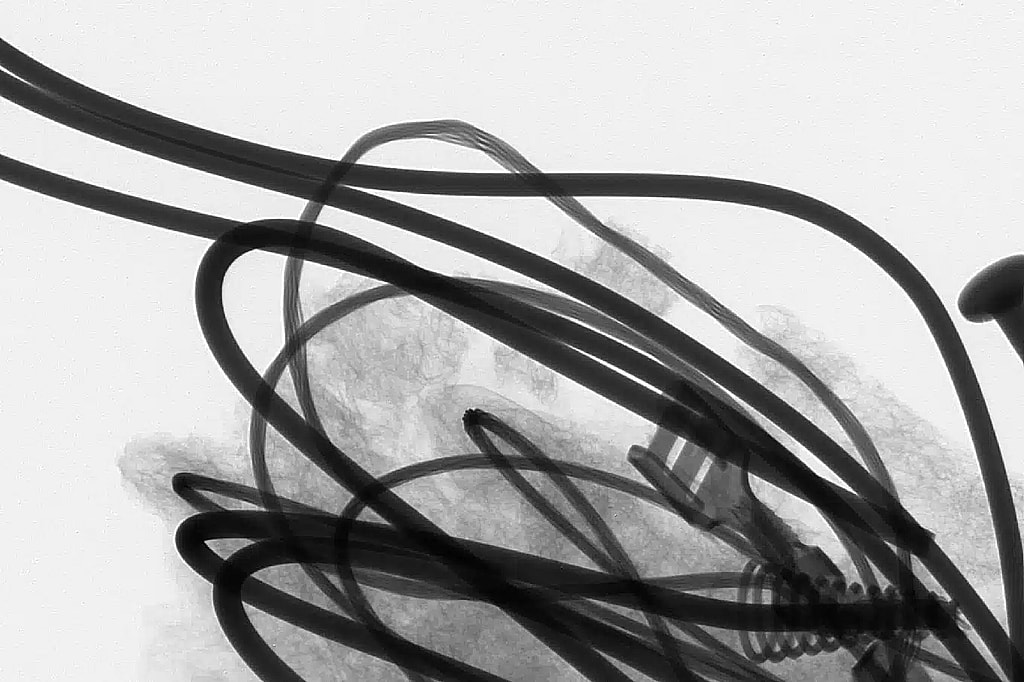
For most residential and commercial fires, we send an electrical engineer to evaluate the potential electrical ignition sources in the area of origin: the service and panels, branch circuits, receptacles and switches, cords and appliances. Locating and plotting every arc site on the circuits in a burned area. Once an arc severs a conductor, the circuit beyond it goes dead, so the arc site farthest along a circuit is usually the earliest. That helps narrow the area of origin.See the glossary, which records where energized conductors arced during the fire, can help confirm or narrow the area of origin. Arcing is often a result of the fire rather than its cause, so the arc sites are read together with the The marks a fire leaves, such as char depth, smoke lines and V-shaped patterns on walls. Investigators read them to trace how the fire spread back toward where it started.See the glossary and the rest of the evidence.
For the electrical side of a fire, from arc mapping to the lab X-ray, see our page on electrical fire investigation.
Mechanical and fuel gas sources are evaluated with the associated engineers we work with. Our page on residential electrical fire investigation covers the electrical side in more detail.
Appliance Fires
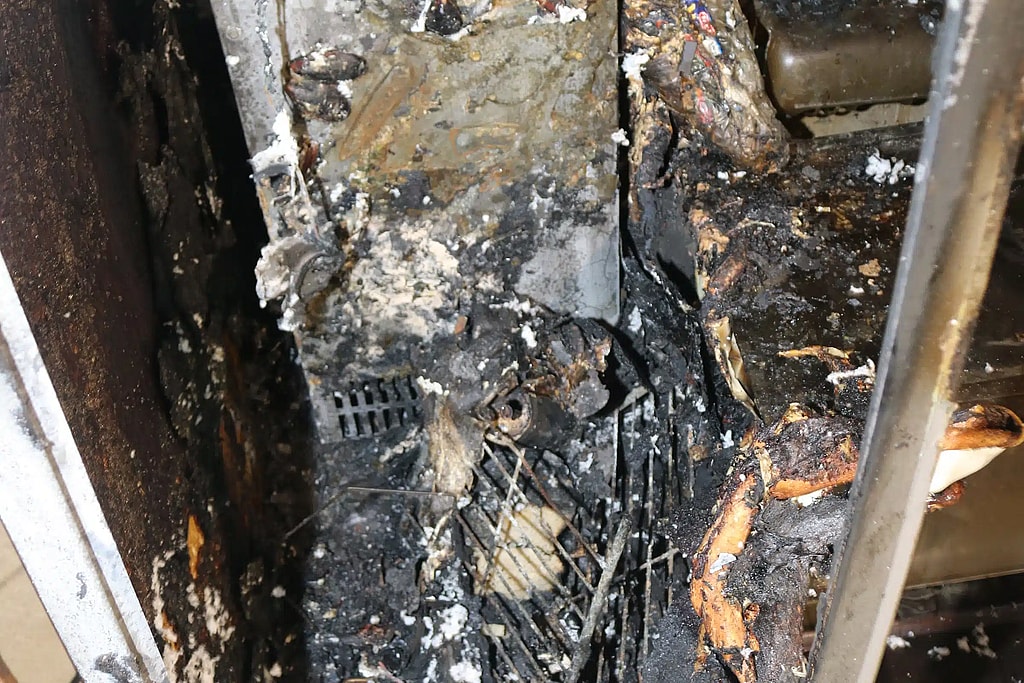
Appliances and other products are frequent subjects of fire investigations: dryers, space heaters, refrigerators, chargers, computers and power tools. When an appliance is in the area of origin, the question is whether it failed and started the fire, or was damaged by a fire that started elsewhere. We collect the appliance, its cord and the receptacle or circuit that supplied it, examine them at our engineering lab in Coldspring, Texas, and look for evidence of a design or manufacturing defect, improper installation or misuse.
Destructive examination waits until the manufacturer and the other interested parties have had the chance to attend. See appliance failure analysis, or contact us to get started.
Explosion Investigations of Any Type
An explosion investigation answers the same questions as a fire investigation, and a few of its own: what kind of explosion it was, what fuel or stored energy was released, what confined it, what ignited it, and how the damage points back to where it began. NFPA 921 has a chapter on explosions that sets out this approach. We investigate explosions of every common type.
Gas and vapor explosions
Natural gas, propane and the vapors of gasoline, solvents and other flammable liquids. The questions are where the fuel came from, how it moved and collected (natural gas is lighter than air and tends to rise, while propane and most flammable vapors are heavier and collect low), whether enough of it mixed with air to burn, and what ignited it. Fuel gas piping, regulators and appliances are evaluated with the associated engineers we work with.
Combustible dust explosions
Dusts of grain, sugar, wood, plastics, metals and many other materials can explode when a cloud of fine particles is dispersed in air inside an enclosure and ignited. A small first explosion often shakes settled dust off beams and ledges and feeds a larger secondary explosion. NFPA 660, Standard for Combustible Dusts and Particulate Solids (2025 edition), now brings together the earlier dust standards, including NFPA 61, NFPA 652 and NFPA 654. The edition that matters for a loss is the one adopted where and when it happened.
Pressure vessel, boiler and BLEVE failures
Not every explosion involves combustion. A boiler, air receiver, compressed gas cylinder or other pressure vessel can burst when its pressure exceeds what the shell can hold, or when corrosion or overheating has weakened it. A BLEVE (boiling liquid expanding vapor explosion) happens when a container of liquid held above its normal boiling point, such as a propane tank heated by a fire, fails and the liquid flashes to vapor. The examination covers the controls and pressure relief devices, the operating records, the fracture surfaces and the condition of the metal.
For the mechanical side, see our mechanical investigation services. Metal that failed from corrosion is examined as part of our forensic corrosion engineering.
Battery and electrical equipment explosions
An arc fault inside switchgear, a panelboard or a motor control center heats the air and vaporizes metal so quickly that the pressure wave, called arc blast, can blow doors open and throw parts. A fault inside an oil-filled transformer breaks the oil down into gas and can rupture the tank. A lithium-ion battery in thermal runaway releases flammable gases that can collect in an enclosure or a room and explode. Our electrical engineers examine the equipment, its protection and its maintenance history to find where the fault began and why it was not cleared sooner.
We cover the electrical side in more detail on our electrical failure analysis page, in our article on what engineers look for after a transformer failure and in our explainer on what happens during an arc flash.
How an explosion investigation works
- The scene is documented before it changes: the damage, the debris field, and how far and in which direction walls, windows and objects were moved. Those directions point back toward the area where the explosion began.
- The damage is read the way NFPA 921 describes. A slow pressure rise tends to push walls out and lift roofs, while a fast one tends to shatter them, and the kind of damage helps identify the kind of explosion.
- Every credible ignition source in the area where the fuel could have been is listed, from pilot lights, motors and switches to static discharges and hot work, and each one is tested against the evidence and the timing. A source is never named only because the others were ruled out.
- Equipment that remains is tested in place where possible, including the continuity and resistance of bonding and grounding.
- Switches, controls, relays, regulators and other artifacts are examined at our engineering lab in Coldspring, Texas, with real-time X-ray before disassembly, once the interested parties have had the chance to attend.
- The report states the type of explosion, the fuel, the ignition source and the basis for each conclusion, or explains why a question could not be answered.
Ignition by Electricity and Static Electricity
Many explosions come down to one question: what supplied the ignition energy? Mixtures of flammable gas or vapor with air can be ignited by very little energy, about 0.25 mJ for propane and 0.28 mJ for methane, the main part of natural gas, so a small spark is enough. Electrical and electrostatic sources are often the hardest to prove or to rule out, and they are a focus of our explosion work.
Electrical equipment as an ignition source
Switches, relays, contactors, motors and failed wiring produce arcs and hot surfaces. Where a flammable atmosphere can be present in normal operation or after a leak, the National Electrical Code® (NFPA 70®) treats the area as a hazardous (classified) location, and Articles 500 to 506 set the rules for the equipment and wiring used there. NFPA 497 and NFPA 499 describe how such areas are classified. We check whether the area was classified correctly, whether the equipment was suitable for that classification and in good condition, and whether seals and enclosures were maintained.
One of our project write-ups describes a heat trace and classified area wiring review at a power plant.
Static electricity
Static charge is generated whenever materials separate: liquids flowing through pipes, hoses and filters, powders moving through ducts and chutes, belts running over pulleys, and people walking or taking off a jacket. It becomes dangerous when it accumulates, usually on a conductor that is not bonded or grounded, such as a metal drum, a funnel, a hose fitting, a vehicle on rubber tires or a person in insulating footwear, or on an insulating material such as a plastic container or liner. Once the voltage is high enough, the charge discharges, and the type of discharge decides what it can ignite:
- Spark discharges between conductors release almost all the stored energy, half the capacitance times the voltage squared. A person, at roughly 100 to 300 pF, charged to 10 kV stores about 5 to 15 mJ, far more than most gases and vapors need.
- Brush discharges from charged insulating surfaces release at most about 4 mJ. They can ignite flammable gases and vapors, but there is no evidence that they ignite dust clouds on their own.
- Propagating brush discharges from thin insulating layers, such as plastic linings and coatings, can release far more energy and can ignite gases, vapors and dusts.
- Cone discharges across the surface of powder heaps in silos and bins can ignite some dusts. Corona discharges are usually too weak to ignite anything but very sensitive gases such as hydrogen.
The investigation compares the type and energy of the discharge that could have occurred with the minimum ignition energy of the material involved, and confirms that a flammable mixture was present at that place and time. NFPA 77, Recommended Practice on Static Electricity (2024 edition), is the main US reference for these hazards and how they are controlled.
Testing bonding and grounding
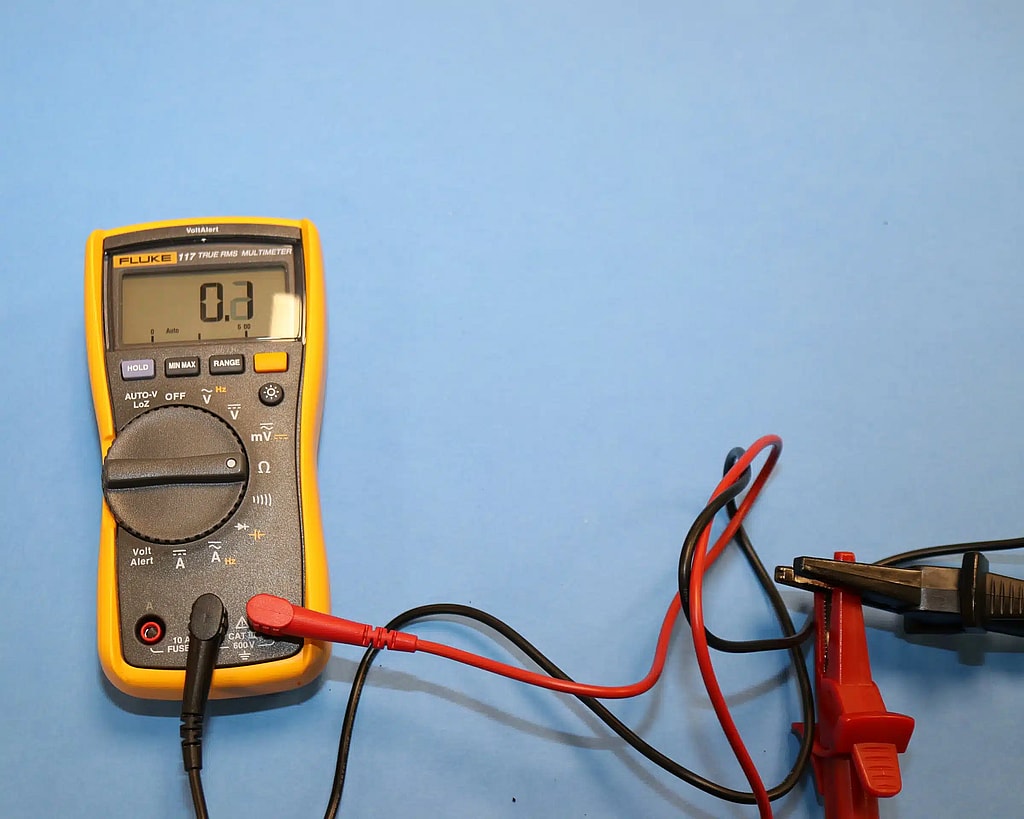
Bonding connects conductive parts so they stay at the same voltage, and grounding connects them to earth so the charge drains away. After an explosion we test the continuity and resistance of the bonding and grounding paths that remain: piping, vessels, hoses, clamps and cables, filters, drums and the ground connections used for trucks and railcars. NFPA 77 notes that all-metal bonding paths typically measure no more than about 10 ohms for copper wire or 25 ohms for stainless steel and other metals, so a much higher reading usually points to a loose, corroded or missing connection. Where they matter, we also measure hoses, liners, footwear and floors, and we reconstruct the process, such as the flow rate, the filters and how a container was filled, to judge whether enough charge could build up.
For the field testing itself, see our ground testing and commissioning services and our article on how grounding electrodes and bonding systems are tested.
Who we work for
We investigate explosions for insurers and adjusters weighing subrogation, for attorneys who need a testifying or consulting-only expert, and for plant owners and operators who need to know what happened so it does not happen again. Industrial losses are also covered under industrial fire and explosion investigation.
Questions of static electricity and electrical ignition are reviewed by Brian J. Brackensick, M.S., P.E., whose profile lists his background.
Submit an assignment or contact us for a free quote. We typically respond within one business day.
Who Investigates Your Loss
Our fire investigations are led by licensed Professional Engineers with active and past licensure in multiple states. Brian J. Brackensick, M.S., P.E. and Stepan V. Eero, M.S., P.E. are NAFI Certified Fire and Explosion Investigators (Certified Fire and Explosion Investigator, a certification from the National Association of Fire Investigators (NAFI). Candidates qualify through training and experience and pass an exam based on NFPA 921 and NFPA 1033.See the glossary) and Certified Vehicle Fire Investigators (Certified Vehicle Fire Investigator, a NAFI certification for investigating fires in cars, trucks and heavy equipment. Candidates qualify through training and experience and pass an exam.See the glossary).
Our memberships include NFPA and the International Association of Arson Investigators (IAAI). We work for insurers, adjusters, subrogation counsel, attorneys and property owners.
When you contact us, you talk directly with an engineer who can discuss your loss. Our offices are in Coldspring, Texas and Westcliffe, Colorado, and we work nationwide. Reports are PE-stamped where required, and we also accept consulting-only (non-testifying) retentions.
Submit an assignment or contact us for a free quote. We typically respond within one business day.
How we investigate
How a fire investigation reaches a finding
NFPA 921 applies the scientific method to fire and explosion investigations. Here is each step as we work it, and how the evidence travels from the scene to our lab.
Step 1 of 8
Recognize the need
A fire or explosion has caused a loss, and someone needs to know where it started and why: an insurer weighing subrogation, an attorney, an owner or a manufacturer. The assignment sets out the questions to answer.
- Claim or file number, loss date and location
- Origin, cause and the questions specific to this loss
- Testifying or consulting-only retention
This step produces The questions in writing and a named engineer
Step 2 of 8
Define the problem
We work out how the questions can be answered: what the scene examination needs, which records and witnesses to seek, and who must be told so that interested parties can attend before anything is moved or altered.
- Scope of the scene examination
- Records and witnesses to seek
- Notice to interested parties
This step produces A plan for the scene and notice to the other parties
Step 3 of 8
Collect data
Facts come from the scene and from people: fire patterns, char and burn depth, arc mapping of branch circuits, measurements, photographs and 3D capture, along with witness accounts and records. Artifacts are collected with their positions recorded.
- Fire patterns and arc mapping
- Photographs, measurements and 3D capture
- Witness accounts and records
This step produces Scene documentation and an evidence list
Step 4 of 8
Analyze the data
Every piece of data is weighed against fire science and engineering: heat transfer, fire dynamics and the building’s electrical system. Artifacts are X-rayed in real time before disassembly, then examined under the microscope and compared with exemplars.
- Fire dynamics and heat transfer
- Real-time X-ray before disassembly
- Microscope and exemplar comparison
This step produces Radiographs, photographs and examination notes
Step 5 of 8
Develop hypotheses
From the analyzed data, the investigator forms hypotheses for the area of origin and for each credible ignition source in it: the source, the first fuel it ignited and what brought the two together.
- Area of origin
- Every credible ignition source in that area
- Ignition source, first fuel and circumstances
This step produces A list of hypotheses to test
Step 6 of 8
Test the hypotheses
Each hypothesis is tested against all the facts and the science, by reasoning and, where it helps, by experiment. A hypothesis that conflicts with reliable data is revised or discarded, and the work returns to the data. A cause is never chosen only because the others were ruled out.
- Tested against every fact, not a selection
- Exemplar tests and calculations where they help
- Alternatives kept open until the data decide
This step produces Test results and the reasoning behind them
Step 7 of 8
Select the final hypothesis
The hypothesis that survives testing becomes the conclusion, stated with the confidence the data support. When none survives, the cause is reported as undetermined, and the report explains why.
- One explanation consistent with all the data
- Stated with its level of certainty
- Undetermined when the data do not decide
This step produces The finding and its basis
Step 8 of 8
Report the findings
The report gives the origin, the cause and the basis for each conclusion, with photographs, diagrams and lab results, written for adjusters, attorneys and courts. Consulting-only (non-testifying) retentions are accepted.
- Origin, cause and the basis for each
- Photographs, diagrams and lab results
- Testimony when retained to testify
This step produces A report, PE-stamped where required
- 01TagEach artifact gets its own tag: item number, where it was found, who collected it and when.
- 02Sealed containerPacked and sealed at the scene, so the seal shows whether it has been opened since.
- 03Storage logLogged into video-monitored evidence storage. Every transfer is signed and dated.
- 04Lab check-inChecked in to the lab under the custody record. Interested parties are notified so they can attend the examination.
- 05Real-time X-rayRadiographed in real time before disassembly, so the inside is on record before anyone opens it.
- 06Return or disposalHeld until the client instructs: returned, released to another party or disposed of, and the record closed.
Timeline analysis Illustrative
Line up the clocks
A fire leaves traces in records that were never meant to agree: the alarm panel, the camera recorder, the phone carrier and the smart meter. Two of them keep their own time. Line those clocks up on an event several of the records saw and the order of events can change, along with what it seems to say.
Its power loss is 9 min 06 s after the meter’s.
Its power loss is 4 min 12 s before the meter’s.
Arrow keys move a clock by one second, Page Up and Page Down by one minute. You can also drag a lane sideways.
As these clocks read, the one power loss shows up at three different times, 13 min 18 s apart, and the smoke alarm comes 2 min 41 s after the power loss. Correct the alarm panel and camera clocks until their power loss sits on the meter’s line.
- Smoke alarm
- 2 min 41 s after the power loss
- 911 call
- 3 min 40 s before the power loss
- Three records of the power loss
- 13 min 18 s apart
Every event, in corrected order
| Corrected time | Record | Event | Time on its own clock |
|---|---|---|---|
| 02:09:20 | Camera recorder | Haze first visible on the storage room camera | 02:09:20 |
| 02:16:18 | Camera recorder | Recording stops as the power is lost | 02:16:18 |
| 02:16:50 | Phone call log | Night guard calls 911 | 02:16:50 |
| 02:20:30 | Smart meter event log | Loss of voltage, all phases | 02:20:30 |
| 02:23:11 | Fire alarm panel log | Smoke detector, storage room: alarm | 02:23:11 |
| 02:29:36 | Fire alarm panel log | AC power lost, panel on battery | 02:29:36 |
Why the clocks disagree
Alarm panels and camera recorders keep time on their own. They are set by hand when they are installed, drift a little every week, and often miss the change to or from daylight saving time. Smart meters and phone carriers usually take their time from a network, but their records are often kept in UTC or standard time; converted to local time, they make the better reference.
How we line them up
We look for one event that several records saw at the same moment, such as the power going off: the alarm panel logs it, the camera recorder stops, and the meter records it. The difference in their times, after allowing for how each device logs the event (a panel’s delay before it reports AC loss, a recorder’s write buffer, how a meter stamps an outage), is each clock’s error. We note every correction and the event it rests on, so anyone can check it.
What the order can and cannot show
A corrected timeline shows what came first, not why. Lined up, these records read: haze on the camera at 02:13:32, the smoke alarm at 02:14:05, the 911 call at 02:16:50, and the power lost at 02:20:30. The cause is still a question for the scene and the lab.
Frequently Asked Questions
What does a fire investigation determine?
The origin, which is where the fire started, and the cause: the ignition source, the first fuel ignited and the circumstances that brought them together. NFPA 921 classifies the cause as accidental, natural, incendiary or undetermined. For an insurer or attorney, the next question is usually whether a product, an installation or another party was responsible, which is where engineering analysis comes in.
What is NFPA 921?
NFPA 921, Guide for Fire and Explosion Investigations, is published by the National Fire Protection Association. It describes a systematic approach to investigating fires and explosions based on the scientific method and is widely used as the reference for how an investigation should be done. It is a guide, not a code. Our investigations follow a method consistent with it.
Do you investigate explosions?
Yes. An explosion investigation establishes what kind of explosion it was, such as a fuel gas or vapor explosion, a combustible dust explosion or the mechanical failure of a pressure vessel, what fuel or energy was involved, what ignited it, and how the damage pattern points back to the origin. See industrial fire investigation.
Can static electricity cause an explosion?
Yes, when three things come together: a flammable gas, vapor or dust cloud in the right concentration, enough charge built up on an ungrounded conductor, an insulating surface or a person, and a discharge of a type and energy able to ignite that material. An investigation checks each of the three against the evidence, and missing, broken or bypassed bonding and grounding are among the first things checked.
How do you test bonding and grounding after an explosion?
We measure the continuity and resistance of the bonding and grounding paths that remain, such as piping, hoses, clamps, cables and the connections of drums, trucks and railcars, and compare the readings with the guidance in NFPA 77. A metal path that reads well above 10 ohms usually has a loose, corroded or missing connection. Hoses, liners, footwear and flooring are measured separately, because the resistance expected of them is much higher.
Do you accept consulting-only retentions?
Yes. Attorneys can retain us as consulting (non-testifying) experts, and our engineers also write expert reports and testify at deposition and trial when a matter requires it. You can request CVs and our rate schedule before you assign the file.
Related Reading
- Fire Scene Evidence Preservation: A Checklist for Insurers and Attorneys
Fire scene evidence preservation after a loss: notice to interested parties, joint scene exams, labeling, chain of custody and lab exams.
- What You Need To Know About the Fire Investigation Process
The fire investigation process step by step: scene preservation, evidence collection, and how certified fire investigators find origin and cause.
- The Importance of Fire Dynamics in Fire Investigation
Fire dynamics, or how fires ignite, grow and spread, guides investigators to a fire's origin. How the fire tetrahedron and heat transfer shape findings.
- Minimizing Cognitive Bias in Fire Investigation Reports
How fire investigators limit cognitive bias in fire investigation: NFPA 921 methods, collecting all the evidence and testing every hypothesis.
Related Services
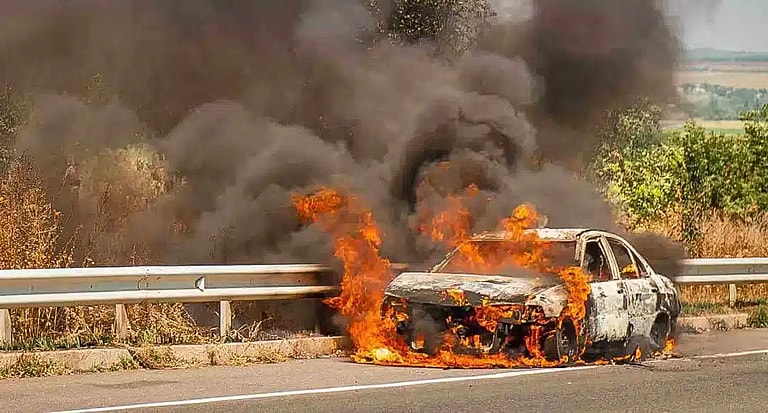
Vehicle Fire Investigation
Origin and cause of fires in cars, trucks, and heavy, farm and earthmoving equipment.

Residential Electrical
Investigation of house fires involving panels, wiring, receptacles and appliances.
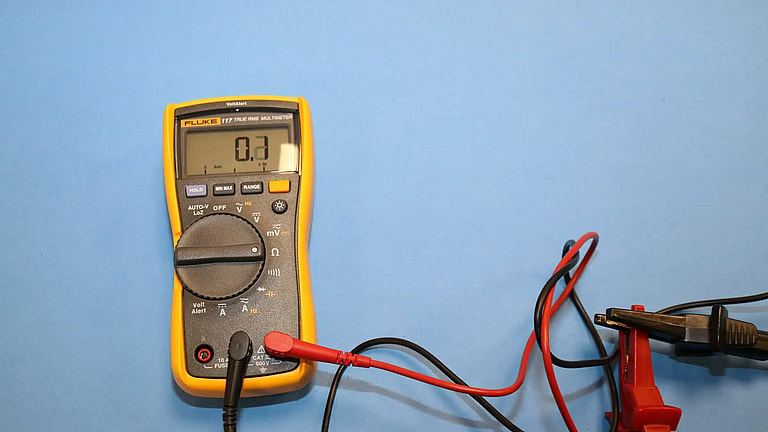
Appliance Failure
Failure analysis of HVAC equipment, dryers, refrigerators, heaters, chargers and other appliances.
Project experience
Related projects
South Texas
Restored SUV Engine Compartment Fire, South Texas
Origin and cause
East Texas
Rental Compact Track Loader Fire, East Texas
Equipment fire
North Texas
Refuse Truck Hopper Fire, North Texas
Vehicle fire
North Texas
Moving Truck Rear Brake Fire, North Texas
Vehicle fire
East Texas
Side by Side Utility Vehicle Fire, East Texas
Vehicle fire
West Texas
Two Fleet Truck Fires, West Texas
Vehicle fires
Have a loss to investigate?
We typically respond within one business day.