Consulting Areas
Electrical Failure Analysis
We typically respond within one business day.
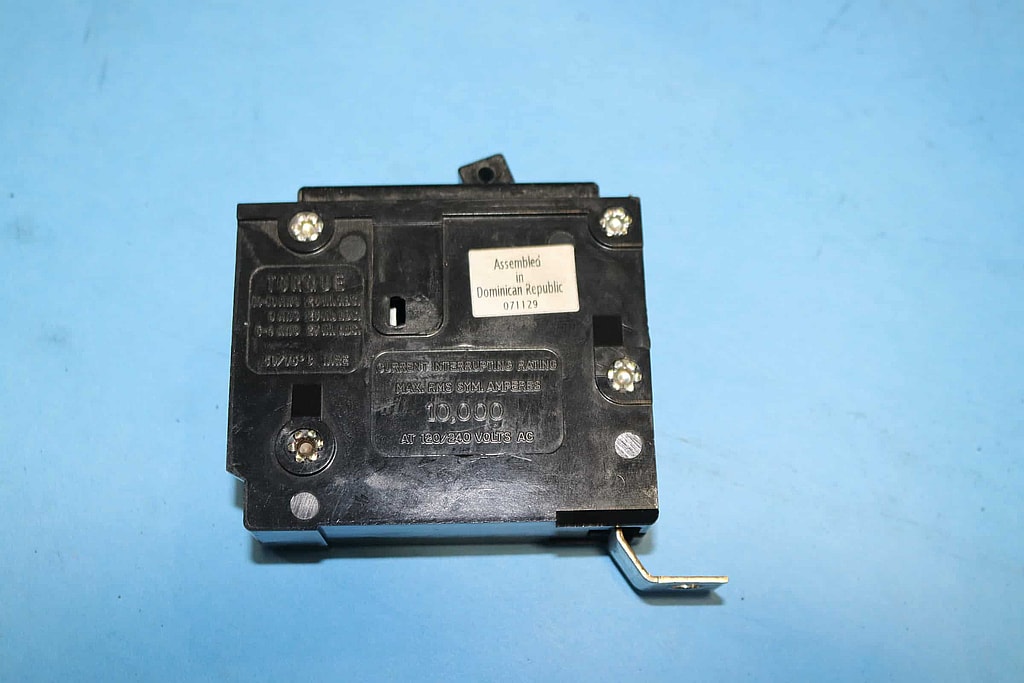
Electrical Equipment Failure Analysis
Electrical failure analysis determines why a piece of electrical equipment failed: what failed first, how it failed and what caused it. The answer shows whether the failure came from a defect in the product, the way it was installed or applied, the way it was maintained or operated, or an outside event such as a surge or water, and whether the equipment caused the loss or was damaged by it. That decides coverage questions, subrogation and liability, and what has to change before the equipment goes back in service.
Our licensed Professional Engineers perform electrical and equipment failure analysis for insurers, adjusters, attorneys and facility owners, on equipment from service entrances and switchgear to motors, controls and electronics. Failed components are kept in video-monitored storage and examined at our engineering lab in Coldspring, Texas. Electrical failure analysis is part of our forensic electrical engineering practice.
Submit an assignment or contact us for a free quote. We typically respond within one business day.
Get in Touch
Submit an assignment to get started.
Equipment we examine
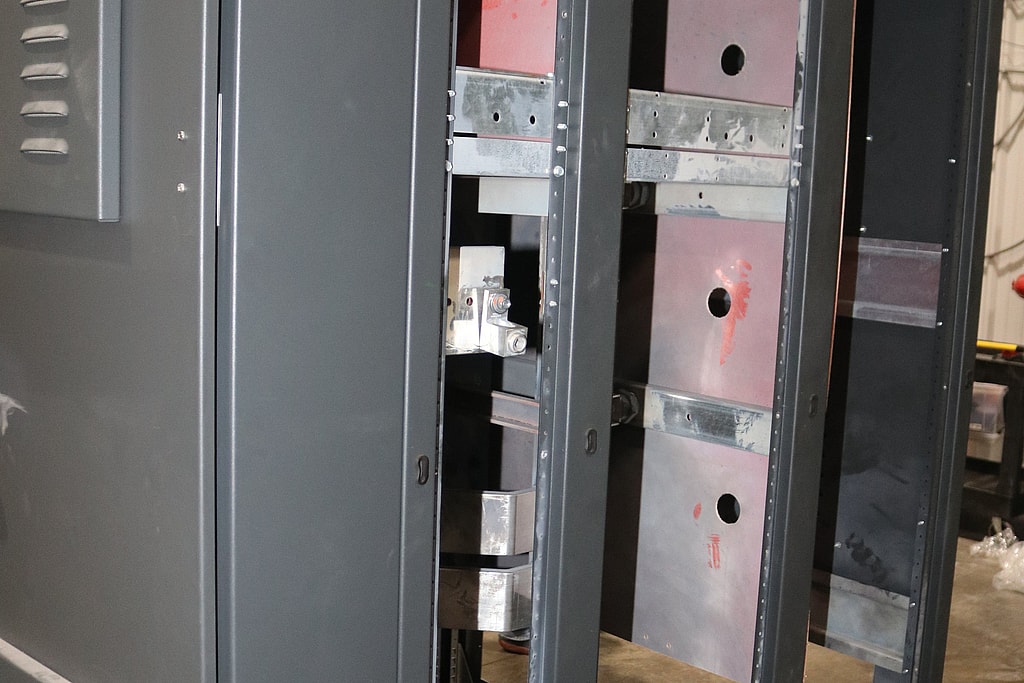
- Switchgear and panelboards: service equipment, switchboards, panelboards, bus and their connections.
- Circuit breakers, fuses and relays: the protective devices meant to clear a fault, and whether they did.
- Transformers: pole-mounted, pad-mounted and dry-type transformers, their windings, bushings and connections.
- Motors and drives: motors, variable frequency drives, starters and motor control centers.
- Cables and terminations: feeders, branch circuits, splices, lugs and terminations.
- Controls and electronics: control panels, relays and contactors, PLCs, circuit boards and power supplies.
- UPS and battery systems: uninterruptible power supplies, battery banks, chargers and their connections.
Appliances and consumer products are covered on our appliance failure investigation page, and damage blamed on lightning or a utility surge on our lightning damage investigation page. Our article on what engineers look for after a transformer failure covers one common case.
How electrical equipment fails
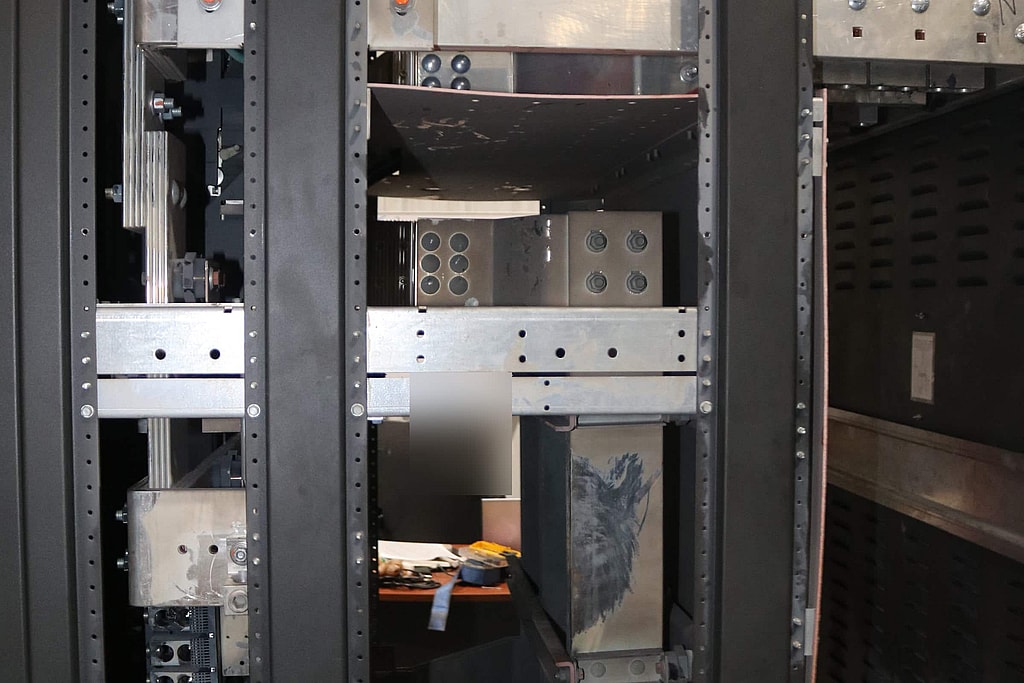
- Insulation breakdown: insulation weakened by age, heat, moisture, contamination or voltage stress until it can no longer withstand the voltage.
- Overheating and loose connections: a loose, corroded or undersized connection runs hot, and the heat damages the connection and the insulation around it.
- Overcurrent: an overload or a short circuit that carried more current than the conductors or the equipment were rated for, sometimes because a protective device didn’t operate.
- Arcing faults: current flowing through the air between conductors or to ground, which can destroy equipment, start fires and injure people nearby.
- Surges: overvoltages from lightning, utility switching or faults on the power system.
- Water and contamination: flooding, leaks, condensation, dust and conductive debris inside equipment.
- Manufacturing defects: a flaw built into a component or an assembly.
- Misapplication: equipment used outside its ratings, its listing or the environment it was designed for.
- Poor maintenance: loose connections that went unnoticed, dirty or wet equipment, and protective devices that were never tested.
Some of these problems show warning signs before the equipment fails, such as abnormal heat at a connection. Our infrared inspections look for that heat on equipment still in service. Our articles on dust, dirt and contamination and electrical failures after flooding or water intrusion cover two common causes.
Electrical Losses We Investigate
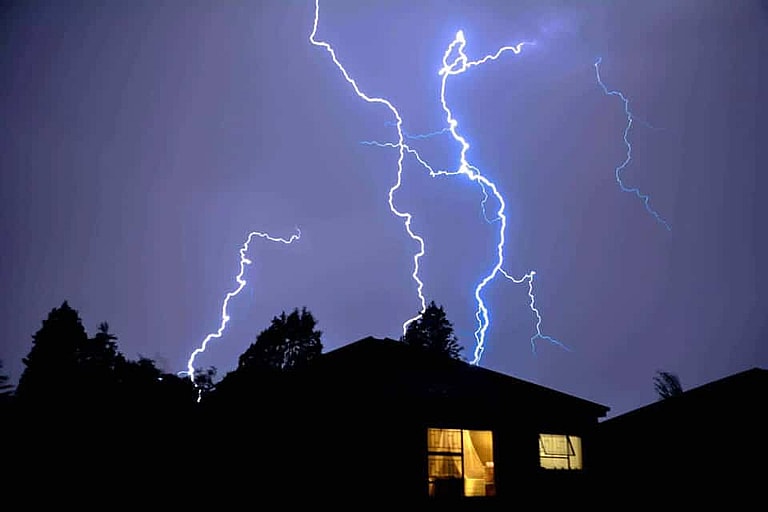
Lightning / Utility Surge Damage
Evaluation of lightning and power surge claims for damage to wiring and equipment.
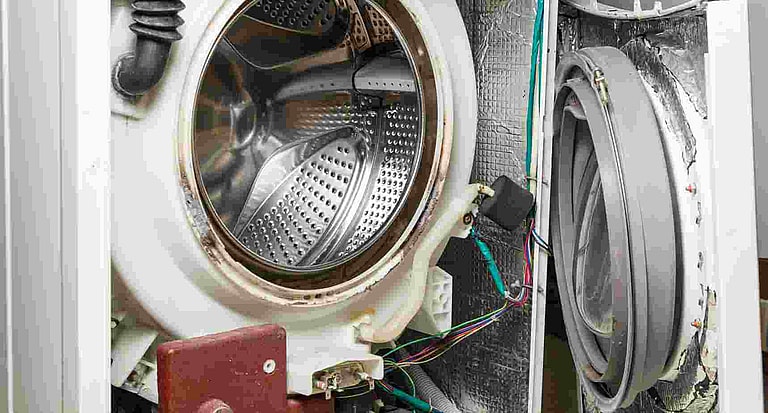
Household Appliance Failure
Failure analysis of HVAC equipment, dryers, refrigerators, heaters, chargers and other appliances.
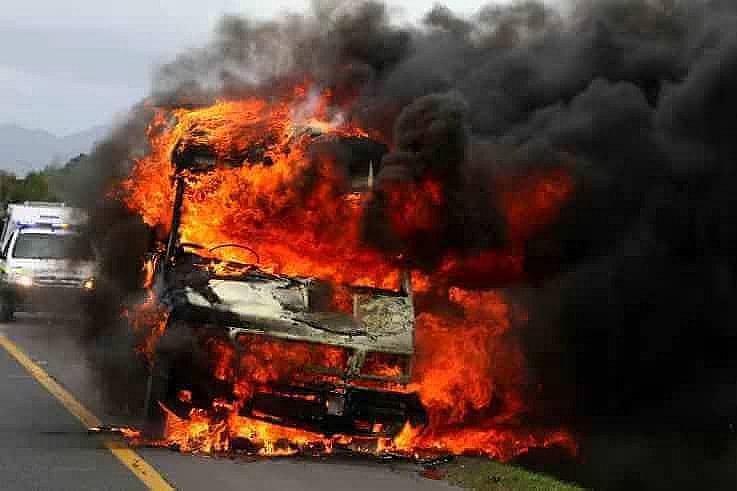
Vehicle Electrical Systems
Origin and cause of vehicle and heavy equipment fires, including failures in the electrical system.
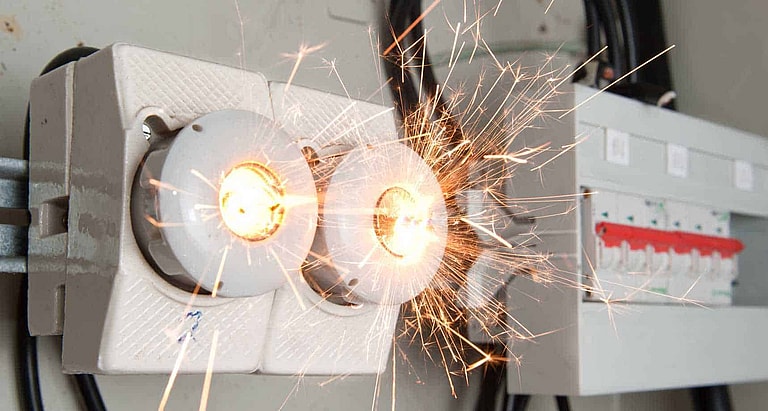
Residential Electrical Systems
Investigation of house fires involving panels, wiring, receptacles and appliances.
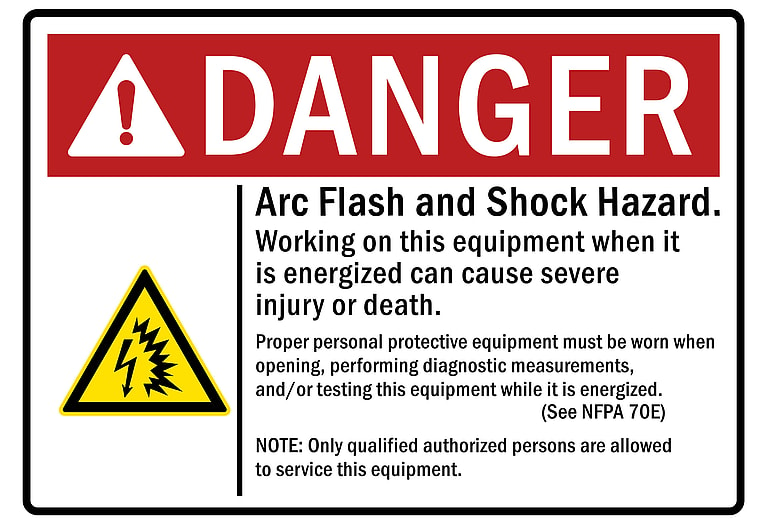
Shock / Electrocution / Arc Flash Injury
Forensic analysis of electrical injuries, including shock, electrocution and arc flash burns.
How We Analyze an Electrical Failure
- Document it as found. We get to the site as soon as possible, before equipment is reset, repaired, re-energized or thrown away, and record the equipment, its nameplate data, the circuit it was on and the conditions around it.
- Check how the protective devices operated. Which breaker, fuse or relay operated, which didn’t, and whether their ratings and settings suited the equipment they protected. Breaker positions, relay targets, trip indicators and event records are documented before anything is reset.
- Examine and test without changing the evidence. We start with external examination, photographs, measurements and the records, and components can be X-rayed in-house at our Coldspring lab before anything is taken apart. Where grounding or bonding is in question, we check it; our article on fall of potential vs. point-to-point ground testing explains what each grounding test can and can’t prove. Destructive steps wait until the interested parties have had the chance to attend, and joint lab examinations are arranged when other parties need to attend.
- Compare it with an exemplar. An undamaged unit of the same make and model, or undamaged parts of the same equipment, shows how the failed parts should look and work.
- Find the root cause. First the physical cause of the failure, then why it happened: a defect, the installation, the application, maintenance, operation or an outside event. Each explanation is tested against the evidence.
- Report. A written report, PE-stamped where required, that states what we examined, what we found and the basis for each opinion.
Product, installation or maintenance
Most electrical failure analyses come down to who is responsible. A manufacturing defect points to the manufacturer. Equipment that was wired wrong, undersized, misapplied or installed in the wrong environment points to the installer, the designer or whoever specified it. A failure that grew over years of heat, dirt, moisture or loose connections points to maintenance. A failure can involve more than one of these, and an outside event, such as lightning, a utility surge or water, can damage equipment that was sound. The evidence has to show which ones apply.
Our project pages describe recloser, transformer and heavy-equipment fire investigations in Alabama and electrical failure and fire origin investigations in Louisiana. When an electrical failure may have caused a fire, the investigation also covers the area of origin. Brian J. Brackensick, M.S., P.E. and Stepan V. Eero, M.S., P.E. are NAFI Certified Fire and Explosion Investigators (CFEI).
Our engineers write expert reports and testify in depositions and at trial.
Current CVs and our rate schedule are available on request.
When you contact us, you talk directly with an engineer who can discuss your loss. Our offices are in Coldspring, Texas and Westcliffe, Colorado, and we work nationwide. Reports are PE-stamped where required, and we also accept consulting-only (non-testifying) retentions.
Submit an assignment or contact us for a free quote. We typically respond within one business day.
Lab Methods and What We Deliver
Failed equipment from our investigations comes to our engineering lab in Coldspring, Texas. Each item is logged and documented when it arrives and kept in video-monitored storage, and its chain of custody is documented while it is in our care.
Lab methods
- Photography and microscope examination: items are photographed as received and at each step, and small parts are examined and photographed under a lab microscope.
- Real-time X-ray: breakers, fuses, connectors, controls and circuit boards are imaged before anything is opened, so every party sees the same internal condition. See also X-ray services.
- Exemplar comparison: an undamaged unit of the same make and model shows how the failed parts should look and work.
- Testing: when a question calls for a test, the lab supports test setups, including tests monitored over several days, with infrared imaging, video recording and data capture. Motor drives and power quality can be measured with our analyzers.
- Joint examinations: disassembly and other destructive steps follow a protocol agreed with the interested parties, who are invited to attend.
- 3D records: equipment rooms and scenes can be recorded with laser scanning and Matterport® capture, so they can be measured later. See 3D space capture.
What we deliver to attorneys and insurers
- A written report: what we examined, what we found and the basis for each opinion, PE-stamped where required.
- The record behind it: photographs, X-ray images and test data, and video and 3D scans where they were made. Results of the non-destructive steps are shared with the interested parties.
- Evidence handling: a documented chain of custody while items are in our care, and release only on instruction.
- Guidance on preservation: what to keep, how to keep it and whom to notify before equipment is moved, repaired or taken apart.
- Testimony: our engineers explain their findings in depositions and at trial when the case calls for it, or work as consulting-only (non-testifying) experts.
For the equipment in the lab and a 3D tour, see the engineering lab.
Frequently Asked Questions
What is electrical failure analysis?
It is the investigation of why electrical equipment failed: what failed first, how and why. It combines the conditions at the site, the operation of the protective devices, the equipment’s records and a close examination of the failed parts, often compared with an exemplar, to find the root cause and whether the failure caused the loss or resulted from it.
Can we reset breakers or restore power before the equipment is examined?
Safety comes first, and some equipment has to be made safe or isolated soon after a failure. Beyond that, record which breakers and relays operated before anything is reset, photograph the equipment before it is moved, and keep the failed parts, including anything removed during repairs. Notify the manufacturer, the installer and the other interested parties before the equipment is taken apart, so they have the chance to attend.
The breaker didn’t trip. Does that mean it was defective?
Not necessarily. A breaker may not trip because the fault current was too low for it to respond to, because its rating or setting didn’t suit the circuit, or because it failed. Some failures, such as a loose connection that overheats, may never draw enough current to trip a standard breaker. The investigation checks the device’s rating, settings and condition against the fault it should have cleared.
How do you tell a manufacturing defect from an installation or maintenance problem?
By the evidence at the point of failure. A defect shows up as a flaw in the part itself, often confirmed by comparison with an exemplar of the same make and model. Installation problems show up as wiring errors, wrong ratings or equipment used outside its listing or environment. Maintenance problems tend to show long-term heat, dirt, moisture or loose connections. Sometimes more than one applies.
Related Reading
- Electrical Failure Analysis: What You Need to Know
What is electrical failure analysis? It finds the root cause of outages, equipment damage and fires. Common failure types and how engineers trace them.
- How Arc Flashes Relate to In-Depth Electrical Failure Analysis and Inspections
Arc flash failure analysis: what causes an arc flash, the damage these events create, and how forensic analysis and prevention keep your facility safe.
- 3 Common Myths About Arc Mapping Forensics
Arc mapping helps fire investigators narrow a fire's area of origin, but myths persist. We debunk 3 common misconceptions about arc mapping forensics.
- Integrating PD Detection in High Voltage Gear After Fire Exposure
PD detection, or partial discharge testing, after fire exposure finds hidden insulation damage in high voltage gear before it is re-energized.
Related Services
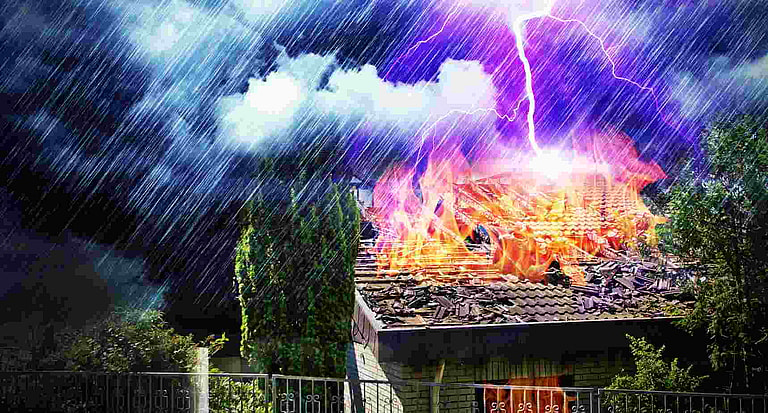
Lightning / Surge Damage
Evaluation of lightning and power surge claims for damage to wiring and equipment.
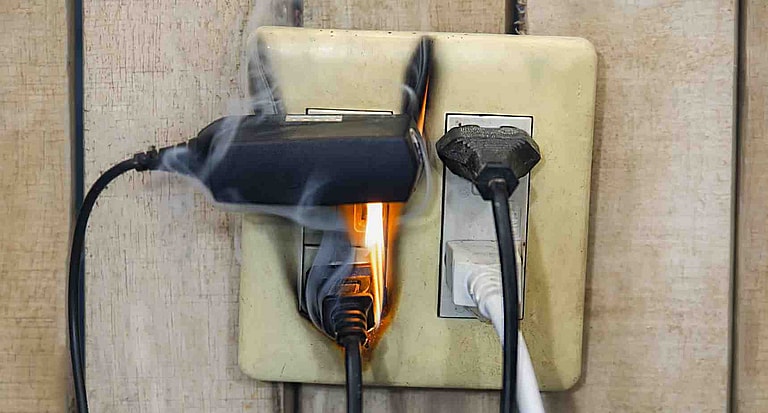
Residential Electrical
Investigation of house fires involving panels, wiring, receptacles and appliances.
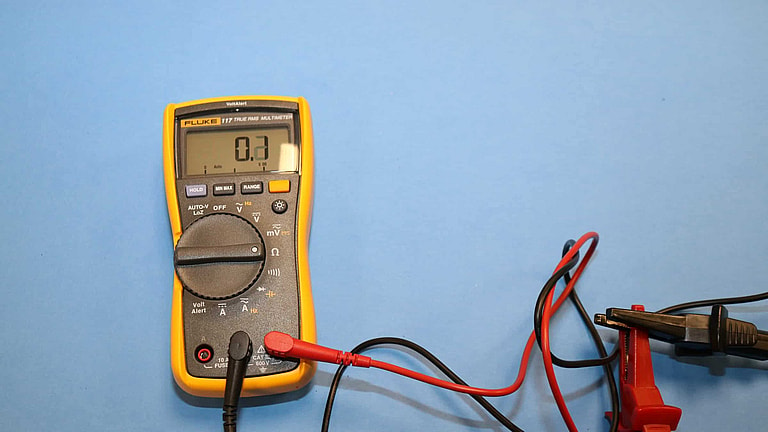
Appliance Failure
Failure analysis of HVAC equipment, dryers, refrigerators, heaters, chargers and other appliances.
Project experience
Related projects
Alabama
Alabama Utility Equipment Failure Investigations
Failure analysis
New Orleans, LA
Aerial-Lift Evaluation, New Orleans
Equipment evaluation
Hawaii
Underground Cable Failures at an Energy Site, Hawaii
Cable failure analysis
North Dakota and Texas
Bench Examinations of a Burned Control Panel and Two Breakers
Component examination
Central Texas
Wheel Loader Rear Camera Failures, Central Texas
Equipment failure analysis
West Texas
RV Park Underground Cable Failures, West Texas
Electrical failure analysis
Have a loss to investigate?
We typically respond within one business day.