Ways to Reduce Arc Flash Incidents
Reduce arc flash incidents by lowering fault current, training workers, and maintaining equipment, then verify safety with a professional arc flash study.
Reach out to Dreiym Engineering for any Corrosion, Electrical or Forensic Questions.
Contents
Arc flash is one of the leading causes of fires in industrial settings. It is also one of the potentially most disastrous. Arc flash can lead to major explosions where molten metal shrapnel can fly through the air, causing immeasurable damage to the space and even injuring or killing workers. Arc flash is the result of an electrical current passing through the air with not enough insulation between electrified conductors to hold the amount of voltage present. Arc flash can potentially lead to fires, flying objects, potentially life-threatening injuries, and large amounts of property damage. Arc flash is most often caused by human error, although there are instances when it is caused by environmental issues or equipment failure. Most of the causes are preventable and can be closely monitored. Check out this guide below on the most effective ways to reduce arc flash incidents at your job site.
Key takeaways
- Arc flash is one of the leading causes of fires in industrial settings and can throw molten metal through the air.
- The most reliable way to prevent an arc flash injury is to remove the hazard by putting equipment in an electrically safe work condition before work begins.
- Most arc flash incidents involve human error, so train workers and provide proper PPE.
- Reducing the available fault current, cleaning and servicing equipment, using arc-resistant equipment and labeling equipment all lower the risk.
Related project: Four-Area Plant Arc Flash Studies, Grapeland
Establish an Electrically Safe Work Condition
The most reliable way to prevent an arc flash injury is to remove the hazard before work begins. NFPA 70E® makes hazard elimination the first priority, and in practice that means putting equipment in an electrically safe work condition: identify every source of supply, open the disconnecting devices, verify that the load-side blades are fully open where you can see them, apply lockout/tagout devices, release stored energy, and test for absence of voltage at the work location with an adequately rated tester. Work on energized equipment is justified only when de-energizing would create a greater hazard or is infeasible, and it then requires an energized work permit, an arc flash risk assessment and the right PPE.
Reduce the available fault current
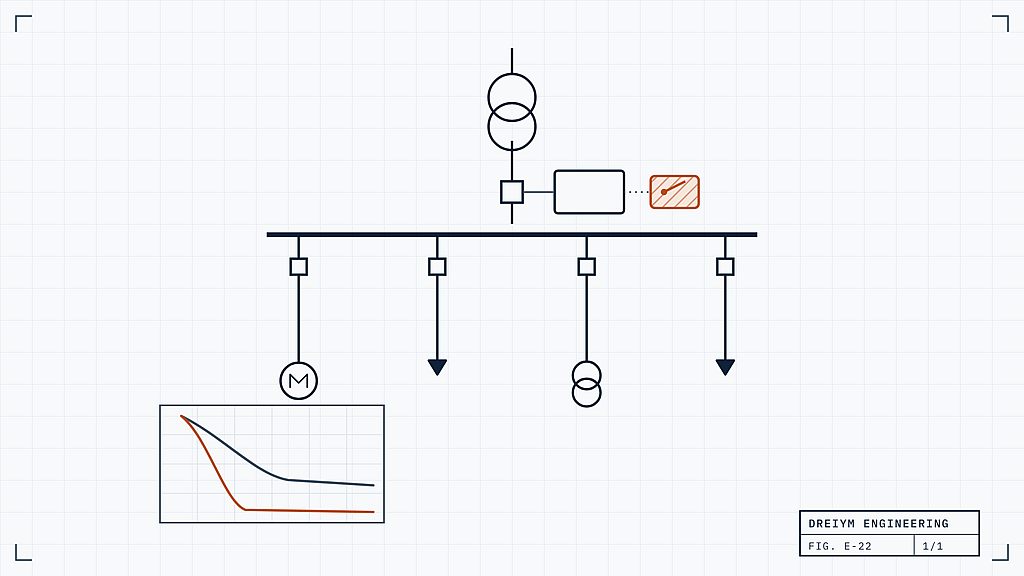
An electrical fault current is the current that flows through a circuit that is considered to be an abnormal current. Electrical fault currents are what cause arc flash when they flow through the air between two live conductors. This is called a short circuit and can result in arc flash energy because it typically results in a much larger current than the one that typically flows in non-fault conditions. Reducing the available fault current cuts down on the size of the fault current when it occurs, limiting the possibility of arc flash. There are a few methods to reduce the amount of fault current in facilities and sites using non-current limiting breakers (NCLBs). The facilities can use open tie operations during maintenance, use high-resistance grounding systems so there is a proven path for ground current that can help limit ground-fault current, and employ current-limiting reactors that reduce the available short circuit current. Reducing available fault current does not by itself reduce arc-flash incident energy. Incident energy is a function of arcing current, arc duration and working distance. Added source impedance (a current-limiting reactor, a higher-impedance transformer or open-tie operation) lowers the arcing current while potentially moving the upstream protective device onto a much slower part of its time-current curve, so the longer clearing time can increase incident energy rather than reduce it. Every fault-current reduction measure must therefore be re-modeled per IEEE® Std 1584-2018, using the clearing times that result, before it is relied on as arc-flash mitigation. The measures that reliably lower incident energy are those that shorten clearing time, including instantaneous and maintenance-switch settings, arc energy reduction protection under NEC® 240.87, and remote or robotic operation, which also increases working distance. To compare clearing times for one piece of equipment, try our arc flash calculator.
Train workers
Most arc flash incidents involve human error during work on or near energized equipment. Most of these errors can be reduced or even eradicated by providing workers with proper training in their area and in general safety. Many human error causes of arc flash could be prevented by providing training and safety gear. When workers don’t fully understand the potential repercussions of cutting corners or not double-checking their work, they are more likely to make mistakes. Encourage workers to double-check their work every time, especially with electrical work. Providing regular training and reminding employees that even seemingly simple mistakes can lead to arc flash can greatly reduce your facility’s risk. Many times, the most experienced workers end up making mistakes that lead to arc flash because of their confidence and experience; thus, reminding them to lead the newer workers by example and always double-check their work is a great way to increase the attention to detail in a crew. Hosting monthly refreshers and offering access to ongoing safety courses is a great way to encourage employee safety and help workers to take ownership of their work.
Provide Proper Personal Protection Equipment
Provide all your workers with proper personal protection equipment (PPE). It helps to protect sensitive bodily areas from harm in the event of arc flash. Below are the different PPE items you should ensure each worker has access to and utilizes correctly.
- Eye protection
- Face shields
- Goggles
- Flame-resistant clothing
All PPE worn by employees should be arc-rated (AR) and possess the ability to resist high temperatures.
Clean and service equipment
When dust and debris accumulate at a work site or facility, which is only natural over time, the environment becomes more prone to electrical current interruptions. Cleaning and dusting your work site frequently can help reduce the risk of arc flash. Dust and debris build-up commonly happens on large machinery, which is why it’s extra important to pay attention to the heavy machinery and large pieces of equipment. These machines and pieces of equipment most likely use a great amount of electricity or even operate in areas where electrical work is being completed, making it even more crucial they are cleaned.
Another way to reduce arc flash incidents at a facility or job site is by regularly servicing the larger machinery and pieces of equipment. When large machinery is functioning improperly, it can malfunction and cause arc flash in the facility. All machines and pieces of equipment should be given regular servicing, especially those that function in areas where electrical work is done, as these pose an increased risk. When there is less dust and debris present, there is a reduced chance of arc flash occurring.
Use Arc-Resistant Equipment
Arc-resistant equipment can keep your employees and facility safe in the event of an arc flash. Arc-resistant equipment traps electrical energy and sends it outside of a building via ducts and vents. While it doesn’t necessarily stop an arc flash from happening, it does prevent most of the damage associated with arc flashes.
Label Your Equipment
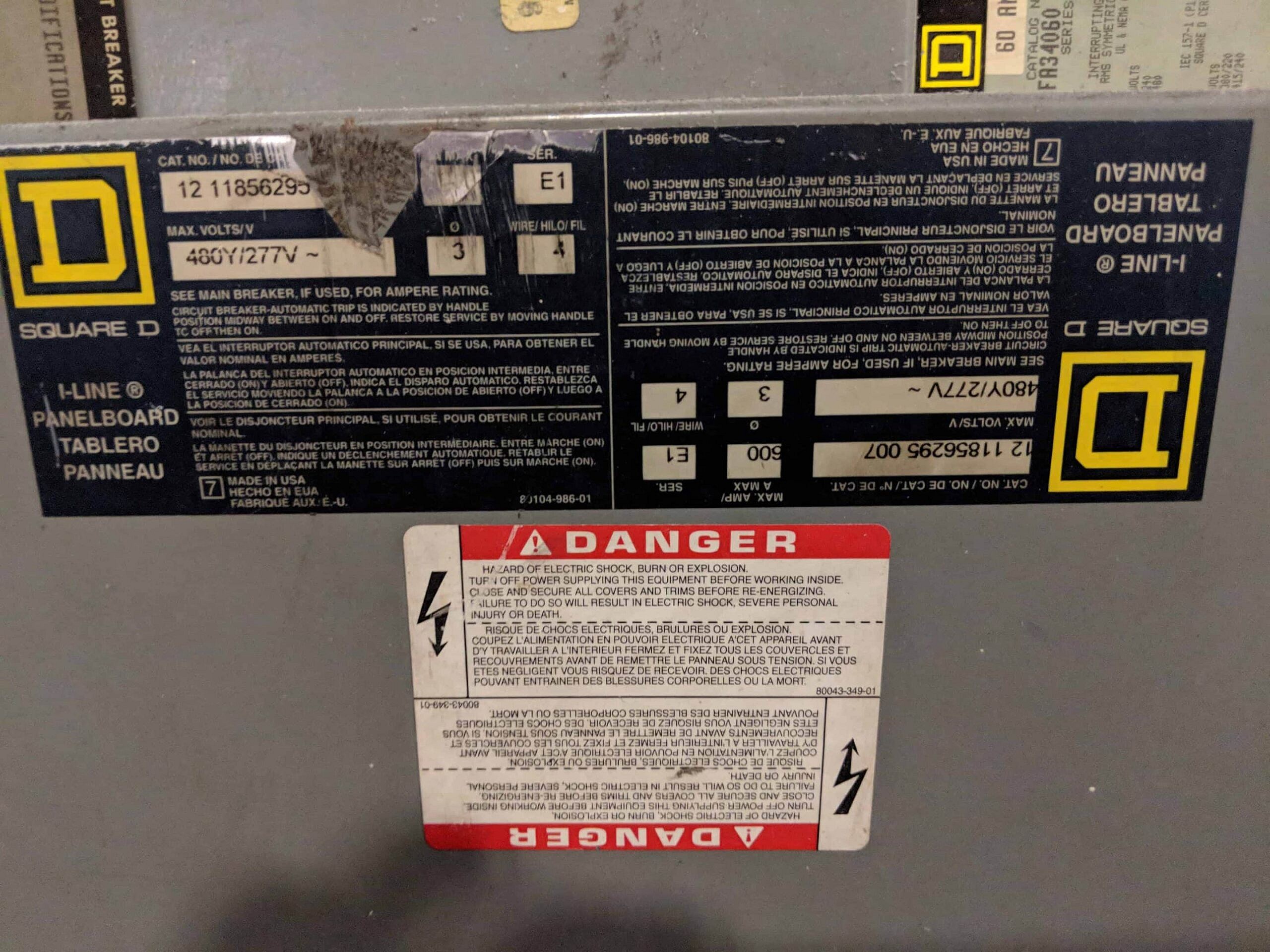
This is a quick and simple preventative measure to take against arc flash. By labeling any devices that could potentially cause an arc flash, like panelboards, switchboards, and transformers, you’re telling your employees where hazards exist. NFPA 70E®, the national standard for electrical safety in the workplace, outlines the information these labels should display.
Most arc flashes are the result of human error. When employees know that a device is potentially hazardous, they tend to be more alert around it, which can prevent mistakes that could lead to an arc flash.
Employ arc flash consultants
Arc flash consultants are the best option when you want to reduce arc flash incidents at your facility or job site. Arc flash puts the health and safety of workers at risk, in addition to putting industrial equipment at risk as well. An experienced arc flash consultant can find the hazards at your facility or job site and help keep the company compliant with OSHA. OSHA sets strict guidelines when it comes to mitigating arc flash risks, with NFPA 70E® serving as the consensus standard for arc flash safety. An arc flash consultant will help you understand the current risk of arc flash at your facility or job site and conduct tests so you know how much electricity workers could be exposed to in a worst-case scenario. An arc flash assessment typically consists of a detailed site walk-down, software of your choice to find potential options for electrical power system analysis, an electrical coordination analysis to check site safety, a short circuit analysis, an arc flash analysis report, and arc flash labels. Investing in arc flash consultants for your facility is an investment in both your workers and your business. A safe and productive work environment is key to a successful business.
For all of your facility and job site concerns regarding arc flash, consider a well-trained and highly experienced arc flash consultant or arc flash study from Dreiym Engineering, one of the leading electrical consulting companies. Our experienced team of arc flash consultants can conduct the necessary tests to help your business ensure its workers’ and equipment’s safety by identifying and reducing the risk of arc flash at your facility. A safer and more productive work environment starts with an arc flash consultation that provides your company with a deeper understanding of the specific arc flash risk at the facility and comes up with the best prevention methods possible.
