5 Silent Signs of Major Electrical Problems in Your Home
Flickering lights, hot outlets and burning odors are silent signs of electrical problems in your home. What to watch for and when to call an engineer.
Reach out to Dreiym Engineering for any Corrosion, Electrical or Forensic Questions.
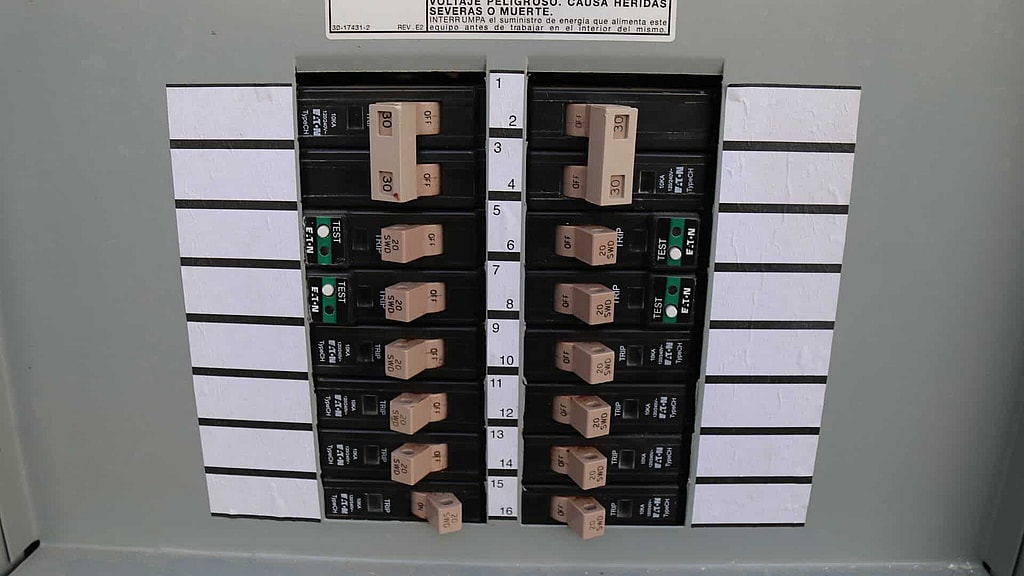
Electrical problems in your home can be tedious to deal with. Faulty power can disrupt regular household tasks, such as preparing food or washing clothes.
But residential electricity issues can be more than inconvenient. They can be dangerous, leading to the increased risk of electrocution, house fires, and even arc flashes. That’s why, as homeowners, it’s essential to recognize these silent signs of major electrical problems in your home.
Flickering Lights
The most obvious signs of electrical issues in a home are the visual ones. A common example is your lights flickering without any other reason, such as extreme weather or old bulbs.
Keep in mind that a single flickering light in the house likely only indicates problems with that particular feature, not overall electrical problems. If you notice the lights throughout the home flickering, this suggests problems with the electricity in the home.
Hot Outlet
A receptacle or switch that is warm to the touch with nothing plugged into it is almost always a high-resistance connection: a loose terminal screw, a failed push-in (back-stab) connection, a dissimilar-metal splice, or corrosion. It carries current for other devices downstream on the same circuit. A connection like that can develop into a glowing connection that reaches temperatures capable of igniting the device, the box and the framing around it while drawing current far below the breaker’s trip threshold, which is why the overcurrent device offers no protection against it and why electrical failures are so frequently the cause of house fires. A short circuit is a different failure: it draws current far above the circuit rating, and the breaker or fuse clears it in a fraction of a second. Turn the circuit off at the panel, leave it off, and have a qualified electrician find and repair the connection.
Related service
Studies modeled in ETAP® and SKM, field testing and electrical design by licensed PEs.
Noticeable Odors
In some cases, you can detect that a system is overheating without touching the outlets. When the system overheats enough, it begins to burn the wire’s insulation and other things in the immediate area. A burning smell is a sign to take immediate action. Otherwise, you increase the risk of a fire.
Another odor you should be aware of is a musky or ammonia-like scent. This may be an indication of a rodent infestation in the home. While not directly related to electrical problems, rodents are known to chew through wiring and can lead to problems down the line.
Loose Outlets
An outlet becoming loose in the walls may not seem like a cause for concern. It may be a problem with the plate itself, but in some cases, it can show there is a problem with loose wiring. Leaving the outlet loose can increase the risk of fire.
Electrical Shocks
We often experience minor electrical shocks around the house during particularly dry weather through static electricity. However, you shouldn’t experience a shock when you plug in or unplug items from an outlet. This is usually a tell-tale sign that there is something wrong with a home’s electrical work.
If you have noticed any of these signs in your home, it’s crucial to take action to protect your home from danger. Contacting a residential electrical engineer from Dreiym Engineering will help you identify and correct electrical issues before they become serious.